
Last updated November 22, 2026
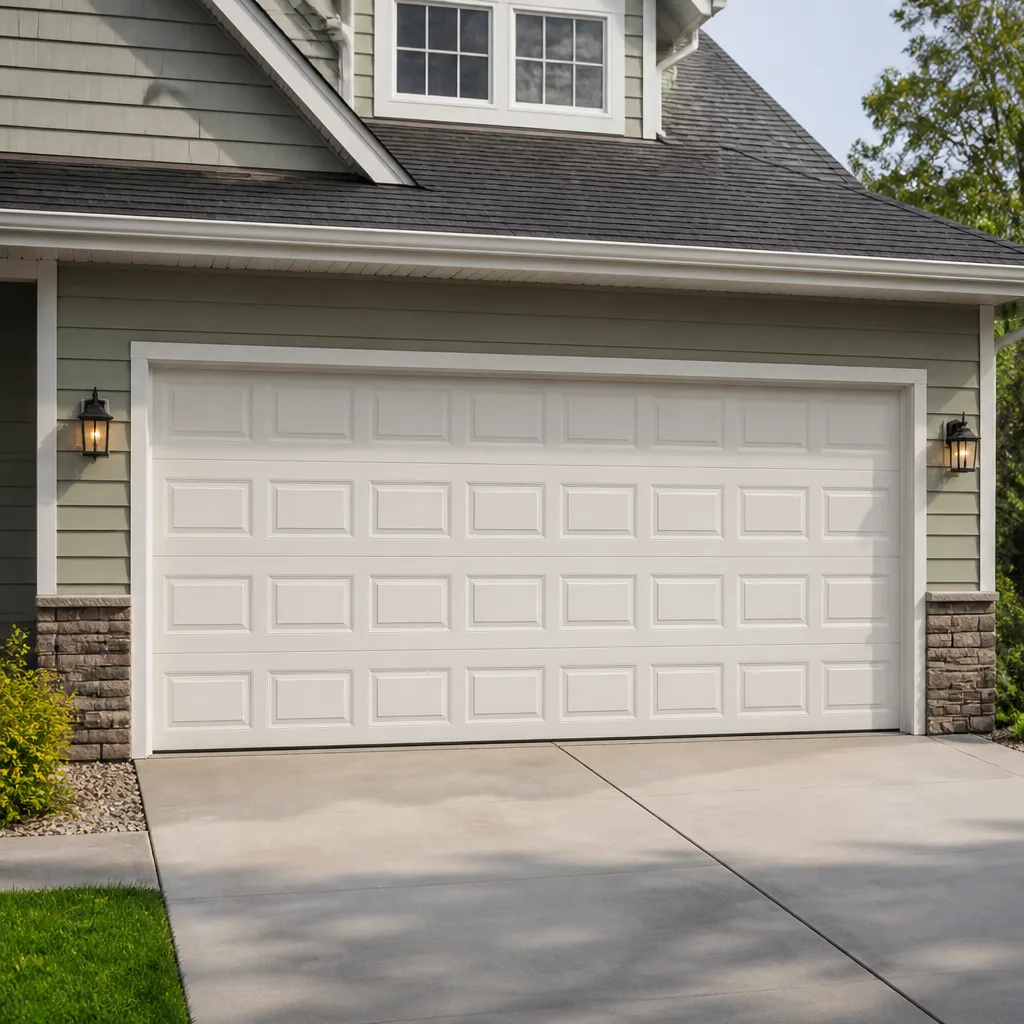 Raised-panel steel
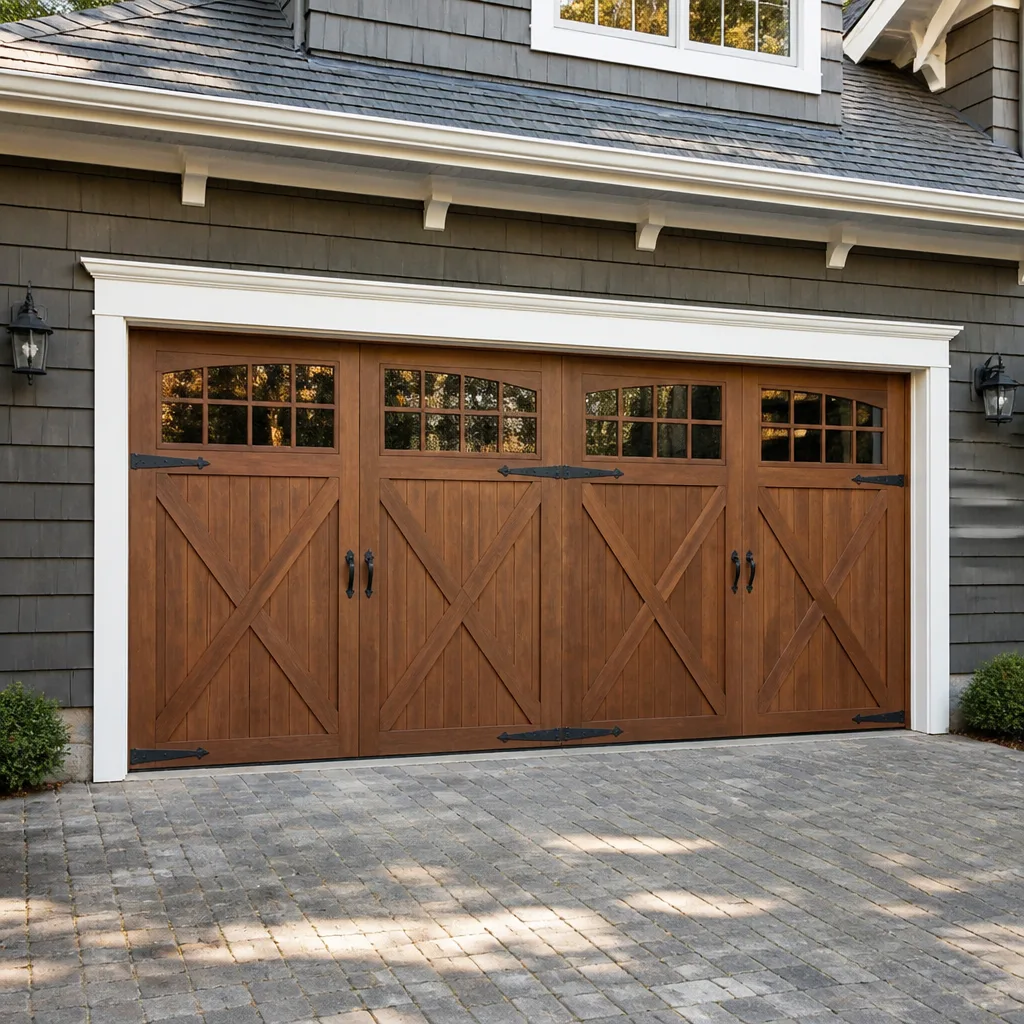 Carriage house
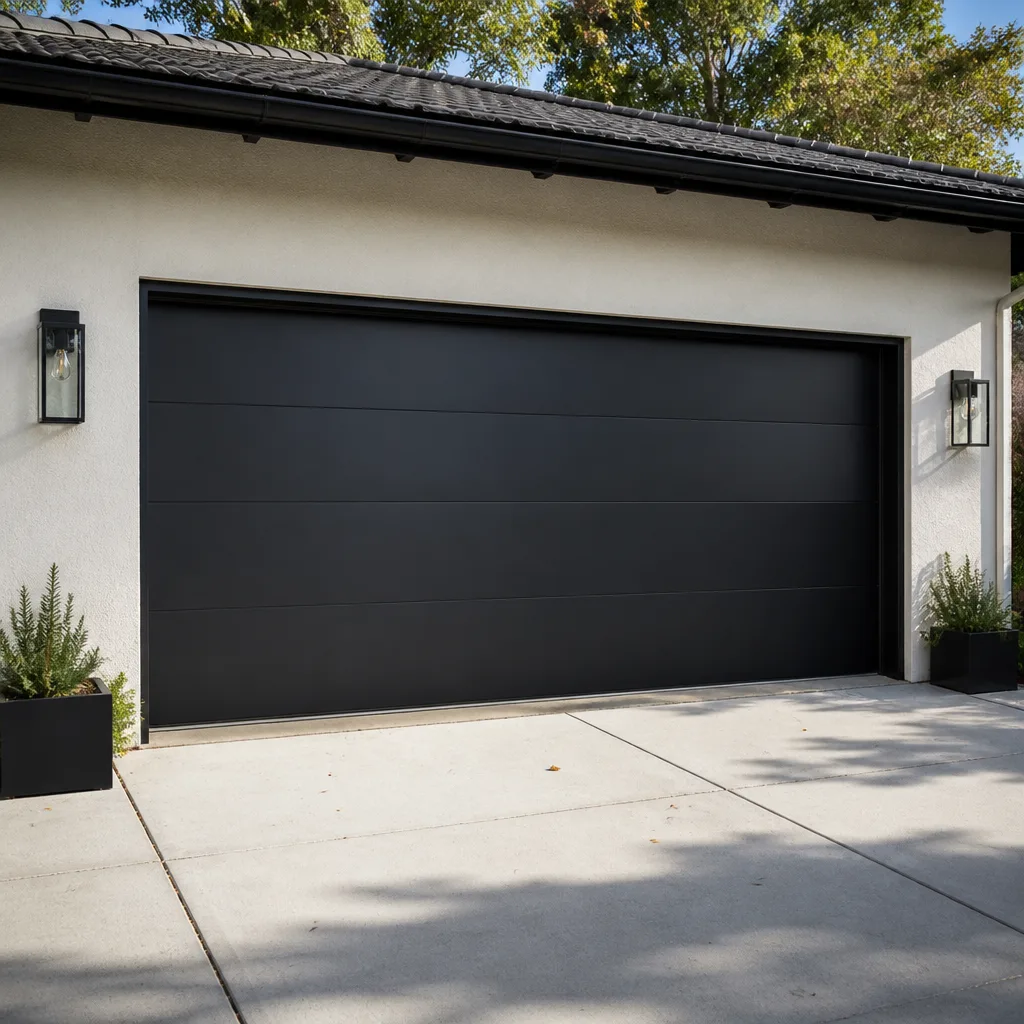 Modern flush
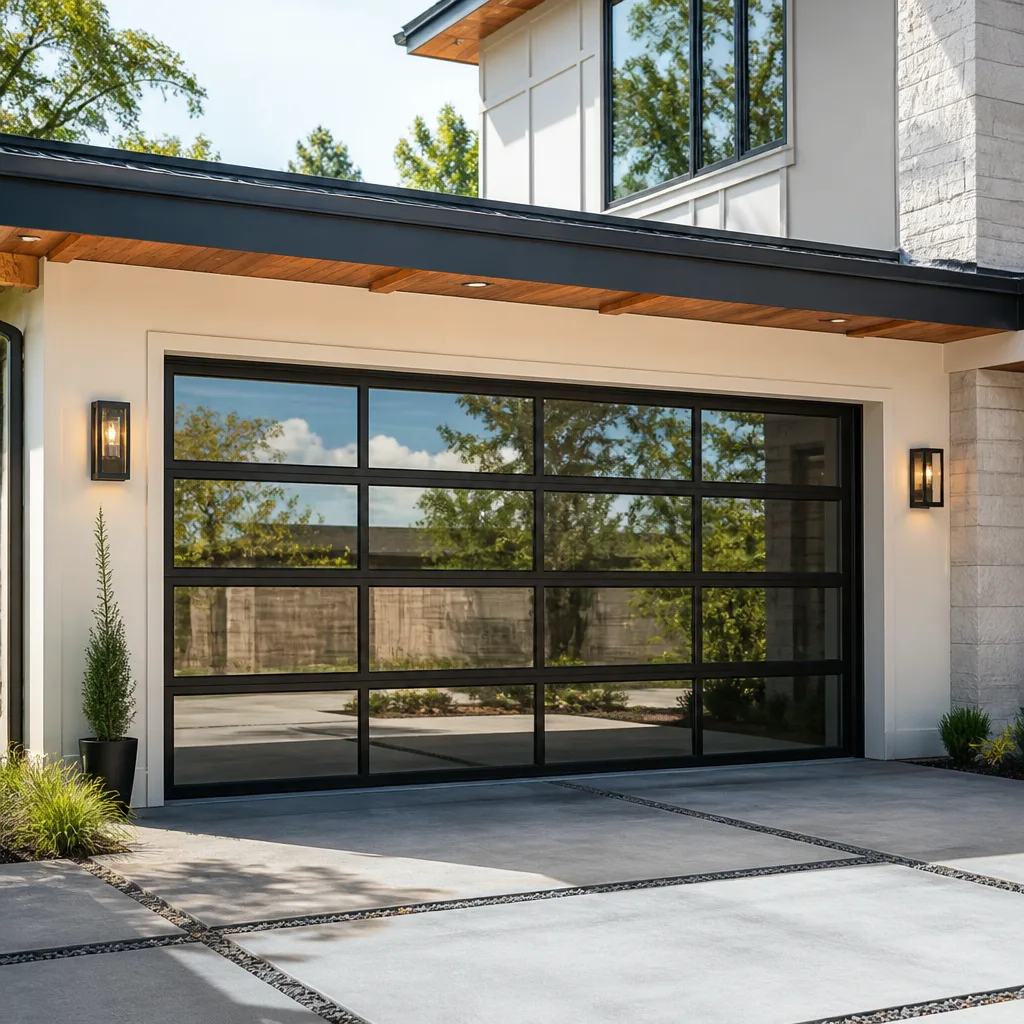 Full-view glass
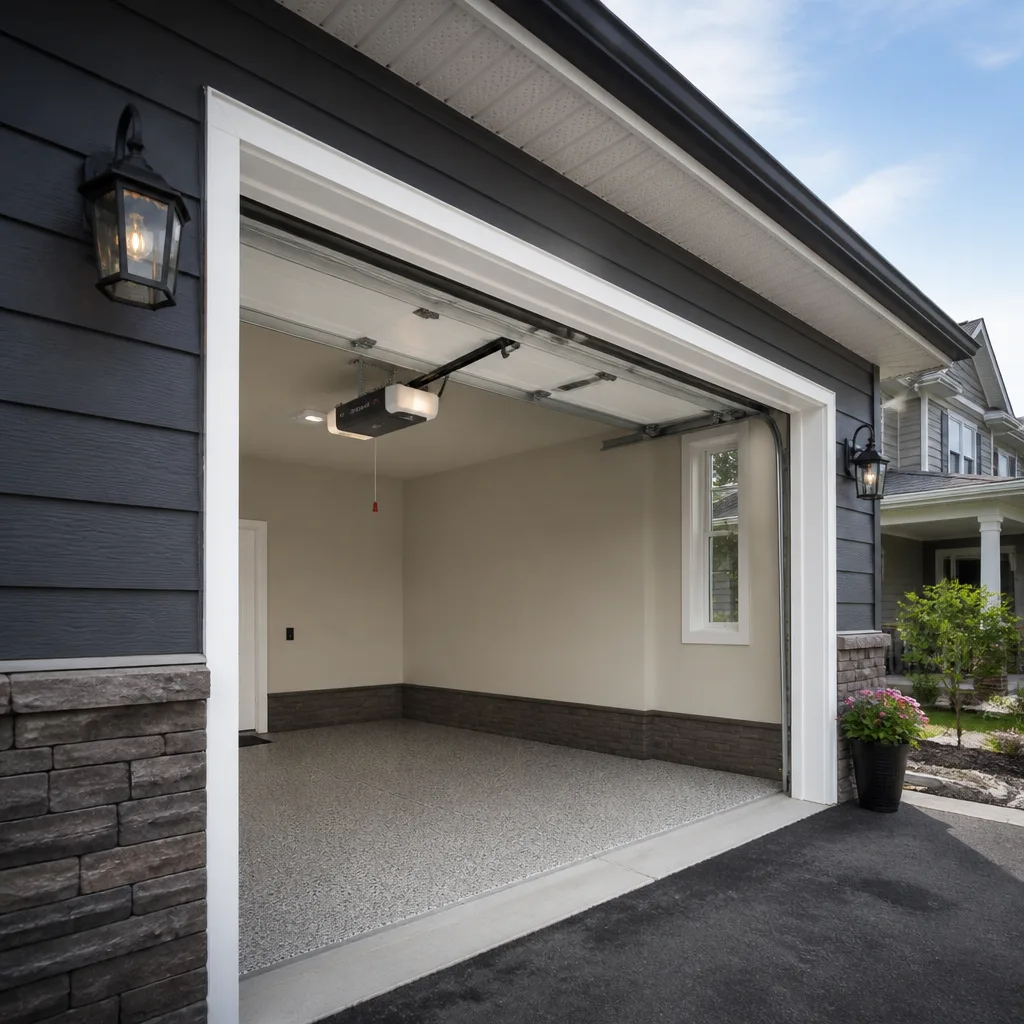 LiftMaster openers
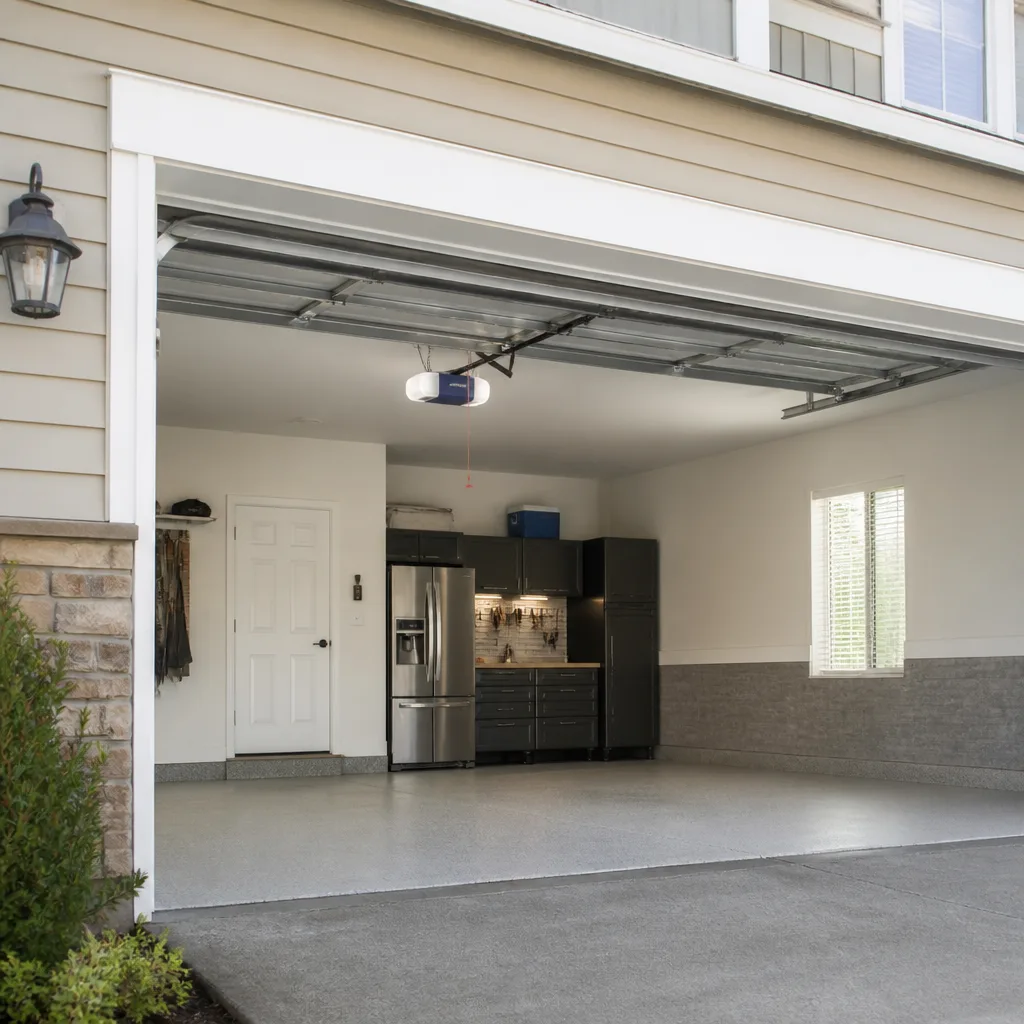 Chamberlain openers
Full 25-point door and opener safety check with every visit - springs, cables, rollers, tracks, and your LiftMaster or Chamberlain opener included
You get a price before we start. It does not change when the pro arrives.
Get your free estimateGarage Door Repair Maintenance Schedule: What to Do and When
A garage door doesn’t wear out evenly. The spring that lifts a two-car door and the nylon roller that glides along the track lead completely different lives, and treating them the same is why so many White Plains homeowners end up paying for an emergency repair when a routine tune-up would have caught the problem months earlier. A torsion spring rated for 10,000 cycles will last roughly 14 years at two open-and-close cycles a day, but a Westchester winter can shorten that considerably if the spring runs dry through a couple of freeze seasons. This guide breaks maintenance down part by part, with a calendar you can actually follow.
Styles & brands we work with
- Raised-panel steel
- Carriage house
- Modern flush
- Full-view glass
- LiftMaster openers
- Chamberlain openers
Quick Answer
Lubricate springs and hinges every six months, inspect rollers and tracks once a year, check cables visually every quarter, and replace weatherstripping every two to three years. In White Plains, add a pre-freeze inspection in late fall and a post-winter check in early spring. Most of these tasks take under 20 minutes each and prevent the failures that turn a small adjustment into a same-day emergency call.
Table of Contents
- Why Garage Door Maintenance Isn’t One Job
- Springs: Lubricate Every Six Months
- Rollers and Tracks: Inspect Every Twelve Months
- Cables: A Visual Check Every Quarter
- Weatherstripping: Replace Every Two to Three Years
- White Plains Seasonal Prep: Before the Freeze and After the Thaw
- The Month-by-Month Task Table
- Which Lubricants to Use and Which to Avoid
- How to Log Maintenance So a Technician Can Read It
- Common Mistakes to Avoid
- When to Call a Professional
- Frequently Asked Questions
Why Garage Door Maintenance Isn’t One Job
Most maintenance advice you’ll find online says to “check your garage door annually” and leaves it there. That’s like saying to service your car once a year without mentioning oil, tires, or brakes. Every component in a garage door system has its own duty cycle, its own failure mode, and its own service interval. The spring carries the full weight of the door thousands of times. The rollers spin a few inches per cycle. The weatherstripping just sits there and takes whatever the weather throws at it, which in White Plains means freeze-thaw cycles, road salt spray, and summer humidity that softens seals over time.
Matching the task to the part is what separates preventive maintenance from guesswork. When you know that springs want lubrication twice a year and rollers want inspection once a year, you stop over-servicing the easy stuff and under-servicing the dangerous stuff. And springs, cables, and the hardware under tension are exactly where under-servicing gets expensive.
A system that’s never been serviced usually fails in one of three places: a dry torsion spring that snaps, a worn nylon roller that derails the door, or a cracked bottom seal that lets water and cold air into the garage. Each of those has a different timeline, and each is caught by a different task on the calendar below.
Springs: Lubricate Every Six Months
Springs are the most mechanically dangerous component in a garage door system and the one that benefits most from a regular lubrication schedule. A torsion spring is a tightly wound coil of steel wire under extreme tension. Every time the door opens or closes, the spring flexes slightly, and over thousands of cycles the wire fatigue accumulates. Proper lubrication reduces friction between the coils during that flex, which slows wear and quiets the door at the same time.
Twice a year is the right interval for White Plains. We recommend one session in late fall before the first hard freeze and one in spring after the thaw. Cold weather makes steel more brittle, and a dry spring going through a Westchester winter is far more likely to fail than a lubricated one. The task itself takes five minutes:
- Close the garage door and disconnect the opener so nothing moves.
- Apply a light coat of garage-door-specific lubricant along the full length of the torsion spring, or along extension springs if your door uses those.
- Wipe away excess so dust doesn’t collect on the coils.
- Open and close the door a couple of times by hand to work the lubricant in.
Never put your hands near a wound torsion spring, and never try to adjust the tension yourself. Springs hold enough stored energy to cause serious injury, and a snapped spring can whip a cable loose. Lubrication is safe to do with the door closed and the opener disconnected. Tension adjustment, replacement, and any work involving the winding bars is a job for a trained technician. If your spring is already sagging, broken in two, or making a sharp bang when the door opens, stop using the door and call for garage door spring repair.
Rollers and Tracks: Inspect Every Twelve Months
Rollers take less stress than springs but fail in their own ways, and a single worn roller can derail a whole door. Once a year, with the door closed, look at each roller in the hinge brackets. Nylon rollers should be smooth and round; steel rollers should spin freely without a grinding sound. A roller that looks flat on one side, chips at the edge, or wobbles in its bracket is on its way out. The same inspection applies whether you have a Clopay or Amarr door, since the roller hardware is broadly similar across manufacturers.
While you’re looking at the rollers, check the tracks. Run a hand along the inside of each vertical and horizontal track (door closed, no moving parts). You’re feeling for dents, bends, or debris. A track that’s out of alignment will drag the door and wear the rollers faster. Don’t try to bend a track back into shape with a hammer; steel tracks deform easily and a slightly wrong angle will make things worse.
- Every 12 months: inspect all rollers for flat spots, chips, and wobble.
- Every 12 months: wipe tracks clean with a dry cloth; don’t grease the tracks themselves.
- Every 12 months: lubricate hinges and the roller bearings (not the track surface) with a light garage-door lubricant.
- Every 12 months: check all hinge bolts and tighten any that have worked loose.
If a roller is visibly worn, replacing it is a small job, but the door needs to be supported properly first. A door that comes off its tracks is heavy enough to be a hazard, so leave roller replacement and track realignment to a technician unless you’re confident with the door safely secured.
Cables: A Visual Check Every Quarter
Cables are the component most people forget because they never make noise until they fail. A garage door has two lift cables, one on each side, running from the bottom bracket up over the drums and connecting to the spring system. A cable that’s fraying, has kinks, or shows rust is a cable that’s about to let go, and a snapped cable can drop one side of the door instantly.
Once a quarter, with the door closed, look at each cable along its visible length. You’re checking for three things:
- Fraying: individual wire strands separating from the bundle, like a worn rope.
- Kinks or flat spots: places where the cable has bent sharply or been pinched.
- Rust or corrosion: more of a concern after a wet spring, when moisture gets into the garage and sits on steel.
If any of those show up, don’t operate the door. Cables are under heavy tension and are part of the same spring system that handles the door’s weight, so they carry the same danger. A frayed cable is a call-a-professional situation, not a weekend project. The good news is the visual check takes two minutes and catches most failures before they happen.
Weatherstripping: Replace Every Two to Three Years
The weatherstripping along the bottom of your door and around the frame is the part that quietly degrades while everything else keeps working. In White Plains, the bottom seal takes a beating from freeze-thaw cycles, summer heat, and road salt tracked in from the driveway. After two to three years, the rubber or vinyl gets brittle, cracks, and stops sealing. You’ll notice drafts, water on the garage floor after rain, and possibly a door that doesn’t sit flush.
Replacing the bottom seal is one of the few maintenance tasks most homeowners can handle themselves. The seal slides or pulls out of the door’s bottom retainer and a new one slides back in. The frame weatherstripping, the flexible flap around the sides and top, is similar: it nails or staples into the jamb and can be replaced with basic tools. Just match the seal type to your door. A Wayne Dalton door may use a different retainer profile than a Clopay, so measure the retainer and buy the matching replacement.
Check the seal each time you do a quarterly cable inspection. If it’s cracked, compressed flat, or peeling away, replace it. A good seal keeps weather out and also protects the door’s bottom panel from water damage, which is the kind of slow problem that turns into a panel replacement.
White Plains Seasonal Prep: Before the Freeze and After the Thaw
Westchester County has a specific weather pattern that affects garage doors more than people realize. Fall brings a hard freeze that arrives suddenly, often after a warm stretch. That rapid temperature drop is when dry springs are most likely to snap and when old weatherstripping cracks. Spring brings the opposite: a wet thaw that pushes moisture into every seam and joint, swelling wood frames and rusting exposed steel.
Two seasonal sessions cover both risks. Neither takes more than 20 minutes.
Before the first hard freeze (late October or early November):
- Lubricate the springs, hinges, and roller bearings (the fall half of your twice-yearly spring task).
- Test the door’s balance by disconnecting the opener and lifting the door halfway by hand. It should hold its position. If it drifts down or shoots up, the springs are out of balance.
- Test the safety reverse by placing a small object under the closing door and confirming it reverses.
- Inspect the bottom seal for cracks before cold weather makes them worse.
After the thaw (late March or April):
- Look for rust on cables, hinges, and springs; address surface rust early.
- Check the door panels for water damage or swelling along the bottom edge.
- Lubricate the springs again (the spring half of the twice-yearly task).
- Wipe down tracks that have collected road salt and grit over the winter.
- Re-test the balance and safety reverse.
If the door sounds different after winter, louder or rougher, that’s a sign the seasonal check missed something or a component wore faster than expected. That’s worth a professional look before it turns into a bigger repair.
The Month-by-Month Task Table
Here’s the whole schedule collapsed into a table. Every line item takes under 20 minutes. You can group the six-month and twelve-month tasks into the same sitting in fall and spring. The weekly tasks are quick glances when you open the door anyway.
- Monthly: Test the safety reverse (object under closing door). Visually scan tracks for debris.
- Quarterly: Cable visual check (fraying, kinks, rust).
- Every 6 months (fall and spring): Lubricate springs, hinges, and roller bearings. Test the balance by hand. Wipe tracks clean. Inspect the bottom seal.
- Every 12 months: Inspect all rollers. Tighten hinge and bracket bolts. Check the opener’s force setting and rail alignment. Lubricate the opener’s chain or belt per the manufacturer’s instructions.
- Every 2-3 years: Replace bottom weatherstripping and frame seals. Replace worn rollers if the 12-month inspection flagged any.
The schedule is intentionally weighted toward low-effort, high-value tasks. Spring lubrication and cable checks catch the two failure modes that cause most emergency calls. If you do only two maintenance tasks a year, make them the fall lubrication and the quarterly cable glance.
Which Lubricants to Use and Which to Avoid
This is where a lot of well-intentioned maintenance goes wrong. The two mistakes we see most often are WD-40 on springs and grease on tracks. Both make things worse.
Never use WD-40 on springs. The standard WD-40 formula is a solvent, not a lubricant. It cleans and displaces moisture, but it evaporates quickly and leaves the spring drier than before. It also dissolves the lubricant already in the coils. White lithium grease spray is a better choice for springs, hinges, and the roller bearings. Silicone-based garage door lubricant is also good and doesn’t attract dust.
Never grease the tracks. The tracks should stay dry and clean. Grease on a track collects dust, grit, and hair, then turns into a sticky paste that drags the rollers and wears them faster. Wipe the tracks with a dry cloth instead.
Avoid heavy axle grease on hinges and roller bearings. It works, but it thickens in cold weather and attracts dust. A light garage-door lubricant holds up better in a White Plains winter.
- Use: white lithium grease spray on springs and hinges.
- Use: silicone-based garage door lubricant on roller bearings and hinges.
- Use: manufacturer-specific lubricant for your opener’s chain or belt, as noted in the opener manual.
- Avoid: standard WD-40 on springs and bearings.
- Avoid: grease on tracks or any track surface.
- Avoid: heavy axle grease in cold-weather months.
How to Log Maintenance So a Technician Can Read It
Maintenance is only half the value; the other half is knowing what’s been done and when. When a technician opens a door that’s making noise or running rough, the first question is “when was this last serviced, and what was done?” A quick log answers that in seconds and tells the technician whether to look at a part that’s overdue or one that was recently touched.
You don’t need a fancy app. A note card taped inside the garage door frame works. Keep it simple and consistent:
- Date each entry.
- Task performed (for example, “lubed springs and hinges” or “replaced bottom seal”).
- Component condition (for example, “roller #3 showing flat spot” or “cable on left side started to fray”).
- Who did it (you or a technician).
When you call for professional service, mention the last entry. A technician can walk up, read the card, and know within a minute whether a noise is coming from a recently serviced hinge or a spring that hasn’t been touched in two years. That saves diagnostic time and gets you a clearer estimate faster. It also helps when you have garage door opener repair done on a Genie or Chamberlain unit, since the opener’s service history lives in the same place.
Our technicians have up to 11 years of experience and work across Genie, Clopay, Amarr, Wayne Dalton, LiftMaster, Chamberlain, Craftsman, and Raynor systems. If you’re not sure what’s been done to your door, a garage door repair visit with a full inspection is the fastest way to get a starting point.
Common Mistakes to Avoid
- Treating all components on the same annual schedule. Springs need twice-yearly attention while rollers need inspection once a year. Servicing everything once a year means springs go dry every winter and rollers get over-inspected while a cable quietly frays.
- Using WD-40 on springs. The solvent evaporates and leaves the spring drier than before, which is exactly how a lot of springs fail in their second or third winter.
- Greasing the tracks. Greased tracks collect grit and drag the rollers, causing more wear than dry tracks do. Wipe them clean instead.
- Skipping the fall pre-freeze check. In White Plains, the cold arrives suddenly. A dry, unlubricated spring going into a hard freeze is the most common cause of snapped springs we see.
- Adjusting spring tension by hand or with improvised tools. This is the single most dangerous thing a homeowner can do to a garage door. Springs hold enough energy to cause serious injury; leave it to a technician.
- Not logging the work. Without a log, a technician can’t tell what’s been serviced and what’s been neglected, and that diagnostic time is unnecessary.
- Ignoring a louder door. Noise usually means something is loosening or wearing. Catching it early is the difference between a roller replacement and a track repair.
When to Call a Professional
Some maintenance tasks are safe for a homeowner and some are not. Lubrication, visual checks, and weatherstripping are all reasonable to do yourself. Springs, cables, and anything involving the door’s weight or tension are not. Call a professional if you notice a broken or sagging spring, a frayed or kinked cable, a door that won’t balance when lifted by hand, a door that’s come off its tracks, a garage door opener that runs but the door doesn’t move, or a door that reverses without an obstruction. A spring that’s already snapped sometimes leaves the door propped up on one side; stop using the door and don’t try to force it closed. Garage Door Repair White Plains offers free estimates in White Plains. Call (844) 484-7501. We answer 24/7, and fast dispatch from 7am to 7pm, Sunday through Friday.
Frequently Asked Questions
Every six months, ideally once in late fall before the first hard freeze and once in spring after the thaw. White Plains winters are hard on steel, and a spring that goes into a freeze dry is far more likely to fail. Use white lithium grease or a silicone-based garage-door lubricant, never WD-40.
No. Torsion and extension springs are under extreme tension, and the job requires specific tools and training. A spring that releases unexpectedly can cause serious injury. Replacement should always be done by a trained technician. Call (844) 484-7501 for spring repair in White Plains; the price is quoted in writing before any work starts.
A standard torsion spring is rated for roughly 10,000 cycles, which works out to about 14 years at two cycles a day. In White Plains, freeze-thaw cycles and road salt can shorten that if the spring isn’t lubricated regularly. We usually see earlier failures on doors that go two or more winters without lubrication.
Check the opener’s force setting and rail alignment yearly, and lubricate the chain or belt per the manufacturer’s instructions. Test the safety reverse monthly by placing an object under the closing door. If the opener runs but the door doesn’t move, or reverses without an obstruction, that’s a diagnostic call, not a DIY fix.
Every two to three years in this climate. Freeze-thaw cycles, summer heat, and road salt make rubber and vinyl brittle faster than in milder areas. Check the bottom seal during each quarterly cable inspection and replace it when it cracks, flattens, or peels away.
You can do your own lubrication, visual checks, and weatherstripping on any day that works for you. Our dispatch is closed on Saturday but runs Sunday through Friday, 7am to 7pm, so if you find something that needs a professional, call and we’ll book you in for the next available opening.
The Bottom Line
The key to managing a garage door is matching the task to the part. Springs want lubrication twice a year, rollers and tracks want inspection once a year, cables want a visual check every quarter, and weatherstripping wants replacement every two to three years. In White Plains, add the fall pre-freeze check and the spring post-thaw check, which catch the damage this climate does to steel and rubber. Log what’s been done so a technician can read the history at a glance. Stay off the springs and cables yourself, and call a professional for anything involving tension or the door’s weight.
If your door needs a professional look, spring replacement, opener diagnostics, or a full installation, call Garage Door Repair White Plains at (844) 484-7501. Free estimates, upfront pricing, and the price is set in writing before any work starts. We answer 24/7, and fast dispatch from 7am to 7pm, Sunday through Friday. We work across Genie, Clopay, Amarr, Wayne Dalton, LiftMaster, Chamberlain, Craftsman, and Raynor, so we know your brand and your system. For full service from opener to panel, call us at (844) 484-7501 for a free estimate.
Written by the team at Garage Door Repair White Plains.
See the difference
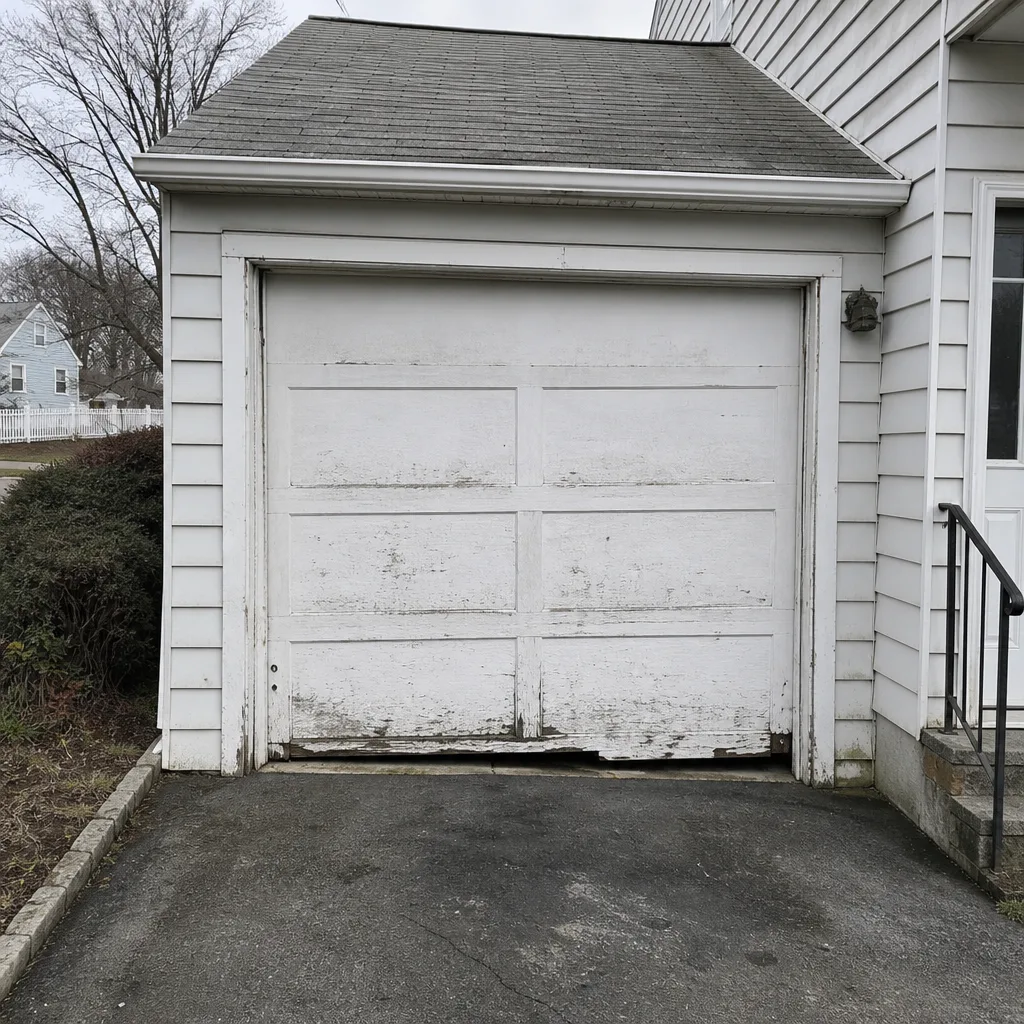 Before
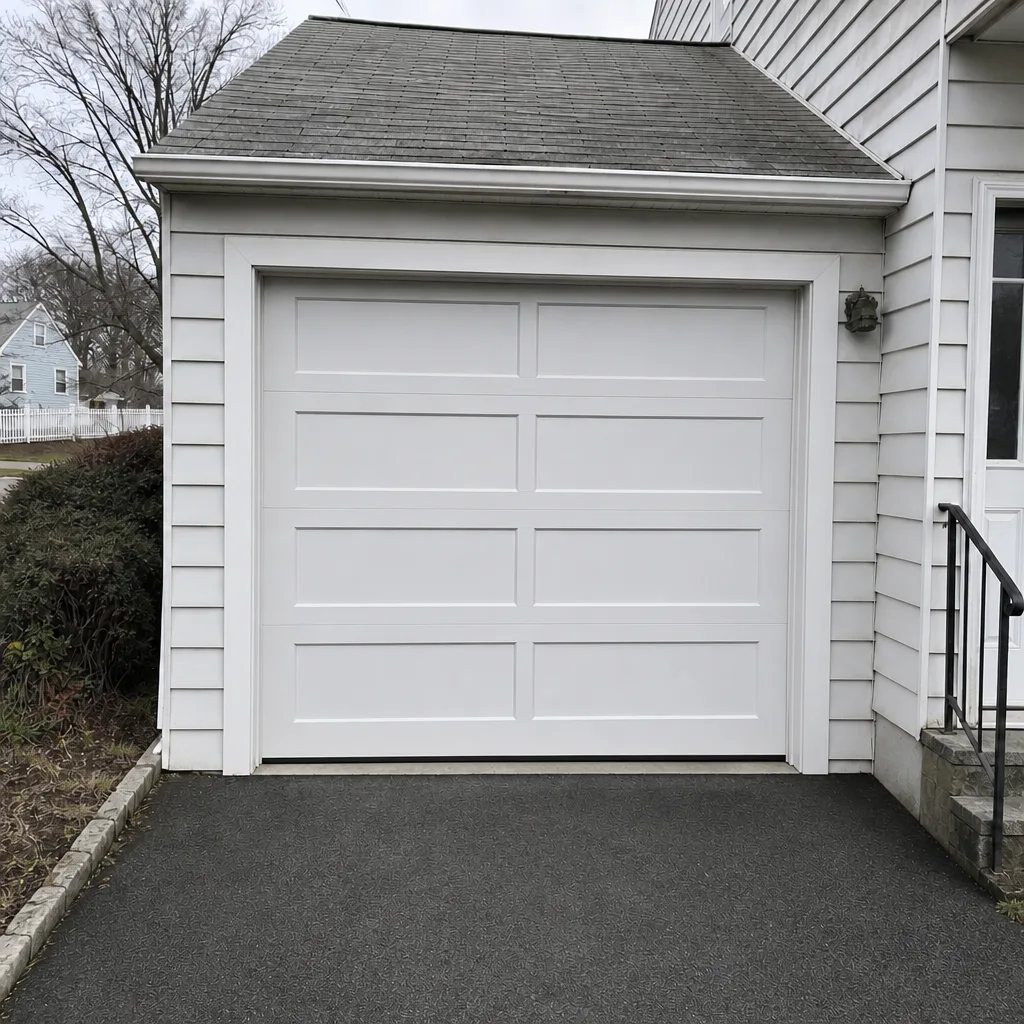 After
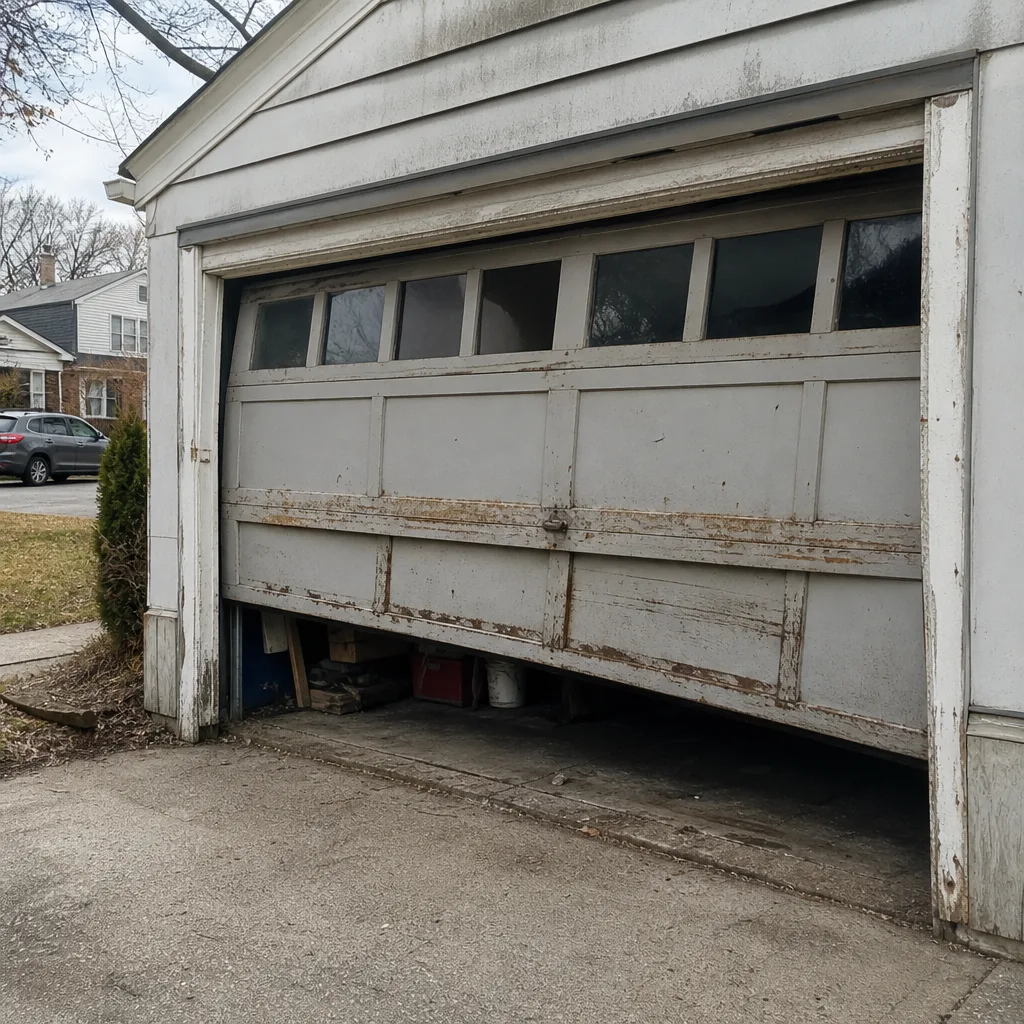 Before
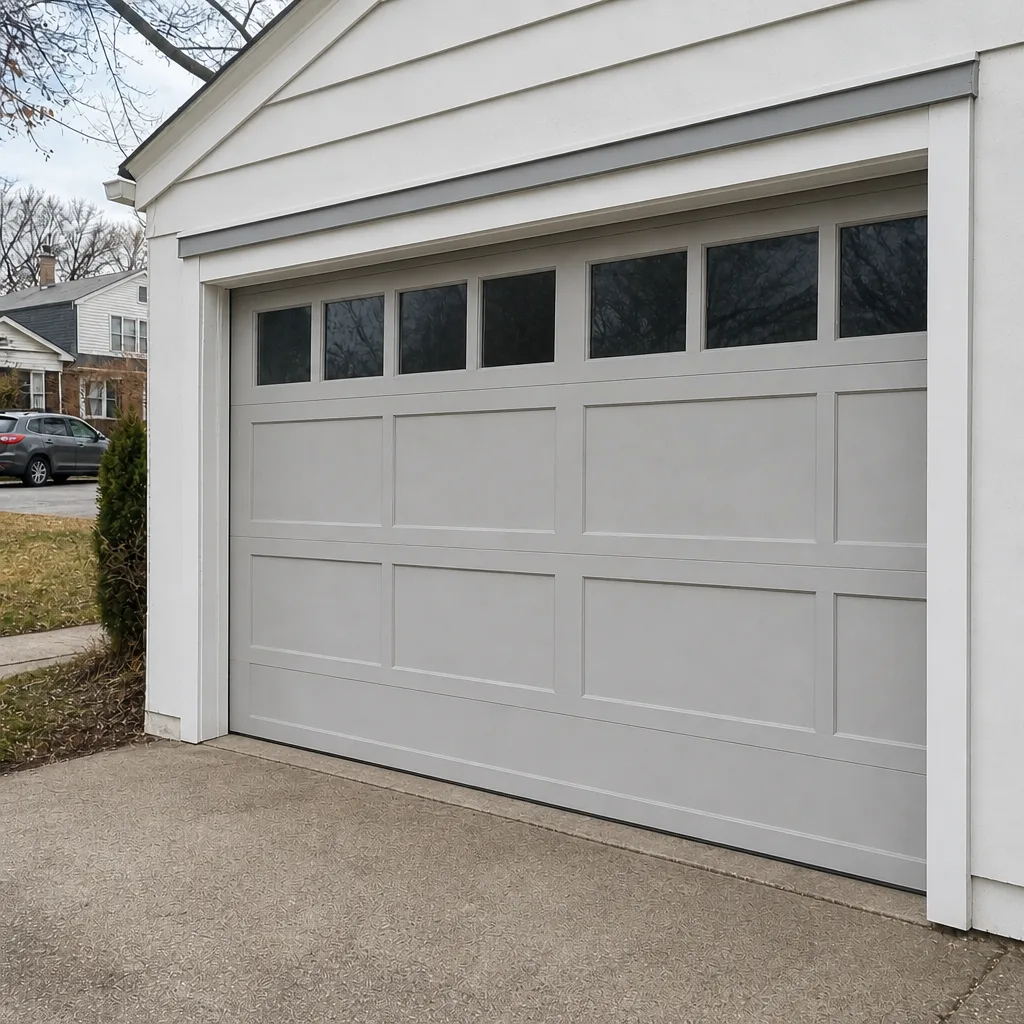 After
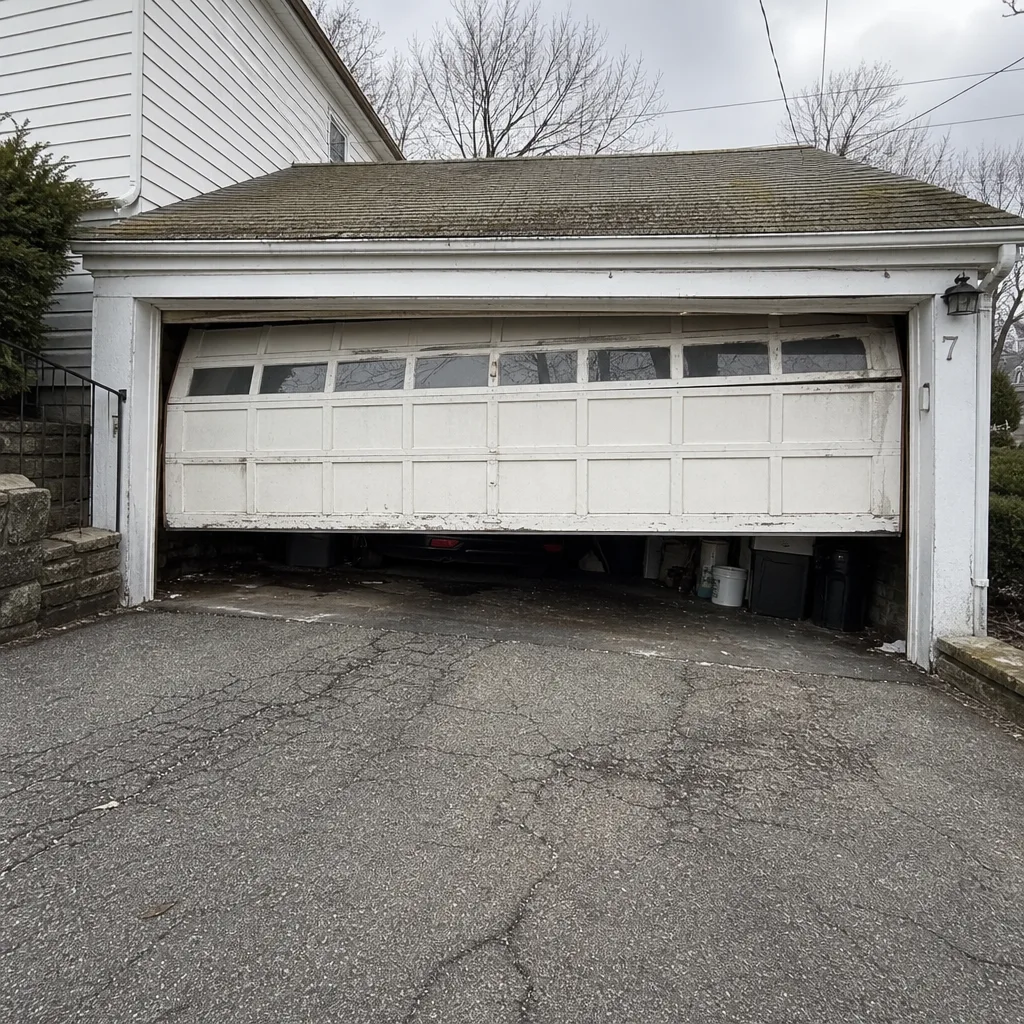 Before
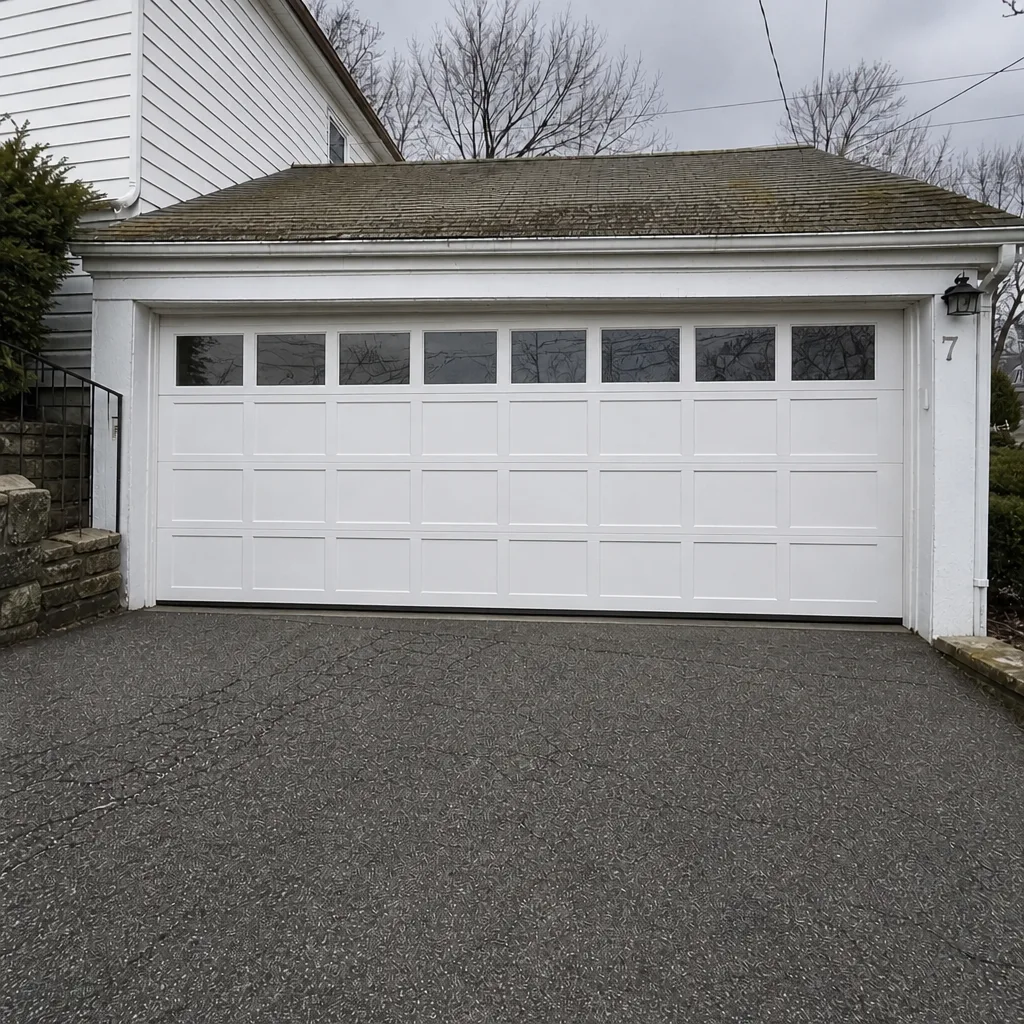 After