
Last updated November 22, 2026
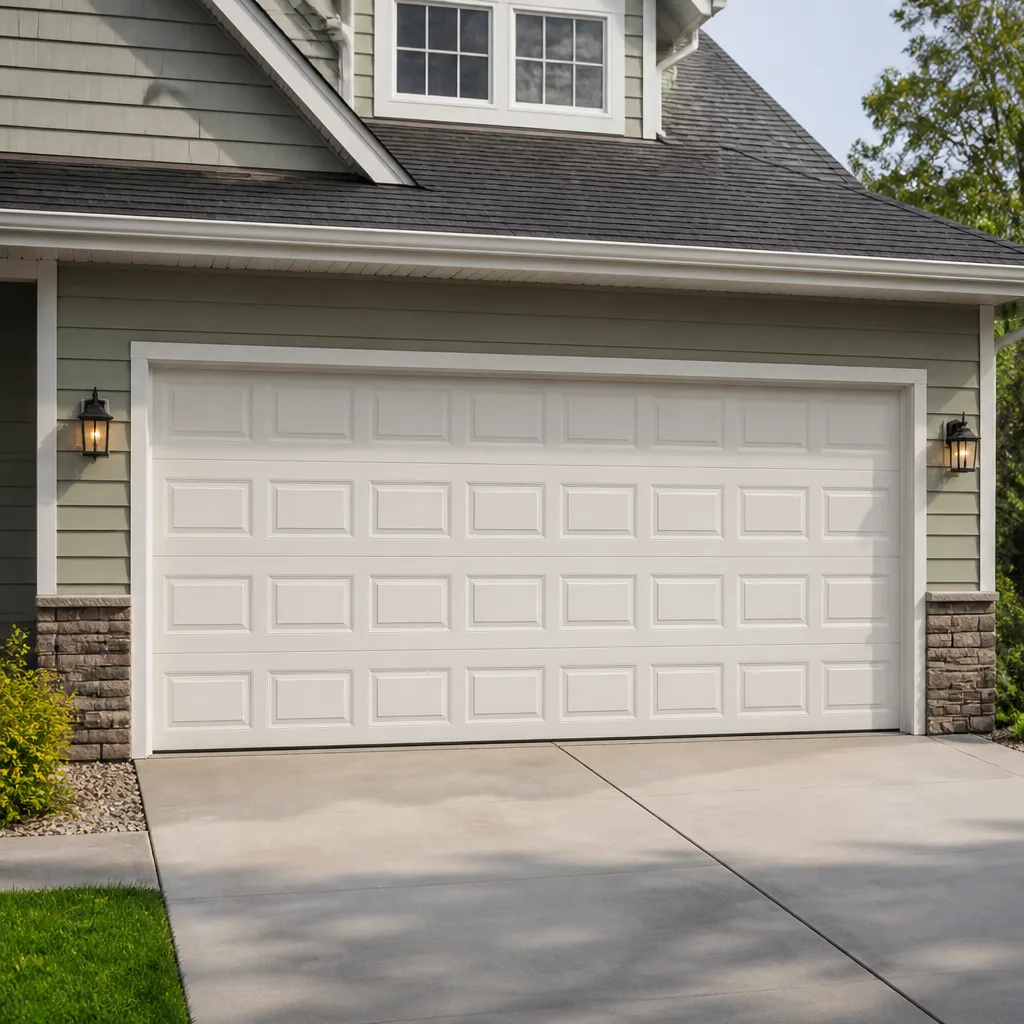 Raised-panel steel
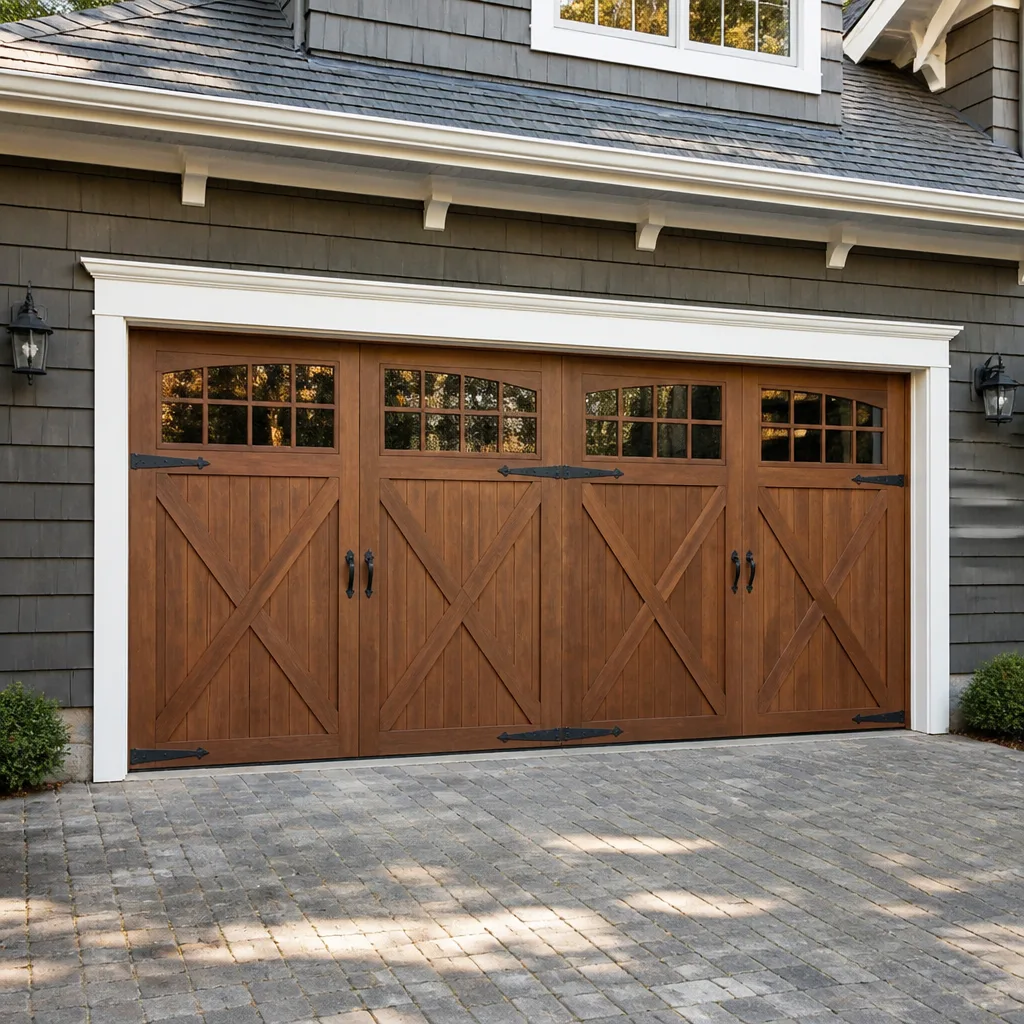 Carriage house
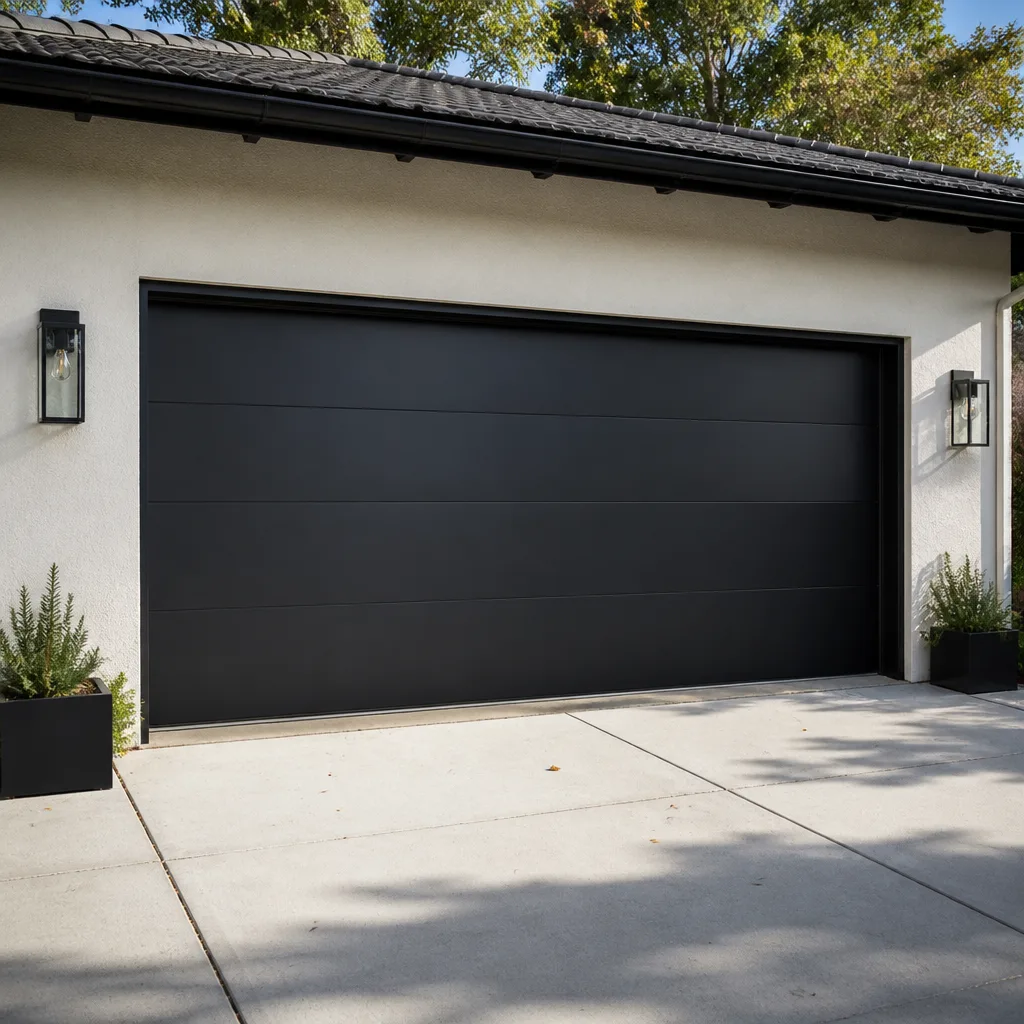 Modern flush
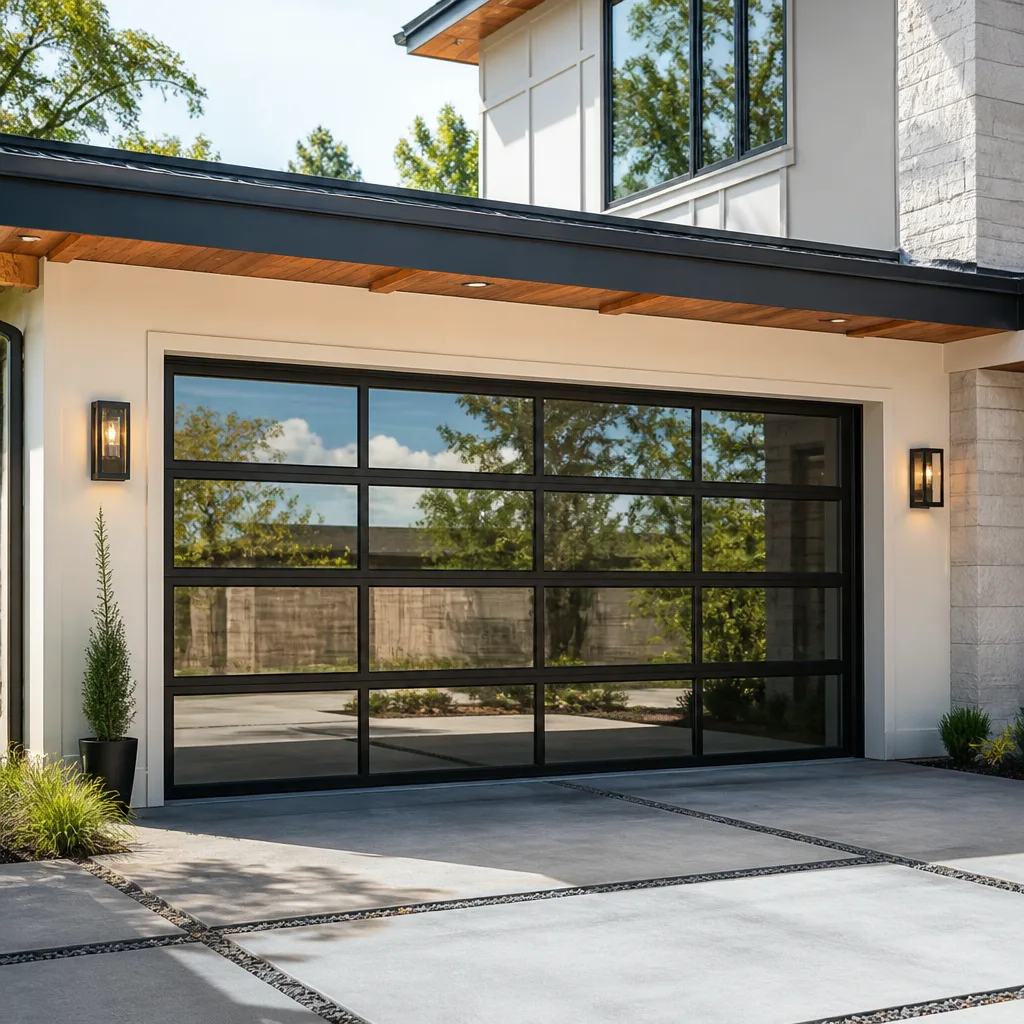 Full-view glass
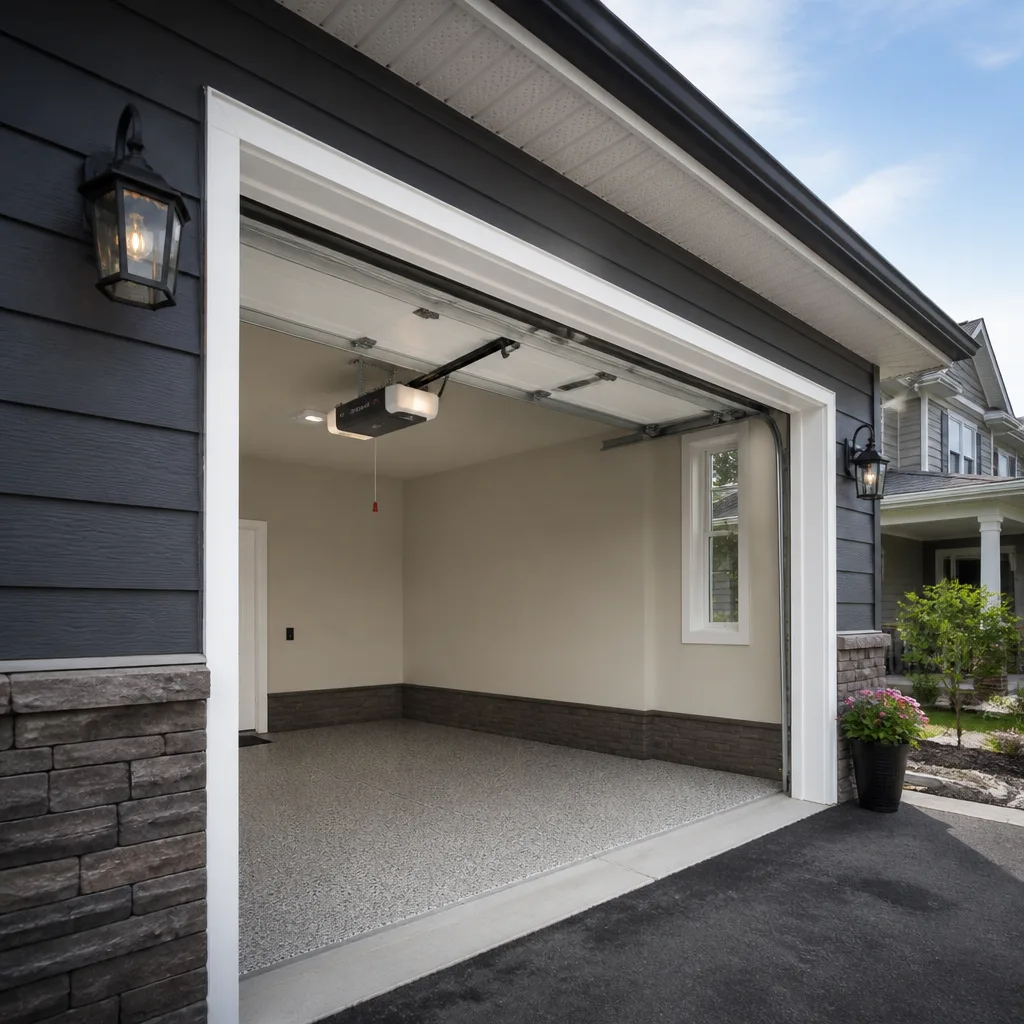 LiftMaster openers
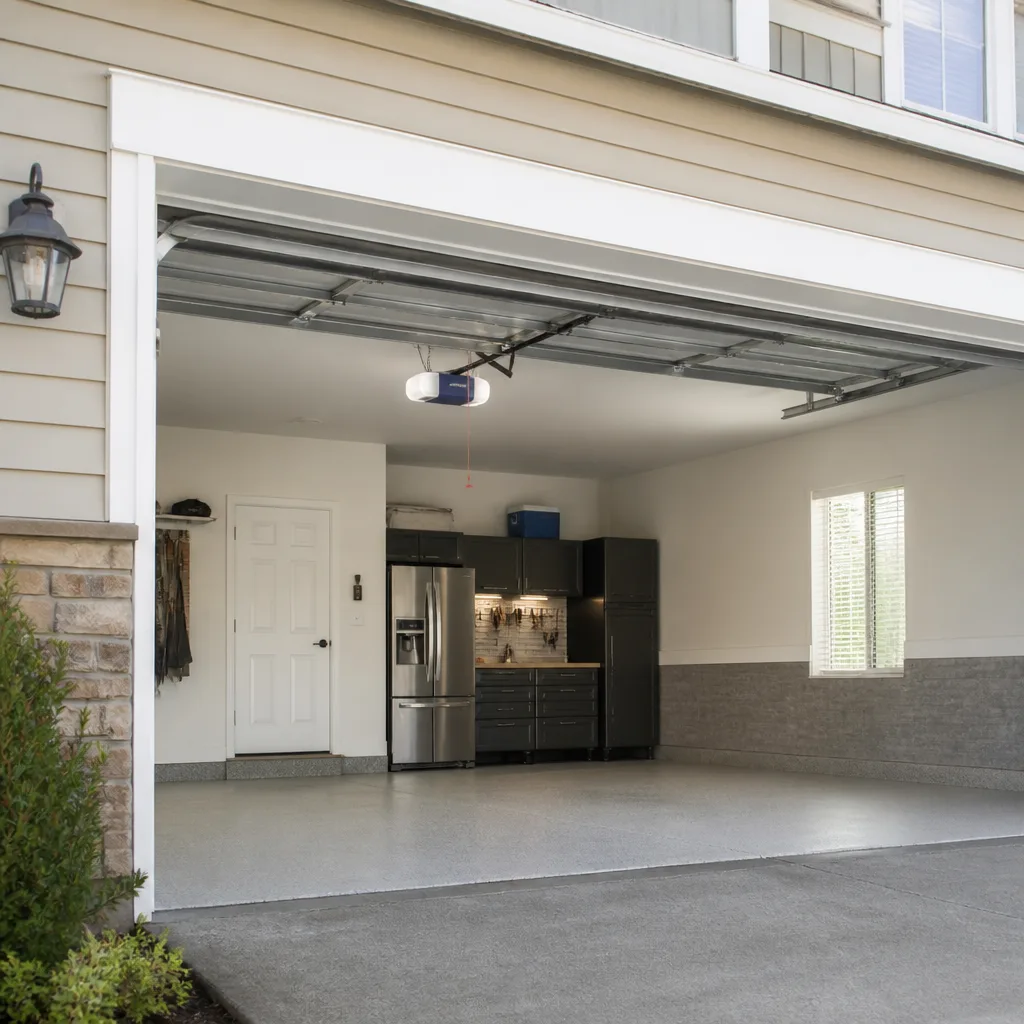 Chamberlain openers
Full 25-point door and opener safety check with every visit - springs, cables, rollers, tracks, and your LiftMaster or Chamberlain opener included
You get a price before we start. It does not change when the pro arrives.
Get your free estimateGarage Door Repair Maintenance Checklist for White Plains Homeowners
Lubricating your garage door rollers when the bearings are already worn doesn’t extend their life – it just makes the failure quieter until the door drops. That’s the trouble with most maintenance checklists: they hand you a flat list of ten chores that treats a torsion spring the same as a strip of weatherstrip, so the cheapest item gets the same attention as the one that can bring a 300-pound door down. This guide sequences the work by failure risk instead. You’ll learn what to actually look for at each stage, how Westchester’s freeze-and-thaw swings affect the hardware, and how to test the two safety systems most homeowners check incorrectly. Everything here is written for a White Plains owner standing on a garage floor, looking up.
Quick Answer
A garage door maintenance checklist for White Plains should be worked in order of failure risk, not convenience: springs and cables first, then the door’s balance and travel, then the safety reverse and photo-eye systems, then rollers, hinges and tracks, and weather sealing last. Monthly, run the balance and safety tests. Twice a year, in spring and late fall, do the full visual inspection and lubrication pass. Any spring that looks stretched or any cable that hangs slack in a cold snap should be looked at by a technician before the door is used again.
Styles & brands we work with
- Raised-panel steel
- Carriage house
- Modern flush
- Full-view glass
- LiftMaster openers
- Chamberlain openers
Table of Contents
- Why the order of your checklist matters more than the list
- Spring and cable checks you can safely do from the floor
- The balance test, and what a failed result tells you
- How to test auto-reverse and photo-eye alignment correctly
- Rollers, hinges, tracks and the lubrication mistake to avoid
- Seasonal adjustment notes for White Plains temperature swings
- What to document at every check
- Opener checks, including smart and legacy systems
Why the Order of Your Checklist Matters More Than the List
Every garage door is a system under tension, and the parts fail in a rough order of consequence. A worn roller squeaks for months before it becomes a problem. A fatigued torsion spring gives almost no warning before it snaps, and when it does, the door becomes dead weight held by whatever the cables and opener can manage. That’s why a checklist should start at the top of the risk curve and work down.
Rank your checks like this:
- Springs and cables. Highest stored energy in the system, highest consequence if they fail.
- Balance and travel. Tells you whether the springs are doing their job and whether the door is binding.
- Safety reverse and photo-eye. The systems that protect people and pets.
- Rollers, hinges and track alignment. Wear items that get noisy before they get dangerous.
- Weather sealing and bottom seal. Comfort and water intrusion, not safety.
In White Plains, the residential stock ranges from older homes near the downtown core to newer construction further out toward the Bryant Gardens and Gedney Farms areas, and the doors age very differently. An older single-car door with extension springs carries different risk than a newer two-car setup with a torsion shaft and a LiftMaster opener. The order above holds for both. What changes is how often you look.
If you want a one-word summary: springs first, seals last. Everything in between is a wear item you can watch over time.
Spring and Cable Checks You Can Safely Do From the Floor
You can assess spring condition without touching anything. That matters, because a torsion spring under tension and an extension spring that could let go are not things to handle by hand. The purpose of this section is observation, not repair.
Stand back and look at the spring or springs above the door:
- Gaps in a torsion spring. A healthy torsion spring is a continuous coil. A visible gap anywhere along the coil is a sign of fatigue and a reason to stop using the door.
- Stretched extension springs. Extension springs run along the sides. If one looks longer than the other, or the coils have separated compared to the other side, it’s carrying less load than it should.
- Cables off the drum or hanging slack. Cables should sit under tension on the drums at each end of the shaft. A cable that has jumped the drum or gone slack means the door is no longer being controlled.
- Anything dangling. A broken spring often leaves a piece hanging. If you see that, don’t run the opener.
- Rust or pitting on the coils. Westchester humidity takes a toll on bare steel. Surface rust isn’t an emergency, but heavy pitting on a spring is a reason to get it looked at.
One clear rule: if a spring is broken, a cable is off, or the door feels heavier than normal when you lift it by hand, close it and leave it closed. Springs and cables store enough energy to cause serious injury, and a trained technician has the tools and the winding bars to handle them correctly. That’s the whole reason garage door spring repair is treated as its own discipline rather than a general handyman task.
The Balance Test, and What a Failed Result Tells You
The balance test tells you whether your springs are still lifting most of the door’s weight. If they aren’t, the opener is doing work it wasn’t designed to do, and that’s where motor and gear failures come from.
Here’s how to run it safely:
- Disconnect the opener using the manual release cord, usually a red handle hanging from the rail.
- Lift the door by hand to about waist height and stop.
- Let go. A properly balanced door should stay roughly where you left it, maybe drifting slowly.
- Repeat at halfway up and again near the closed position.
What the results mean:
- Door slams down or drops fast. Springs have lost tension. The door is heavier than it should be, and using the opener in this state accelerates wear on the motor and the door’s hardware.
- Door rises on its own. Springs are over-tensioned or a spring has been replaced with the wrong size for the door.
- Door binds or sticks partway. Usually a track alignment or roller problem rather than a spring problem.
Relatch the opener afterward by running it until it reconnects. If the door fails the balance test, that’s the point to call a technician rather than run the opener until something else breaks. A door that can’t hold its own weight will eventually damage the opener arm, the hinges or the panels themselves.
How to Test Auto-Reverse and Photo-Eye Alignment Correctly
Most homeowners test one safety system and think they’ve tested both. These are two separate systems on modern openers, and a false pass on either is common.
The photo-eye test
Photo-eyes are the two small sensors mounted a few inches off the floor at each side of the door opening, one sending, one receiving across the gap. The correct test:
- Close the door using the wall button or remote.
- While it’s closing, pass a broom handle or a rolled newspaper through the beam between the sensors.
- The door should reverse immediately and return to open.
The mistake: waving a hand breaks only the upper part of the beam if the sensors aren’t aligned. A misaligned pair may still show a solid indicator light but not reliably trip. Check that both sensor lenses point directly at each other, that neither is knocked sideways by a bicycle or a bag of mulch, and that nothing – a hanging hose, a bucket, a stray leaf bag – sits in the path. On Genie and Chamberlain openers the indicator lights tell you a lot; a flickering or off light on the receiver is a sign of misalignment or a wiring issue.
The mechanical auto-reverse test
Separately, the door should reverse when it meets resistance on the way down. Place a 2×4 flat on the floor in the door’s path and close the door. It should contact the board and immediately return. If the door presses down and stalls or stops without reversing, the force setting is too high. On a LiftMaster or Raynor opener, the force adjustment lives on the motor head and is easy to get wrong if someone has turned it up to compensate for a binding door. Turning up force to fix a sticking door is treating a symptom; the door needs balancing instead.
Run both tests monthly. They take under two minutes and they’re the two checks that protect living things.
Rollers, Hinges, Tracks and the Lubrication Mistake to Avoid
This is where the opening point of this guide comes back. Lubrication makes a worn part quieter, and quiet sounds like fixed. If a roller’s bearing is already shot, adding lubricant just delays the moment you notice the door has started to run rough.
What to do instead:
- Inspect rollers before you lubricate them. Nylon rollers should be smooth and free of flat spots. Steel rollers should spin freely and quietly. A roller that wobbles on its stem, or has visible wear on the bearing, needs replacing, not greasing.
- Look at the hinge plates. Rust, elongation around the pin, or a rivet working loose is a replacement item. Hinges are cheap; the panel damage from a failed hinge isn’t.
- Check the tracks for alignment, not shine. Run a straight edge, or just your eye, along each vertical track. Dents, kinks or separation from the wall brackets cause the door to bind. Never lubricate the track surface itself – it collects grit and makes the door run worse.
- Lubricate the right parts, lightly. A small amount of garage door lubricant on hinge pivot points, roller stems, and the spring coils is enough. Avoid spraying the track.
- Check the bottom bracket area visually. This is where the cable attaches at the bottom corner. If you see cable fraying near the bracket, treat it as a professional item.
This is the section of the checklist where generalist handyman work shows its limits. A brand-specific technician knows what a Raynor hinge should feel like versus a Clopay one, and can tell the difference between normal wear and a part that’s about to let go. That’s the difference between garage door repair that holds and a repair you repeat.
Seasonal Adjustment Notes for White Plains Temperature Swings
White Plains sits in a climate with real seasonal range – hot, humid summers and winters that regularly drop below freezing, with repeated freeze-and-thaw cycles through January and February. Metal expands and contracts with that swing, and your door tells you about it.
- Cold snaps and cable slack. In a hard cold spell, steel contracts and cables can develop visible slack. A small amount of movement is normal; a cable that’s jumped the drum or hangs loose is not, and the door should not be operated until it’s checked.
- Spring tension feels different in winter. Some doors feel noticeably heavier in the cold. If the door passes the balance test in summer but slams in January, that’s worth a look rather than something to work around.
- Summer humidity and swelling. Wooden doors, and older wood-framed openings, can swell in humid months. If the door starts to bind only in summer, check the track alignment and the bottom seal rather than assuming the opener is failing.
- Fall is the right time for the full check. Doing your thorough inspection pass in October or November catches the wear items before the coldest months, when the door is working hardest.
- Spring is the second pass. A spring check after the freeze-and-thaw season ends catches anything that fatigued over winter.
None of this changes the risk order from earlier. It just tells you when to look hardest at the top of the list.
What to Document at Every Check
The most underrated maintenance habit is keeping a written log. It turns a vague “the door’s been acting up” into a diagnosis a technician can work from in a single visit.
Note these five things each time you check:
- Date and the outdoor temperature. Cold-weather behavior is a diagnostic clue.
- Balance test result. Where the door held, dropped or rose.
- Spring and cable observations. Gaps, slack, rust, stretched coils – describe what you saw, from the floor.
- Safety test results. Pass or fail on both the photo-eye and the mechanical reverse.
- Anything new. A new noise, a rough patch in the travel, a light that stopped working.
Keep the log somewhere in the garage. When you do call for garage door repair in White Plains, having those notes means the technician arrives with a starting point rather than starting from scratch. That’s one visit instead of two.
If your door has a smart opener – a Chamberlain or LiftMaster with an app – note when the app last reported a fault or a failed close. Those logs are useful alongside your own.
Opener Checks, Including Smart and Legacy Systems
The opener is the part homeowners most often blame for problems that come from the door itself. Before assuming the motor is failing, run the balance test. A door that won’t hold its own weight will make a perfectly healthy opener strain.
Checks worth doing on the opener itself:
- The safety reverse sensors. Covered above, but worth running on every opener check.
- The wall control. Does every button work? A sticking wall button can cause the door to open randomly.
- The remote and keypad. Weak battery, or a keypad code that needs refreshing.
- The travel limits. Does the door stop cleanly at the floor and at the open position, or overshoot slightly?
- On smart openers, the app. Check that the app reports the door’s position correctly. If it doesn’t, the opener’s internal logic may need resetting.
For older Genie or Chamberlain units with screw or chain drives, listen for grinding, and check the rail for excess slack. If your opener is failing, garage door opener repair covers the electronics and drive systems, including legacy setups and connected models. Our technicians have up to 11 years of experience and are trained on LiftMaster, Chamberlain, Genie and Raynor among other brands.
Common Mistakes to Avoid
- Lubricating before inspecting. Adding lubricant to a worn roller makes it quiet without making it safe. Always inspect first, then lubricate what’s healthy.
- Turning up the opener’s force setting to fix a binding door. If the door is binding, the track or the springs need attention. Raising the force setting just makes the opener work harder against a problem.
- Waving a hand through the photo-eye beam instead of a real test object. A hand breaks only part of the beam, and a misaligned pair can pass that test falsely. Use a broom handle or a rolled newspaper.
- Adjusting springs yourself. In White Plains, as anywhere, this is the one part of the door that should never be a homeowner project. The stored energy is enough to cause serious injury.
- Ignoring a small track dent. A small dent causes the door to bind, which strains the opener, which stresses the springs, which eventually breaks something expensive. Fix the dent early.
- Skipping the autumn check. The freeze-and-thaw season in White Plains is hard on steel and wood. Getting eyes on the door before winter is cheaper than getting eyes on it after a failure.
- Not keeping a log. Without notes, a technician has to diagnose from scratch at every visit. With notes, they can go straight to the likely cause.
See the difference
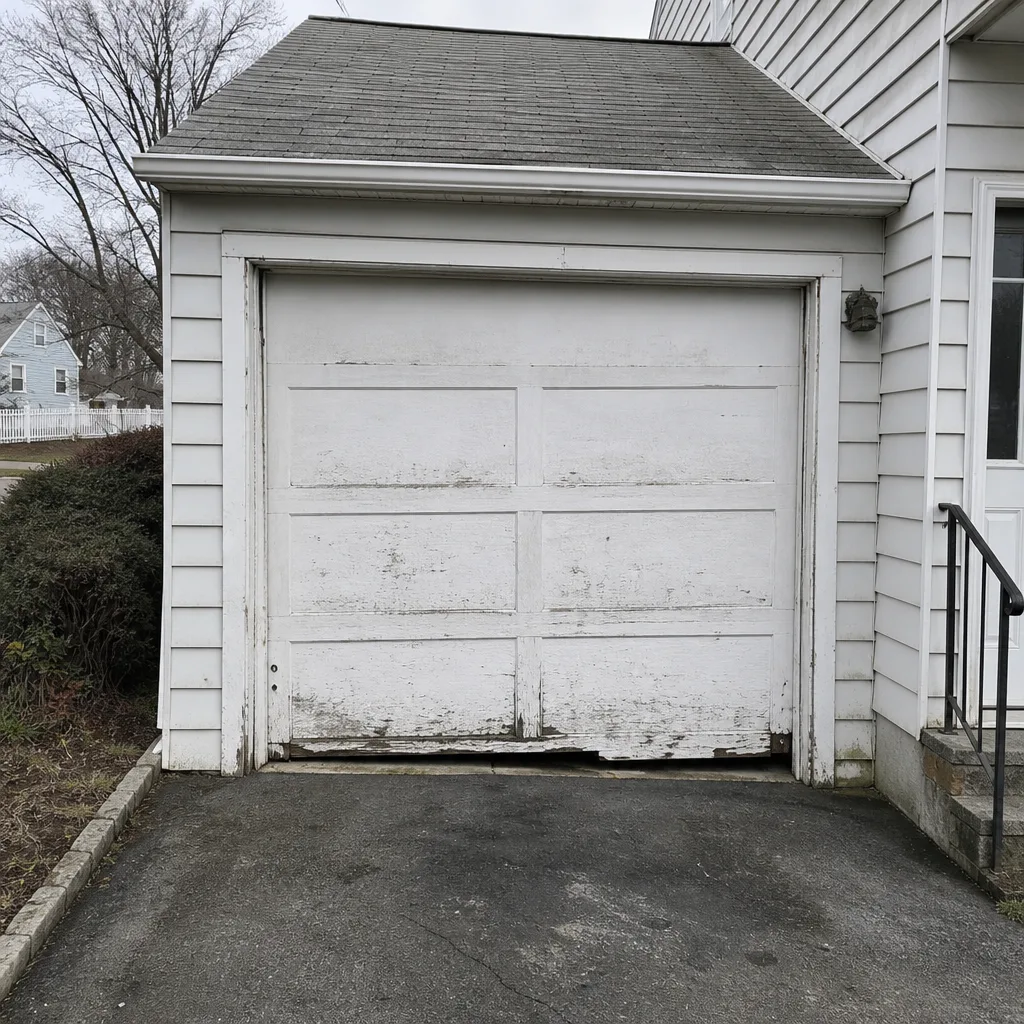 Before
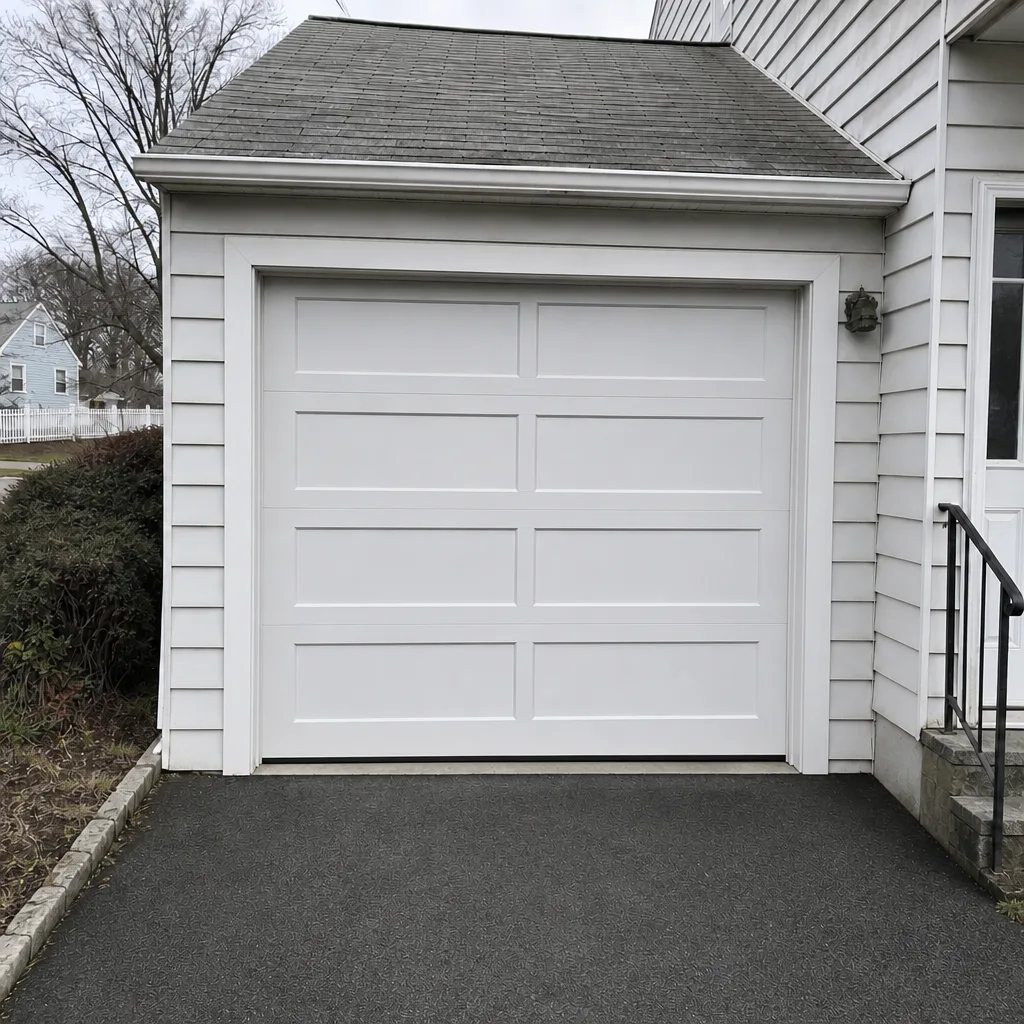 After
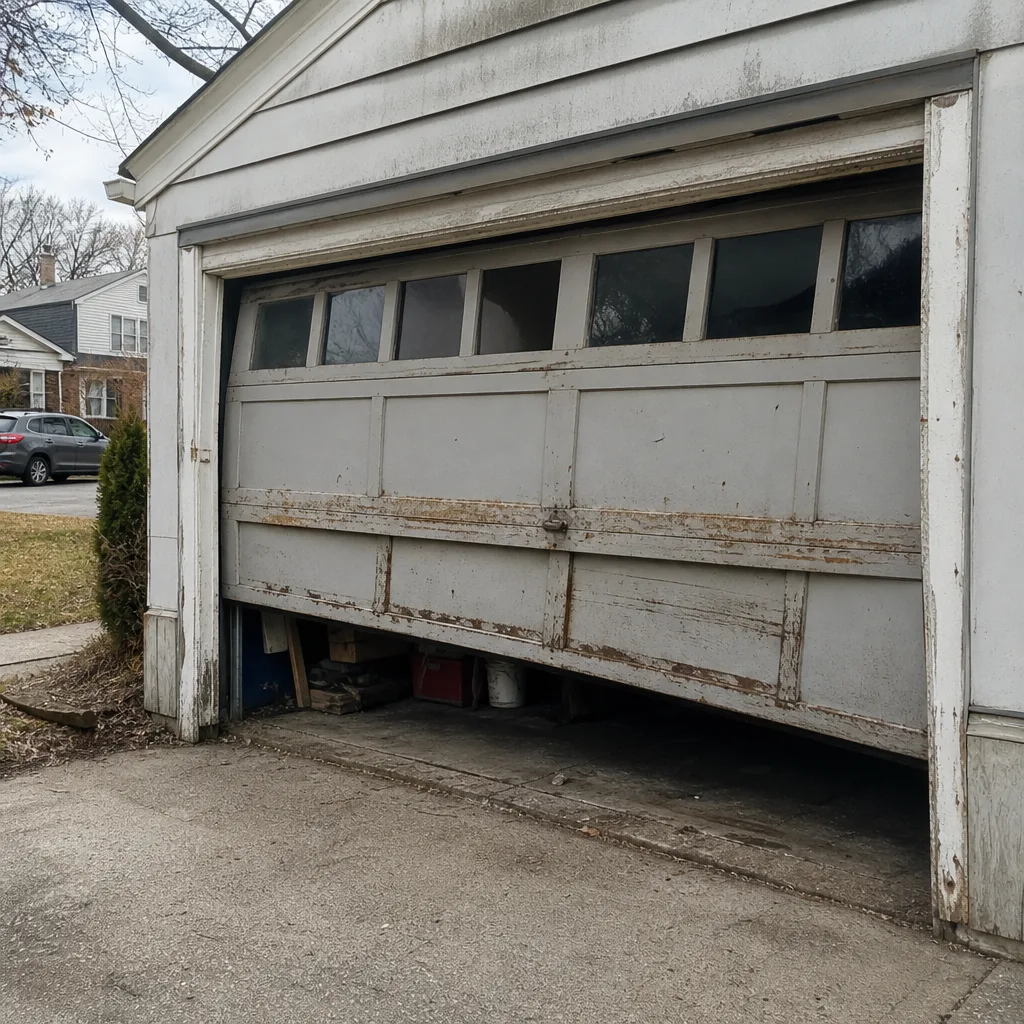 Before
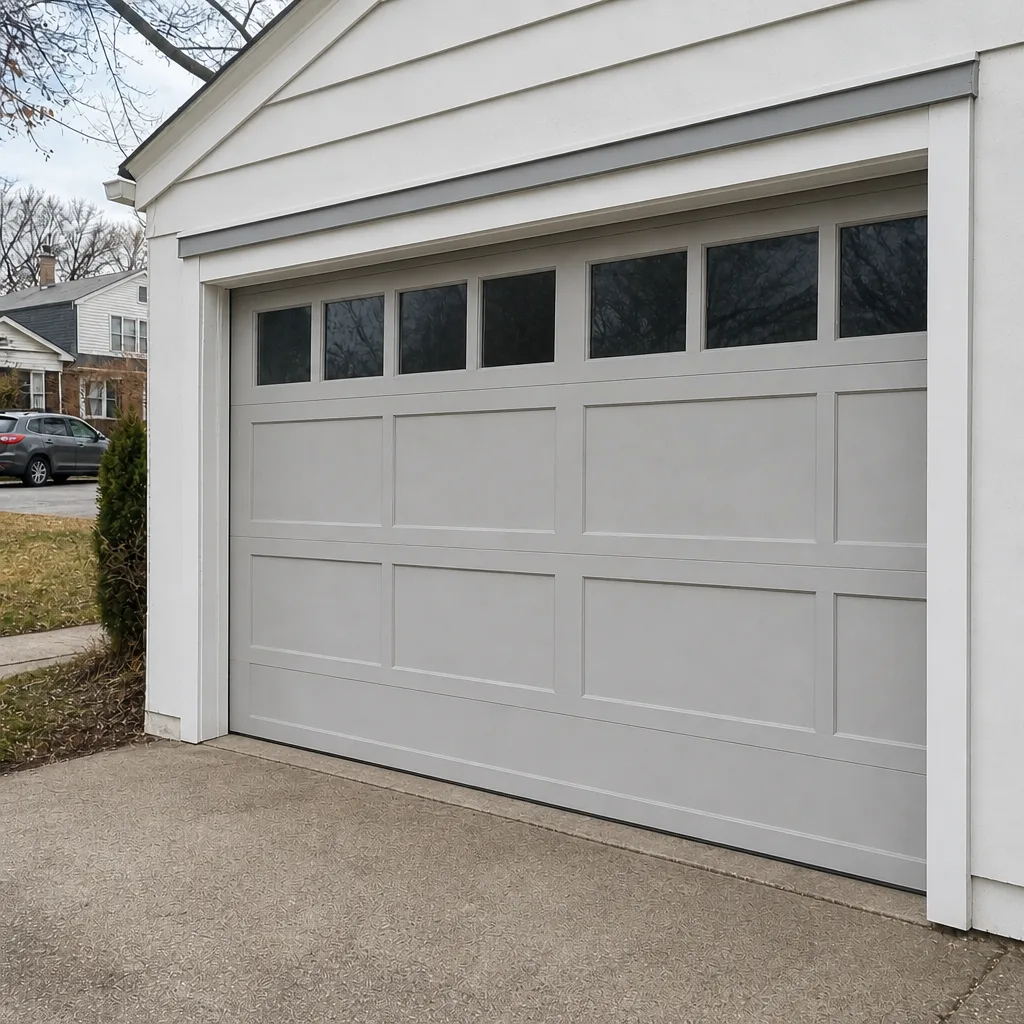 After
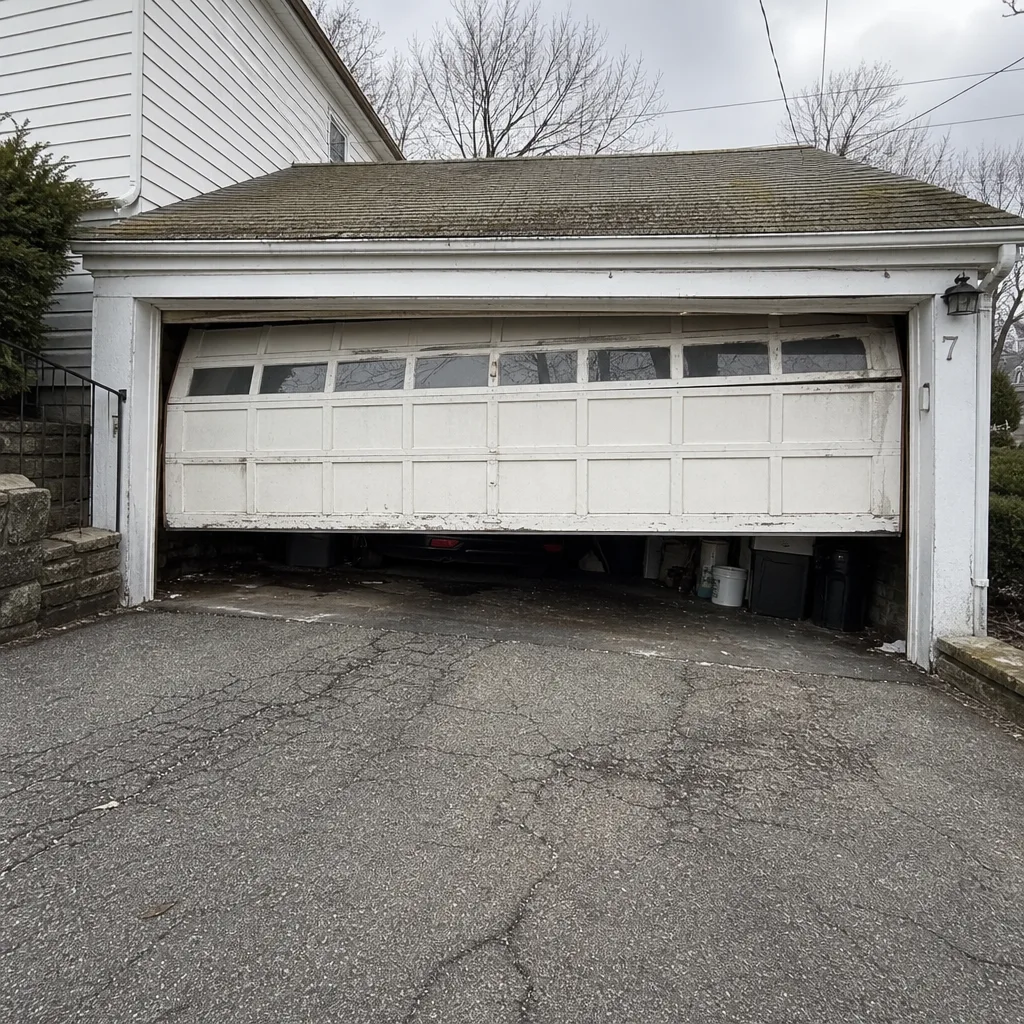 Before
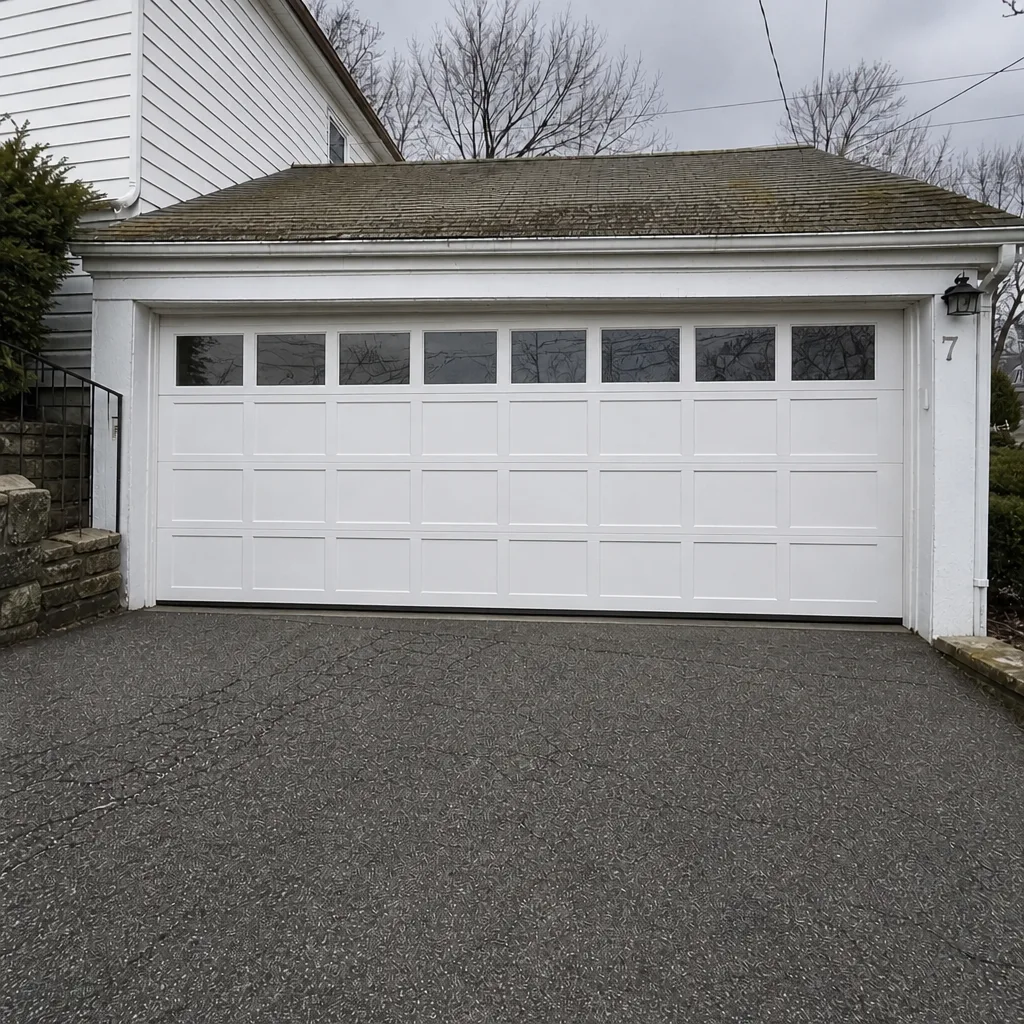 After
When to Call a Professional
Call a technician if any of these are true: a torsion spring has a visible gap or is broken; a cable has jumped the drum or is hanging slack; the door fails the balance test; the safety reverse fails after a fresh battery and a careful realignment; the door won’t stay on its track; or the opener runs but the door doesn’t move. Those are the failure modes where waiting makes the eventual repair bigger. Garage Door Repair White Plains offers free estimates in White Plains – call (844) 484-7501. We answer 24/7. Fast dispatch from 7am to 7pm, Sunday through Friday. Springs and cables are our core specialty, and we work on the major brands including LiftMaster, Chamberlain, Genie, Clopay, Amarr, Wayne Dalton, Craftsman and Raynor.
Frequently Asked Questions
Twice a year for a full inspection pass, plus the balance test and both safety tests monthly. Spring and late fall are the best times, because they bracket the freeze-and-thaw season and the humid summer. Older doors and doors that get used several times a day benefit from a professional check annually. Call (844) 484-7501 for a free estimate if you’re not sure of the door’s history.
No. Torsion and extension springs store enough energy to cause serious injury, and the tools to handle them safely aren’t standard homeowner equipment. Observation from the floor is safe – noting gaps, slack or rust is fine – but replacement and adjustment belong to a trained technician. If your spring looks tired, call (844) 484-7501 for a free estimate.
There’s no hard cutoff, but doors get noticeably harder to operate in White Plains cold snaps. Steel contracts, springs can lose tension, and cables can show slack. If the door fails the balance test in the cold, don’t keep running the opener against it. Call (844) 484-7501 for a free estimate before a small spring issue becomes a full hardware repair.
Usually one of three things: a sticking wall control button, a neighbor’s remote on the same code, or a fault in the opener’s logic board. On older systems, a worn wall button is the common culprit. On newer LiftMaster or Chamberlain units, the app’s event log often points to the cause. If it keeps happening, call (844) 484-7501 for a free estimate.
They test two separate systems. The photo-eye test checks that the safety beam across the opening trips the door to reverse. The auto-reverse test checks that the door reverses when it meets physical resistance on the way down. A properly maintained door should pass both. If it fails either, call (844) 484-7501 for a free estimate.
Yes. Our technicians handle both – Wi-Fi-connected openers from Chamberlain and LiftMaster, and older legacy systems from Genie and others. Same visit, same diagnostic approach; the difference is which components we test. For opener issues, call (844) 484-7501 for a free estimate.
The Bottom Line
The right maintenance checklist isn’t a long list of chores – it’s a short, risk-ordered inspection that puts springs and cables first and weather sealing last. Run the balance test and both safety tests monthly. Do the full visual pass in spring and again before winter, when White Plains freeze-and-thaw puts real stress on the hardware. Keep a log so a technician can diagnose quickly if something fails. And remember: lubricating a worn part doesn’t fix it, it just delays the noise. If anything on the list looks off, don’t wait. A free estimate today beats a bigger repair later.
Call (844) 484-7501 for a free estimate. We answer 24/7. Fast dispatch from 7am to 7pm, Sunday through Friday.
Written by the team at Garage Door Repair White Plains.