
Last updated November 22, 2026
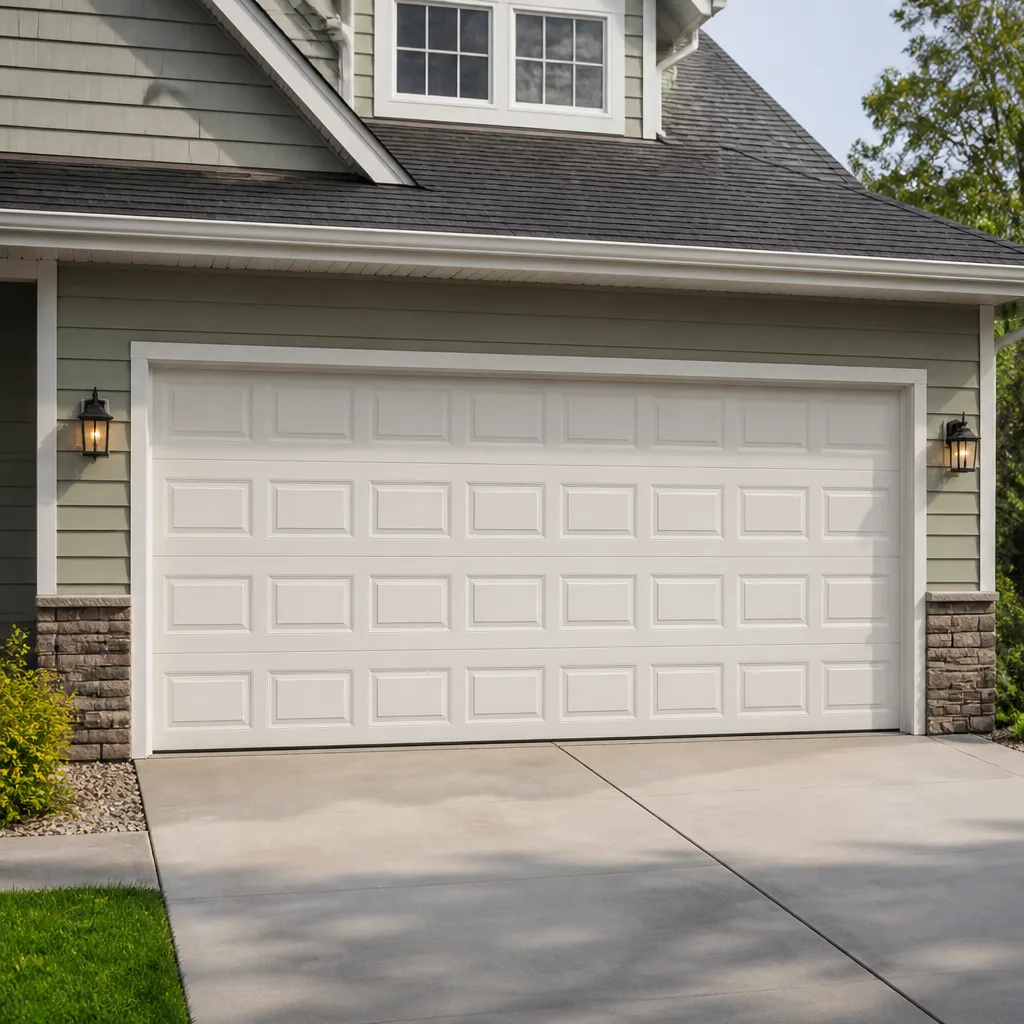 Raised-panel steel
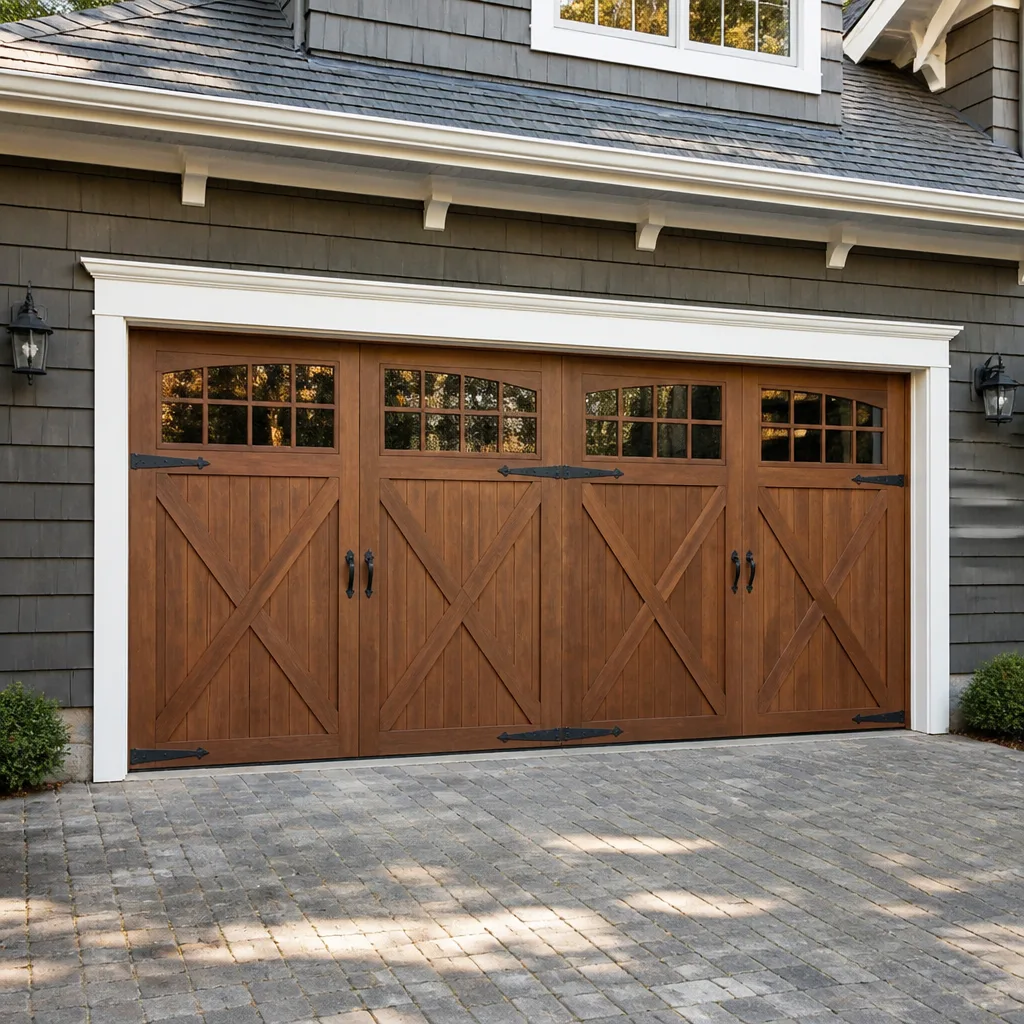 Carriage house
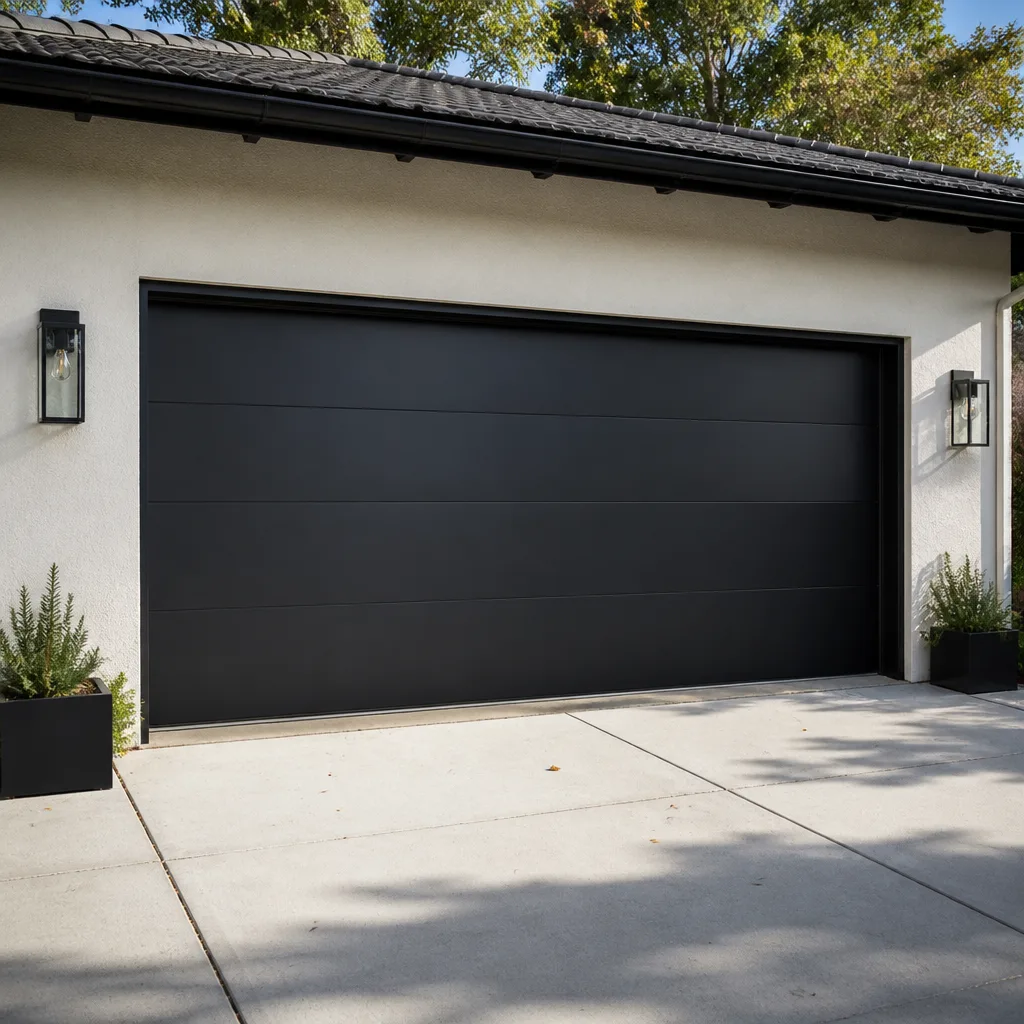 Modern flush
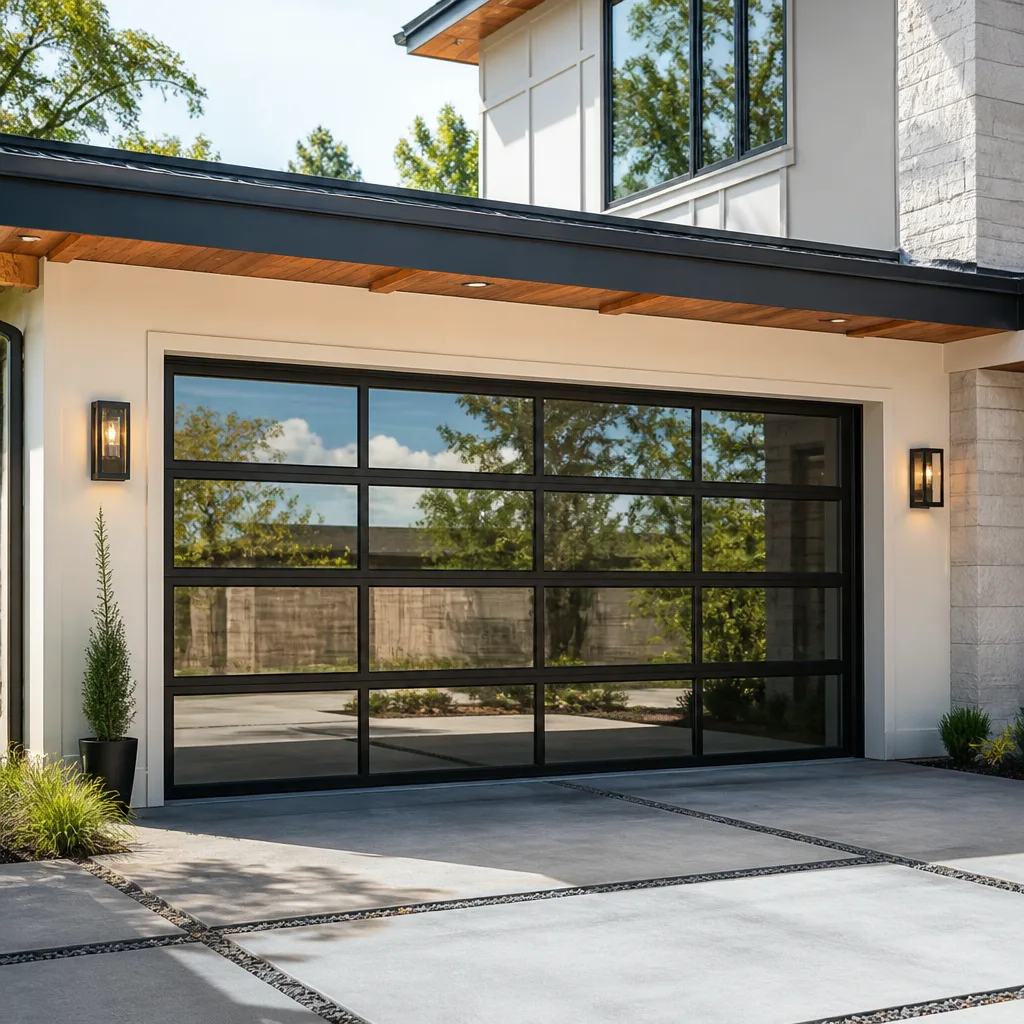 Full-view glass
 LiftMaster openers
 Chamberlain openers
Full 25-point door and opener safety check with every visit - springs, cables, rollers, tracks, and your LiftMaster or Chamberlain opener included
You get a price before we start. It does not change when the pro arrives.
Get your free estimateGarage Door Warning Signs: A White Plains Homeowner’s Reference Guide
A garage door that hesitates for two seconds before it closes isn’t being slow. It’s telling you the photo-eye is misaligned or the opener is drawing too much current, and both problems have a repair window before they turn into a door that won’t move at all. Nearly every failure we’re called out to in White Plains announces itself weeks in advance. The trouble is that homeowners get told to listen for “unusual noises” without anyone explaining what each sound points to or how fast it needs attention. This guide fixes that. You’ll get a symptom-to-cause map, a five-minute inspection you can run yourself, and a clear line between “schedule this” and “stop using the door today.”
Quick Answer
The most common garage door warning signs are grinding or popping sounds (worn rollers or a failing torsion spring), a door that reverses before it touches the floor (photo-eye or travel-limit problem), a door that lifts a few inches and stops (broken spring or binding track), and visible gaps, sagging panels or loose hardware. In White Plains, most of these show up on a predictable schedule tied to the freeze-thaw cycle and to the older housing stock around the downtown and Highlands. Treat any of the spring-related signs as urgent and the cosmetic ones as a scheduling matter.
Styles & brands we work with
- Raised-panel steel
- Carriage house
- Modern flush
- Full-view glass
- LiftMaster openers
- Chamberlain openers
Table of Contents
- What Each Sound Is Telling You
- Visual Signs, Sorted by Urgency
- Reading a Torsion Spring Before It Fails
- Decoding Opener Behavior
- The Five-Minute Pass/Fail Inspection
- Why White Plains Weather Ages Doors Faster
- Common Mistakes to Avoid
- When to Call a Professional
What Each Sound Is Telling You
A garage door is a mechanical system with maybe a dozen moving parts, and each one has a distinct complaint. Learning to separate them saves you both guesswork and money. Here’s how we sort the four sounds we hear most often.
Grinding
Grinding almost always traces to steel rollers that have lost their bearings. A sealed bearing should spin quietly for years; once the grease inside dries out, metal grinds on metal and the sound travels through the whole frame. Worn rollers also throw the door slightly off its plane, which then loads the opener unevenly. Left alone, grinding rollers chew into the track. On a door that’s more than a decade old in White Plains, this is the single most common noise we trace.
Popping or a Loud Bang
A sharp pop from above the door’s center is a torsion spring letting go. If you hear a bang and the door won’t lift, stop. Don’t try the opener again. A door with a broken spring should be treated as unsafe to operate until someone looks at it.
Squealing
High-pitched squealing usually comes from a dry hinge, a dry roller stem, or the torsion shaft riding dry in its bearing plates. This one is often the least urgent, but it’s also the one homeowners ignore until it becomes grinding. A little lubrication at the right points handles most squeals, though it won’t fix a bearing that’s already worn.
Rattling
Rattling is loose hardware: hinge bolts that have backed out, a strut that’s working free, or a bottom bracket that’s come slightly loose. It’s rarely dangerous by itself but it accelerates wear on everything it touches. If the rattle is louder on one side, look at that side’s track and roller carrier first.
If you’re hearing grinding that’s turned into a door that barely moves, that’s the point where garage door repair stops being optional.
Visual Signs, Sorted by Urgency
What you can see is often more reliable than what you can hear. The trick is knowing which visible problems need a same-day call and which can wait for a scheduled appointment. Here’s the split we use.
Stop Using the Door Today
- A visibly broken spring (a clean gap in the coil)
- A door hanging crooked, with one side higher than the other
- Cables that are frayed, kinked, or slack on one side
- Panels that have separated from the stiles
- A track that’s bent so badly the roller has jumped out
Each of these means part of the door’s weight is being carried by something not built for it. Running the opener risks the door coming down hard or a panel folding. Call us and we’ll talk you through shutting the door down safely.
Schedule Within the Week
- Rollers that are cracked, flat-spotted or visibly worn
- A door that touches the floor unevenly
- Weatherstripping that’s torn or hardened
- Scrapes and paint failure along the bottom panel
These don’t threaten anyone. They do get worse faster in a cold snap, so the week you notice them is a good week to book.
Watch and Note
- Minor dents on a lower panel
- A small amount of surface rust on steel hardware
- A slight rattle that goes away once the door is up
Write down when you noticed it and check again in a month. If the list is growing, that’s your cue to have someone look.
Reading a Torsion Spring Before It Fails
Torsion springs fail on a predictable curve, and you can usually spot one that’s near the end without ever touching it. The rules below keep you out of range of the spring itself, which is critical: a torsion spring under tension holds enough stored energy to injure someone badly, and spring work is the one job we never recommend a homeowner attempt. Everything here is observation from a safe distance.
- Look at the coils from below, not the side. Stand back several feet and look up at the spring from a normal standing position. A spring with a visible gap between coils has lost tension and is near failure.
- Count the visible gap in the coil. A torsion spring should be wound tight with no daylight between coils. If you can see a sliver of light between any two coils at rest, that’s a symptom worth a call.
- Note rust on the coil. Rust on the wire itself is a wear signal. It’s a sign the spring has been working in moisture and has likely cycled past its design life.
- Watch the door’s travel. A door that used to lift smoothly but now lifts in jerks, or that lifts only partway, is loading a spring that’s giving out.
- Check the paint at the spring anchor. Fresh cracked paint at the anchor plate or a spring that appears to have shifted off its mark is a sign the assembly has been under strain.
A matched pair of springs usually fails close together, so we recommend replacing them as a pair even if one lets go first. Our technicians have up to 11 years of experience with torsion systems, and if you’re hearing the telltale pop on a door with an Amarr or Wayne Dalton setup, we can usually identify the right replacement from the door’s model plate. That’s exactly what garage door spring repair is built for.
Decoding Opener Behavior
An opener that behaves oddly is usually telling you one of three things: the door is heavier than it used to be, the opener’s circuitry is degrading, or its safety sensors are confused. Distinguishing which one saves you from paying for an opener that isn’t the problem.
Slow Lift
If the door rises more slowly than it used to but the motor doesn’t sound strained, the opener’s motor capacitor or control board is likely fading. If the motor sounds labored and the door moves heavily, the door’s springs or rollers are the issue, not the opener. That’s a distinction worth getting right before you replace anything.
Hesitation Before Moving
A two- or three-second pause between the opener’s click and the door’s movement is a sign the opener is not getting a clean signal, drawing excess current, or its logic board is starting to fail. A brief hesitation is one of the earliest signs a LiftMaster or Chamberlain unit is on its way out.
Reversal Mid-Travel
A door that starts down, then reverses halfway, is reading a false obstruction. The photo-eye is misaligned, dirty, or has moisture in its housing; occasionally the travel limit is set wrong. Cleaning the lens and checking the alignment against the opposite sensor is the first thing to try, and if it still reverses, the sensor or logic board needs attention.
Opener Runs but Door Doesn’t Move
You’ll hear the motor spin and the chain or belt not travel. That’s a stripped gear, a broken belt, or the trolley disconnected from the carriage. That’s a mechanical problem inside the opener, not the door, and it needs garage door opener repair. Our technicians work on LiftMaster, Chamberlain, Genie, and Craftsman systems, from older screw drives to modern Wi-Fi-connected units.
The Five-Minute Pass/Fail Inspection
This is the check we’d run on our own door. Five minutes, no tools beyond a rag, and it surfaces most of the pre-failure conditions behind the calls we get in White Plains.
- Listen while the door runs. Stand inside the garage and run the door up and down once. You’re not diagnosing; you’re flagging. Any sound that isn’t smooth and even is a note to keep.
- Watch the door’s travel. Does it move in a straight line, or does one side lag or wobble? Note which side.
- Check the spring from below. Look up at the spring from a few feet back. Any visible gap in the coil is a fail.
- Test the safety reverse. With the door on its way down, wave a hand in front of the photo-eye lens. The door should reverse immediately. If it doesn’t, or if it only reverses after you remove your hand, they need aligning.
- Test the pressure reverse. Place a two-by-four flat on the floor in the door’s path and let the door meet it. The door should reverse on contact. If it pushes down hard before reversing, the opener’s force setting is too high.
- Look at the bottom seal. Stand outside and look under the door. Any visible light at the base means the door isn’t closing evenly or the seal is worn.
A door that passes all six is in good shape. Any single fail means it’s time to schedule a service call. Call (844) 484-7501 for a free estimate, and we’ll tell you honestly whether it’s a fix or a wait.
Why White Plains Weather Ages Doors Faster
The garage door in White Plains takes a beating most garage doors don’t. The region runs through a hard freeze-thaw cycle every winter, and that cycle is the single biggest factor in how fast a door’s moving parts wear.
Cold contracts steel. Warm expands it. Between November and March, a door goes through that expansion and contraction dozens of times. Springs lose a small amount of their tension, hinges loosen slightly, and the wood or steel tracks shift a fraction of an inch. Those fractions add up. On older homes around the Highlands and Battle Hill, where doors have been in service for decades, the accumulated shift is one reason hardware gets so loud by late winter.
Moisture is the other factor. White Plains gets enough rain and enough summer humidity to keep steel hardware in a slow rust cycle. A garage that’s not conditioned holds the moisture in, and that moisture reaches every hinge, roller stem, and spring coil. A door that’s quiet in October can start grinding by February, and the two are usually the same underlying wear showing itself differently by season.
If your door is on the older side around any of the downtown White Plains blocks, take the audible and visible signs seriously. Repairs caught in autumn last longer than the same repairs caught in the middle of a January cold snap.
See the difference
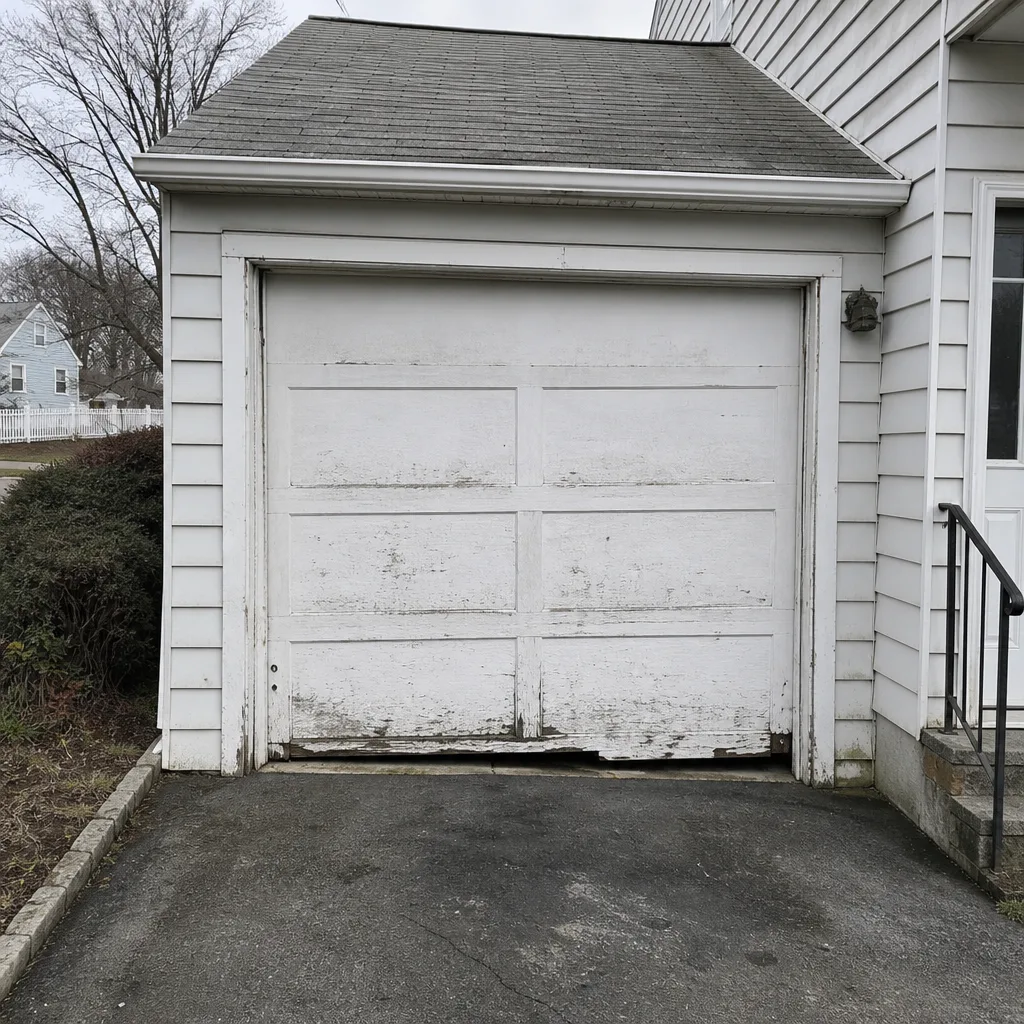 Before
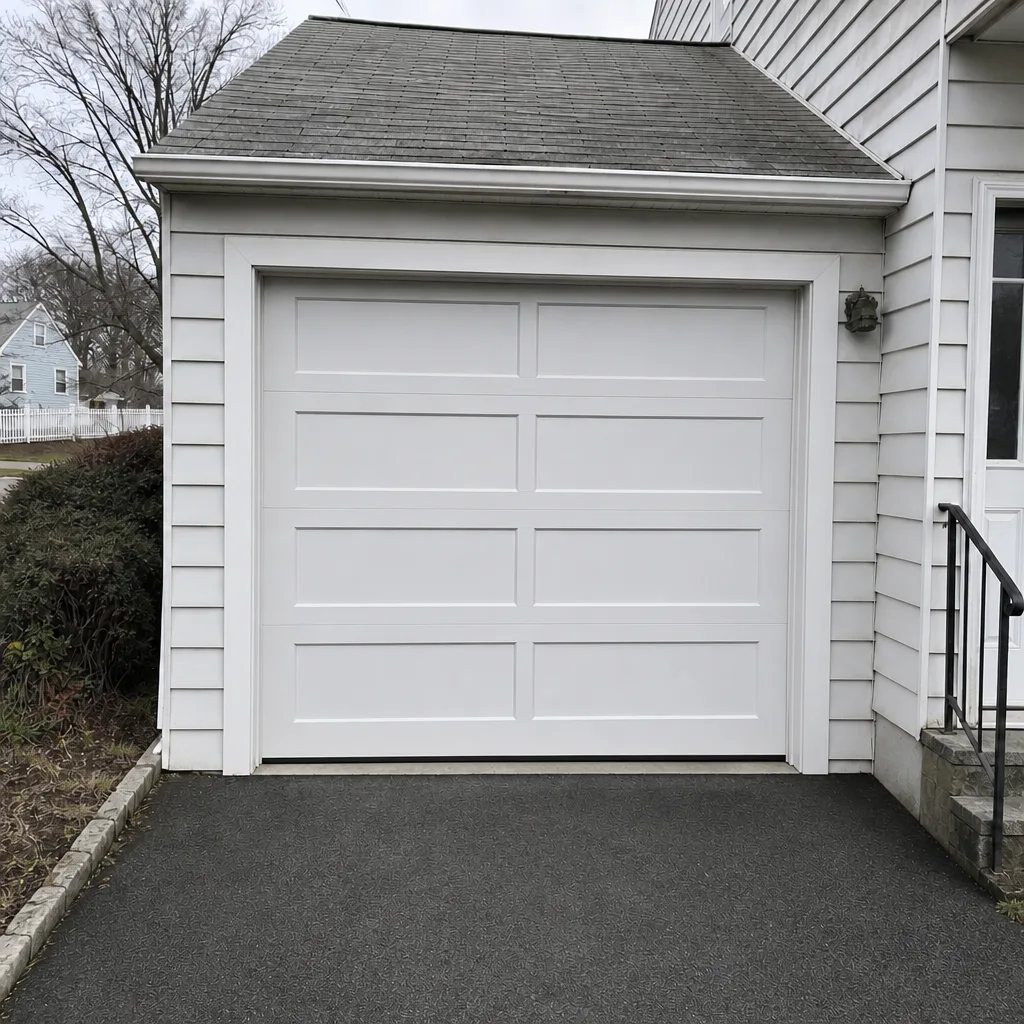 After
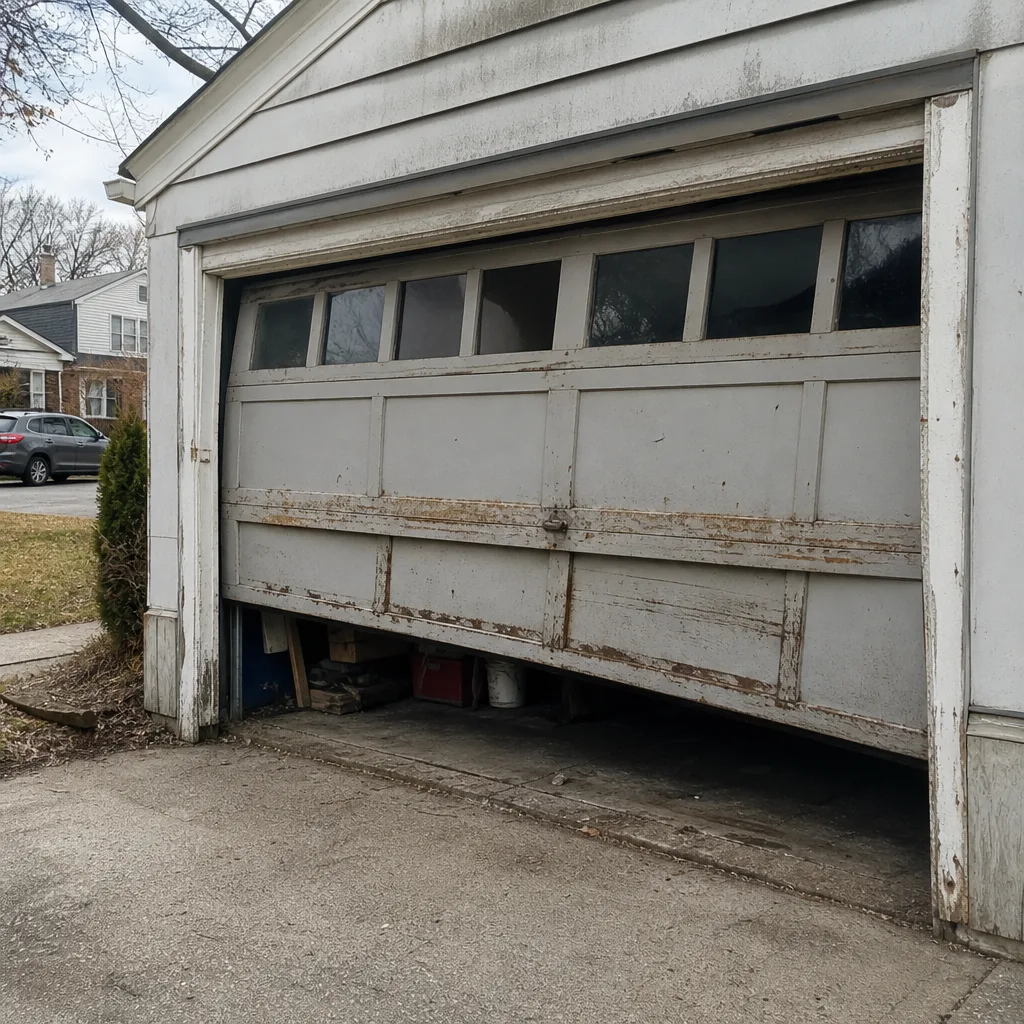 Before
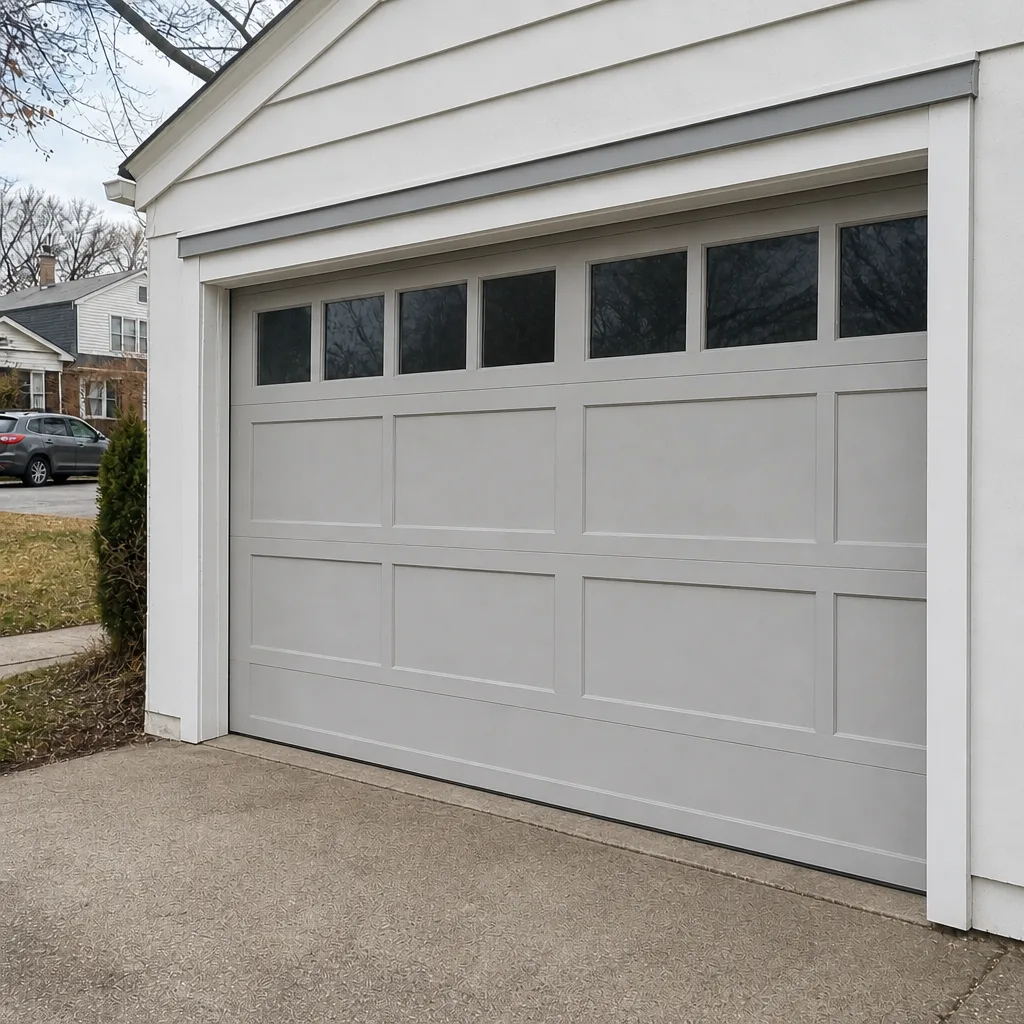 After
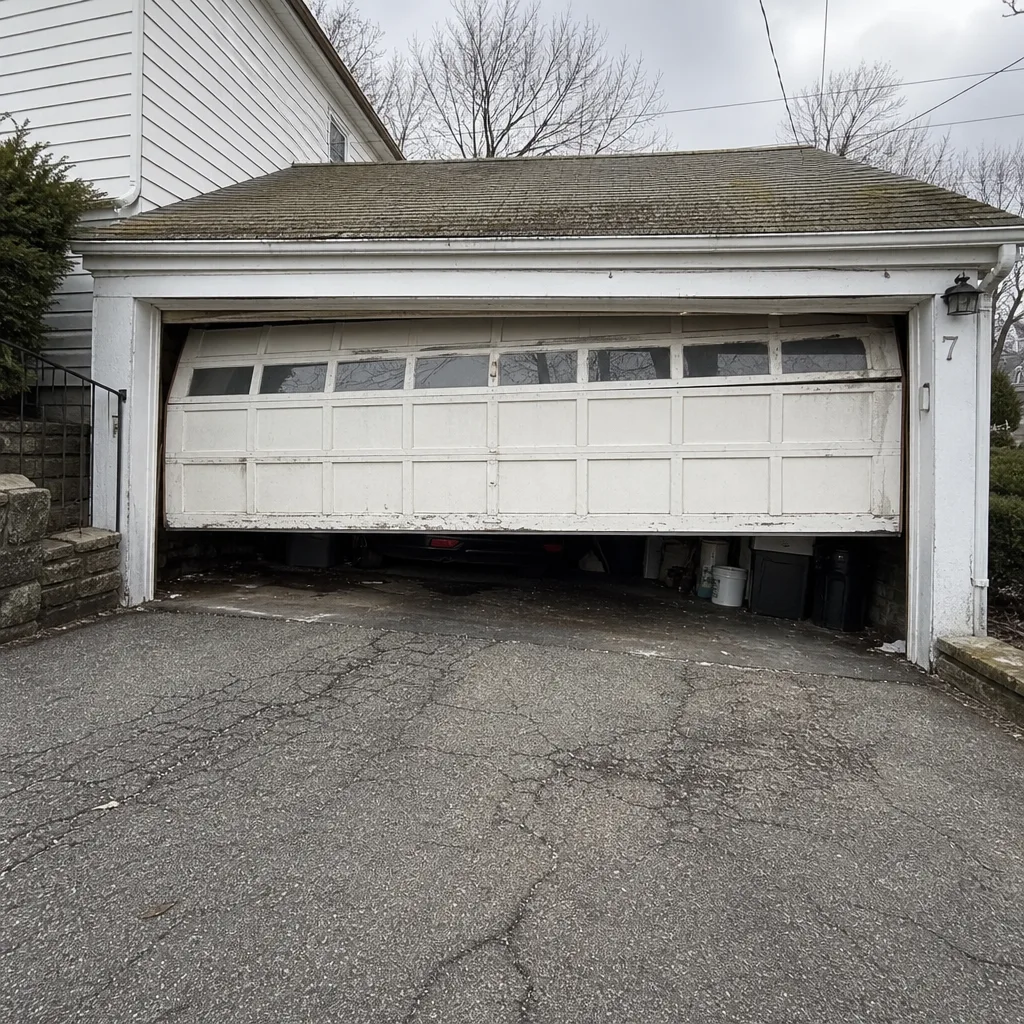 Before
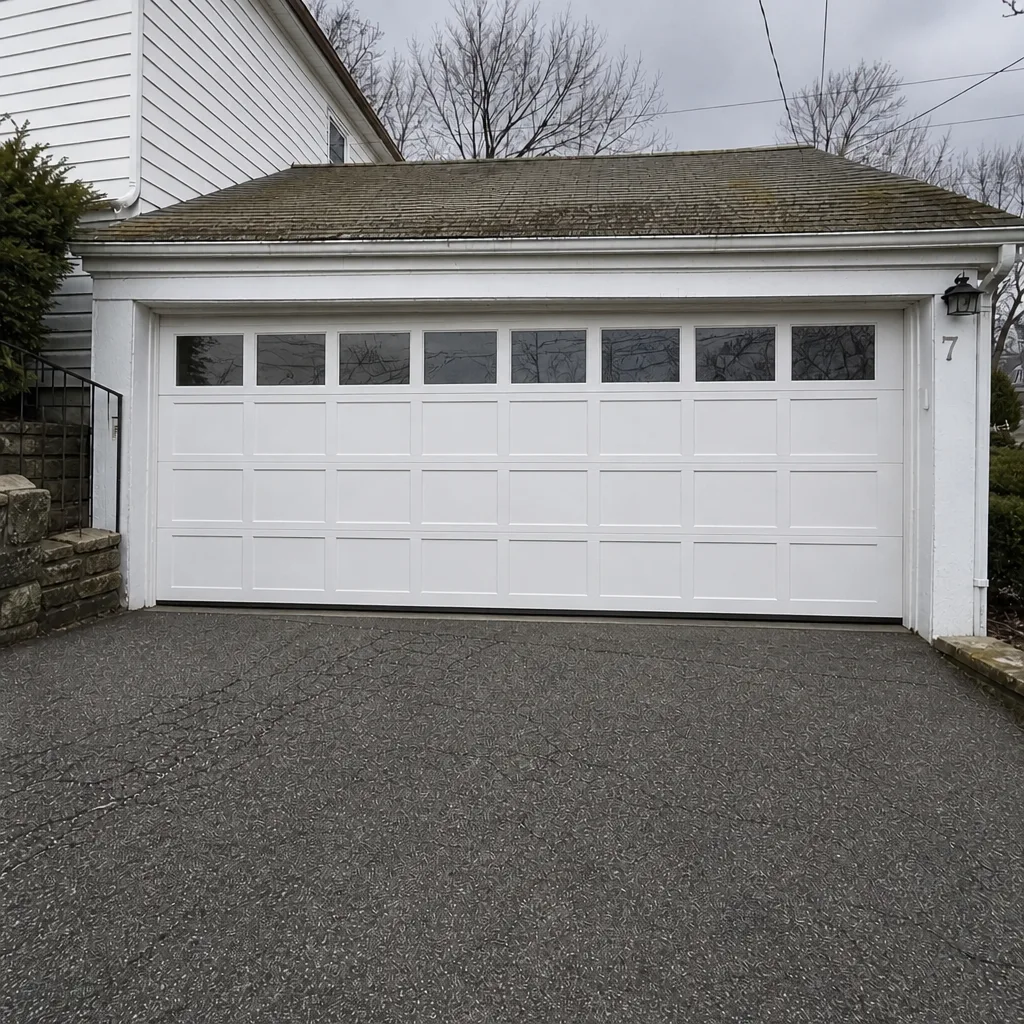 After
Common Mistakes to Avoid
- Ignoring a slow lift as “just age.” A door that’s gotten measurably slower is telling you something specific is wearing. Age explains a lot of things, but a change in speed is a symptom. Any opener or spring component that’s fading is best caught before it fails.
- Replacing the opener when the spring is the problem. A strained motor means the door is too heavy to lift. New openers don’t fix heavy doors, and putting a new opener on a failing spring just breaks the new opener too.
- Using “the door closed on command so it’s fine” as a test. A door can close on command and still be a hazard if the safety reverse isn’t working. Test the photo-eye and pressure reverse separately, not just the command function.
- Lubricating a torsion spring. A torsion spring needs grease on the shaft, not on the spring itself. Oiling the coil changes nothing and lets the homeowner talk themselves out of looking for a real gap. Leave spring maintenance to a technician.
- Trying to adjust a roller that has jumped the track. Getting a roller back in a bent track without unloading the door is where most homeowner injuries happen. Park the door, call a technician, don’t force it.
- Waiting for the second spring to fail. Springs on a matched pair fail close together. If one has broken, replace both, or you’ll be scheduling the same repair in a few months.
- Not noting when a change started. A symptom that’s been there three days is different from one that’s been there three months. Write down when you first noticed it; that detail alone shapes most repair decisions.
When to Call a Professional
Call us for a free estimate if any of these is true: you heard a pop and the door won’t open, the door hangs crooked, a cable looks frayed or slack, the door reverses before it touches the floor, the opener hums but the door doesn’t move, or you’re seeing visible gaps in the spring coil. Spring and cable problems are the ones we treat as urgent, because the stored energy in that assembly doesn’t go away on its own. If your five-minute inspection fails on the safety reverse or on a visibly worn spring, don’t run the door again until someone’s looked at it. Our technicians have up to 11 years of experience with spring and opener work, and we’re trained across LiftMaster, Chamberlain, Genie, Clopay, Amarr, Wayne Dalton, Craftsman, and Raynor products, so a call on your brand is a call we can take. Garage Door Repair White Plains offers free estimates in White Plains, and every price you get is quoted and agreed before any work starts. Call (844) 484-7501. We answer 24/7. Fast dispatch from 7am to 7pm, Sunday through Friday.
Frequently Asked Questions
A visible gap in the spring coil, seen from below at rest, is the most reliable early sign. Other signals include a door that lifts in jerks, a door that won’t lift past halfway, and rust on the coil wire. Any of these warrants a call before the spring lets go. Call (844) 484-7501 for a free estimate.
Yes, or at minimum a check of the photo-eye alignment. A door that reverses early is reading a false obstruction, usually a dirty or misaligned sensor, and the safety function that isn’t working could be the one that fails when it matters. Call (844) 484-7501 for a free estimate.
The sound’s location tells you. Grinding and popping from the door’s tracks or spring is the door. A hum or whine from the motor housing with no door movement is the opener. If you can’t sort it out, describe what you hear and we’ll walk you through it. Call (844) 484-7501 for a free estimate.
It depends entirely on the component. Rollers and hinges are typically the cheapest fixes, opener replacement runs higher, and spring repair is priced separately because it involves the most mechanical risk. Our estimate is free and the price is quoted and agreed before any work starts, so you’ll know the number before we start. Call (844) 484-7501 for a free estimate.
No, unless the door is stuck open or blocking access. A broken spring is a safety issue, not a midnight emergency; shut the door down and schedule. If the door is stuck open, or if a panel is hanging, call us, and we’ll talk you through getting it stable. We answer 24/7. Fast dispatch from 7am to 7pm, Sunday through Friday.
Not from the quote you accept. We inspect, quote, and then you agree on a price. If we find something additional, we tell you before touching it and the decision is yours. Call (844) 484-7501 for a free estimate.
The Bottom Line
Garage doors fail slowly, in a predictable sequence, and almost every warning sign is visible or audible weeks before the door stops working. The sounds you can’t explain, the two-second hesitation before closing, the small gap in the spring, the door that touches the floor unevenly, all of these are the door telling you exactly what’s about to go. Take five minutes to run the pass/fail check once a season, write down anything that changes, and call before the door goes down for good. For a Garage Door Repair White Plains call you can trust to identify the problem and fix it right, our technicians have up to 11 years of experience with every major brand, and the estimate is always free.
Written by the team at Garage Door Repair White Plains.