
Last updated November 22, 2026
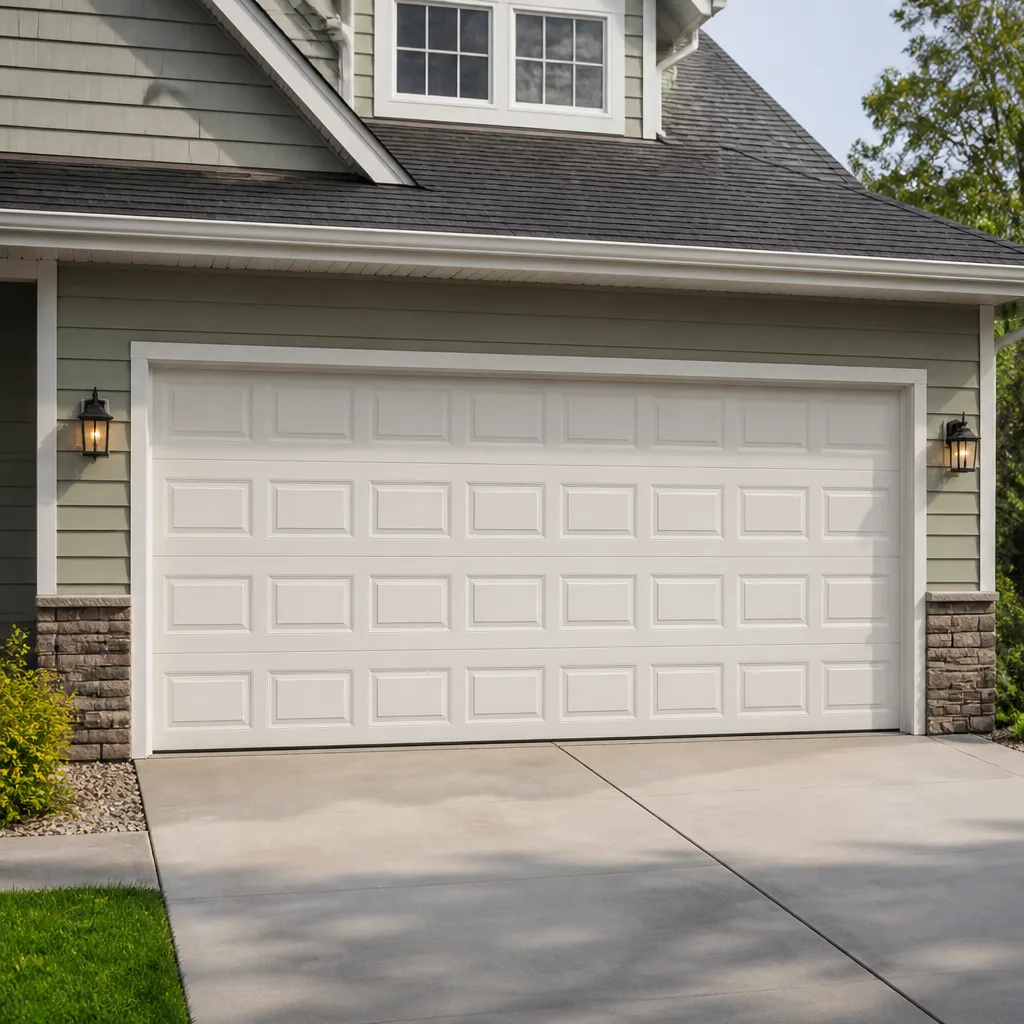 Raised-panel steel
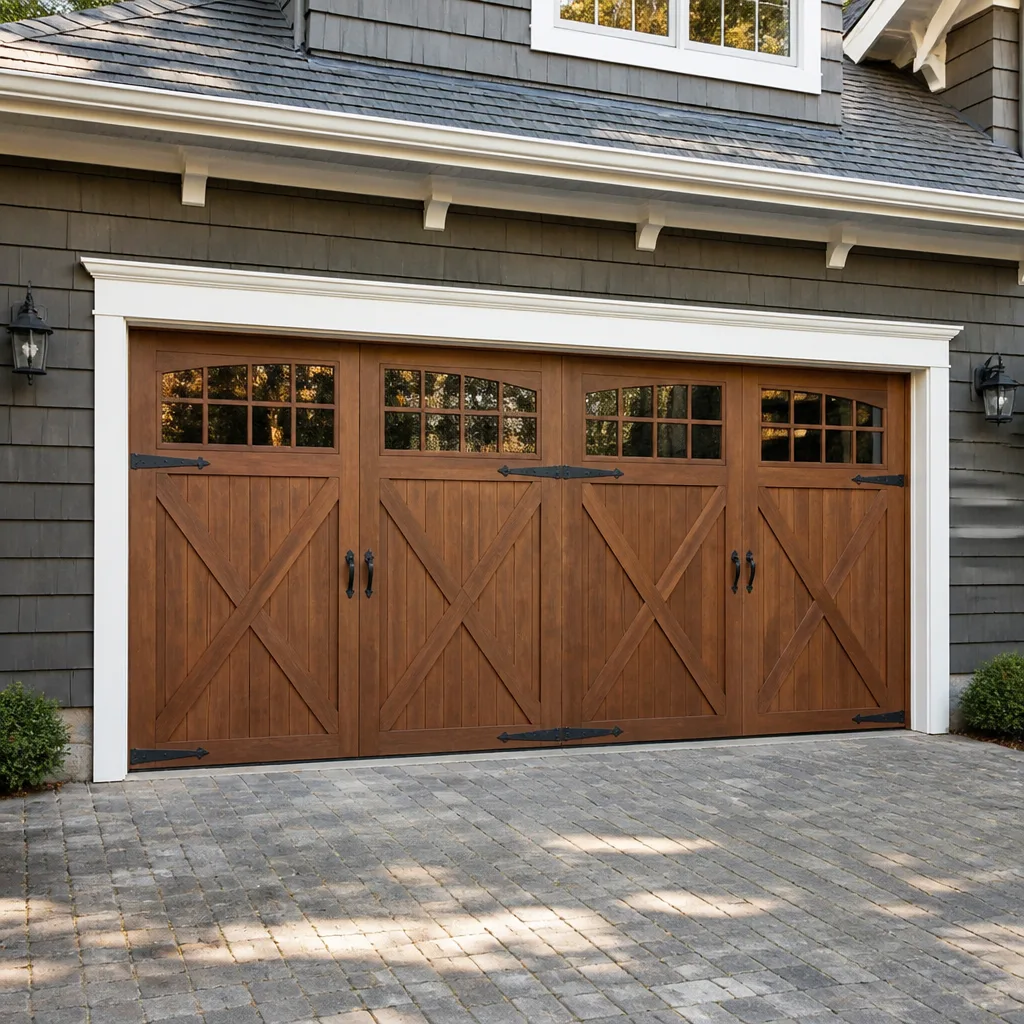 Carriage house
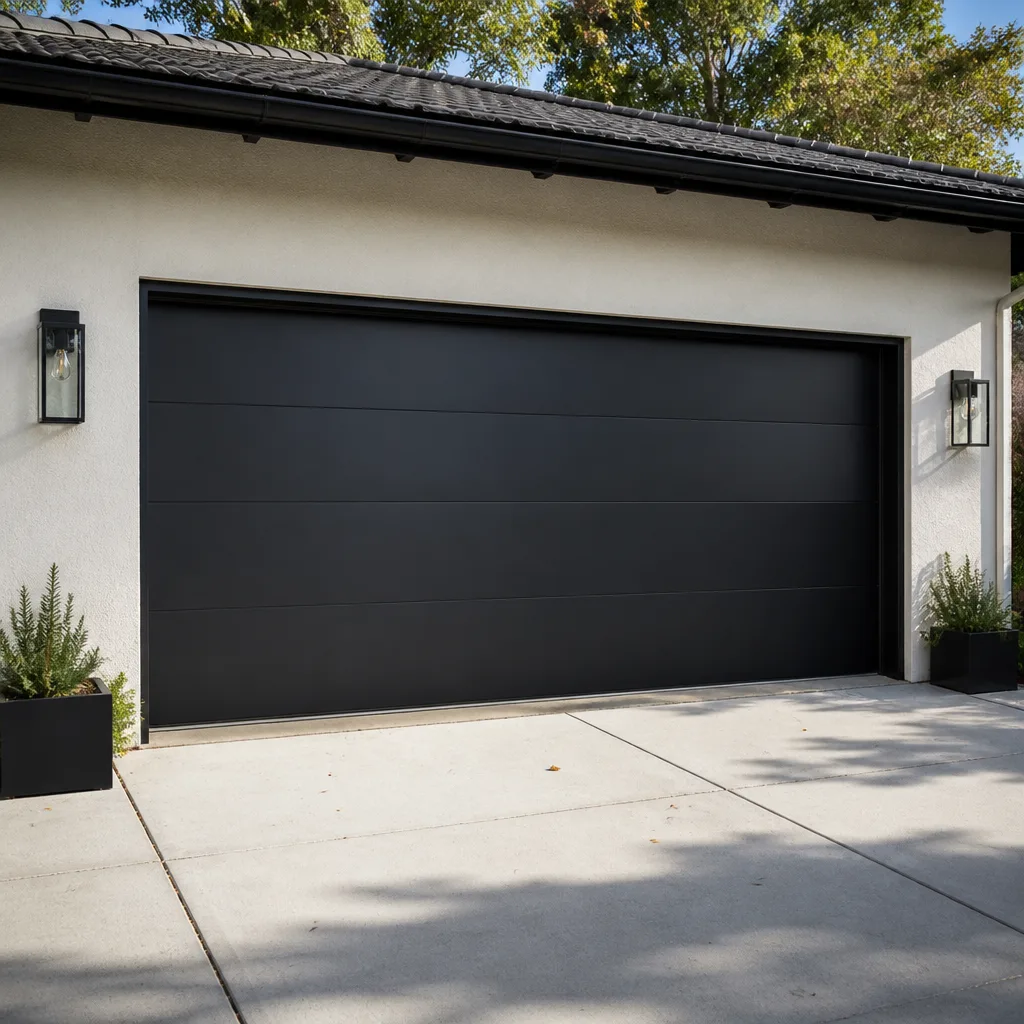 Modern flush
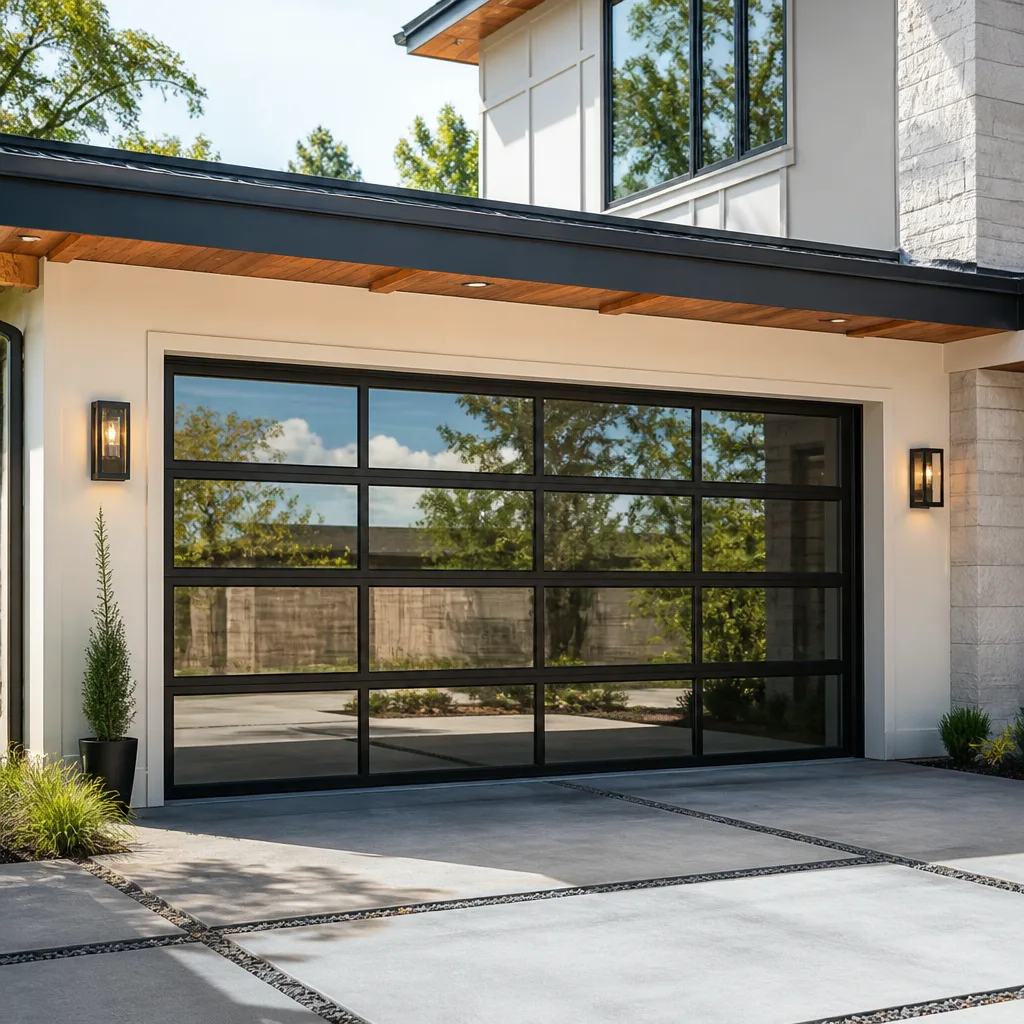 Full-view glass
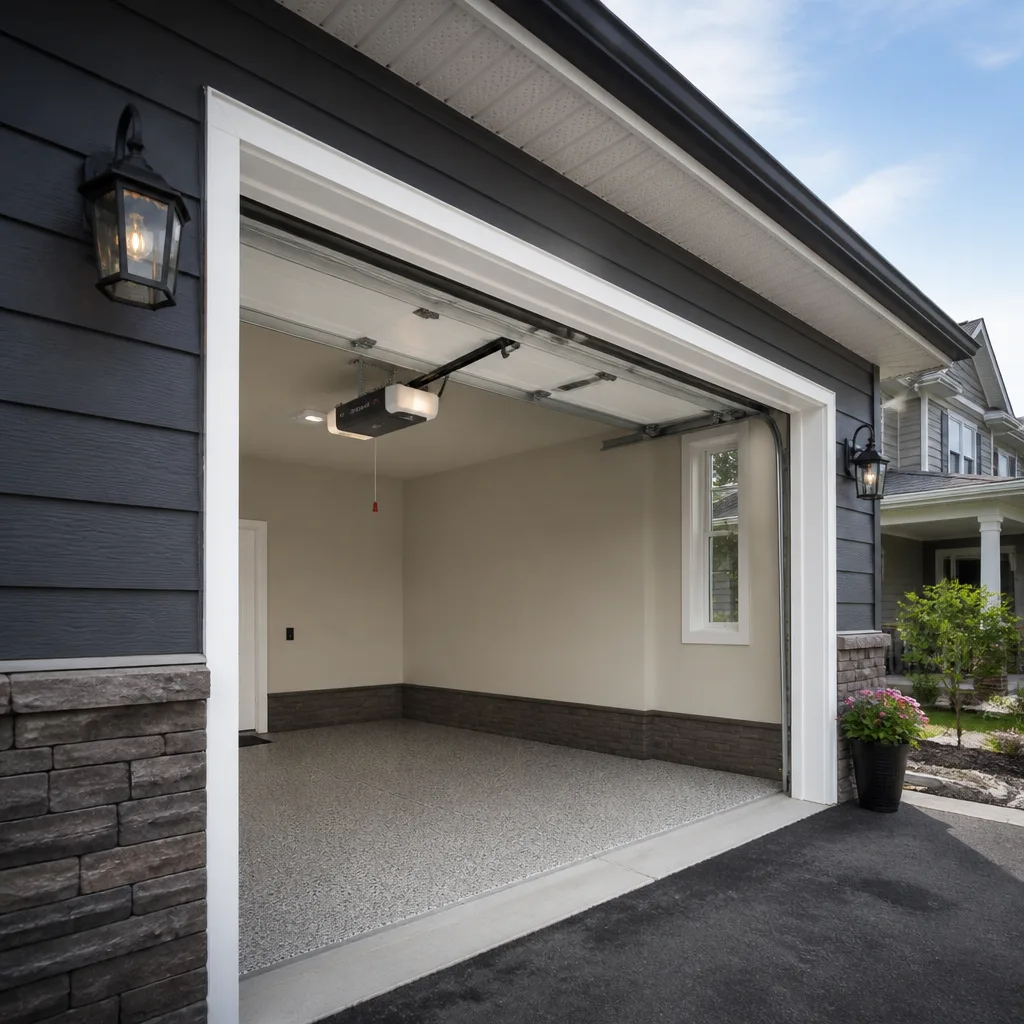 LiftMaster openers
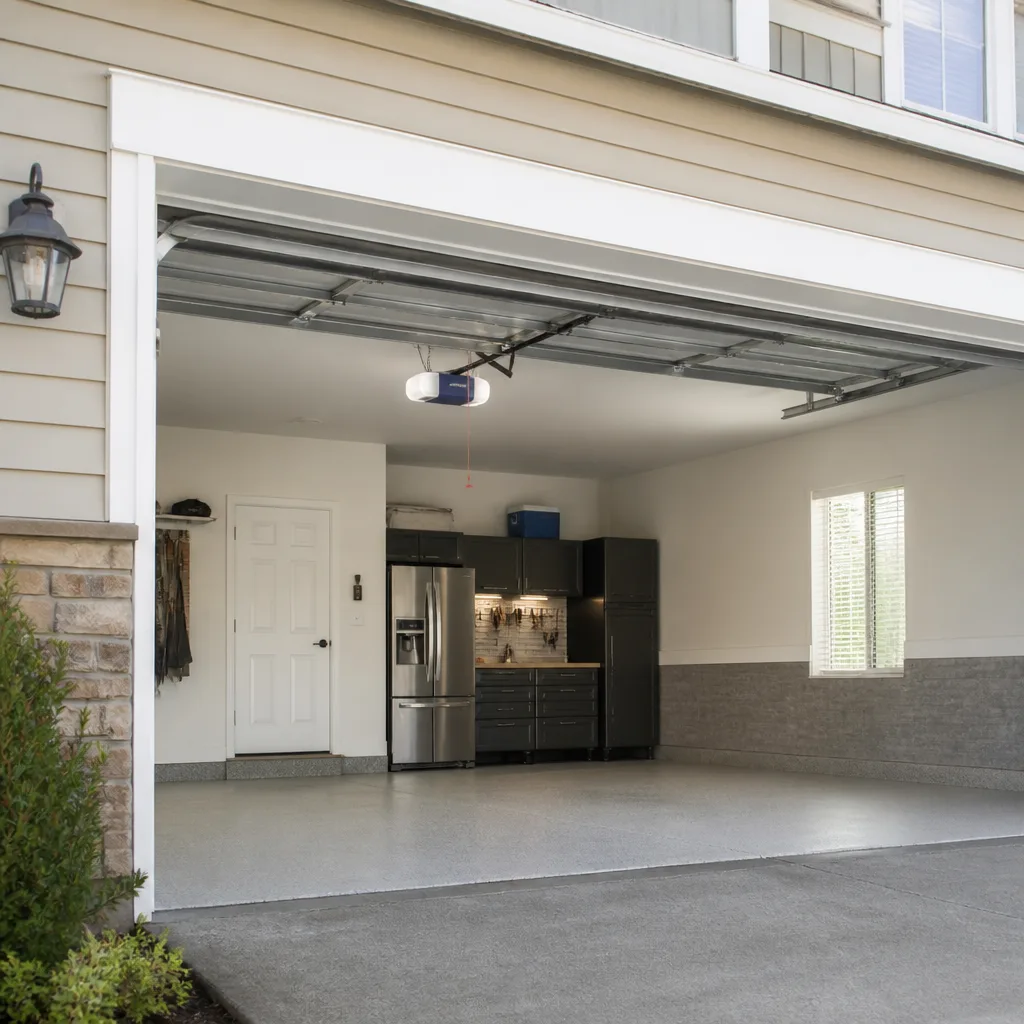 Chamberlain openers
Full 25-point door and opener safety check with every visit - springs, cables, rollers, tracks, and your LiftMaster or Chamberlain opener included
You get a price before we start. It does not change when the pro arrives.
Get your free estimateSeasonal Garage Door Care for White Plains: Year-Round Homeowner’s Guide
Most homeowners in White Plains think about their garage door twice a year: when it gets cold and when it stops working. That’s the wrong rhythm. The door takes its worst beating in the swing months – the muggy stretch from June through September and the freeze-thaw churn from December through March – and the damage quietly builds long before you notice a grinding noise or a door that won’t close all the way. A white vinyl door and an older wooden one age very differently in Westchester County’s humidity, and the adjustments that matter in July aren’t the ones that save you in January. This guide walks through every season, gives you a month-by-month task list built around White Plains temperatures, and shows you exactly what to check, what to leave alone, and when to call a professional.
Quick Answer
Seasonal garage door care in White Plains means four distinct checklists, not one: spring inspection after the freeze-thaw cycles, summer attention to humidity and opener sensitivity, a fall weatherstripping and bottom seal check before the cold sets in, and winter attention to spring tension as temperatures drop through the 15°F to 25°F range. The single most important rule is that springs, cables, and any high-tension hardware are checked by eye only – never adjusted or replaced as a DIY job. Most of the seasonal work you can do yourself in ten minutes; the rest belongs to a trained technician.
Styles & brands we work with
- Raised-panel steel
- Carriage house
- Modern flush
- Full-view glass
- LiftMaster openers
- Chamberlain openers
Table of Contents
- Why White Plains Garage Doors Age Differently
- Spring: What to Inspect After a Westchester Winter
- Summer: Humidity, Wood, and Opener Sensitivity
- Fall: The One-Time Weatherstripping Check
- Winter: Why Doors Fail Between 15°F and 25°F
- Month-by-Month Task Timeline for White Plains
- Common Mistakes to Avoid
- When to Call a Professional
Why White Plains Garage Doors Age Differently
White Plains sits in a climate band that punishes garage doors on both ends. Summer humidity along the Westchester County corridor is high enough to swell wooden panels and throw off track alignment. Winter brings repeated freeze-thaw cycles that work on cables, seals, and spring tension in ways a mild climate never does. A door that would last fifteen years in a dry, steady climate can develop real problems in half that time here – not because of bad hardware, but because of the swings.
The neighborhoods make a difference too. Homes in the Highlands and along Ridgeway tend to sit on sloped lots with doors facing north or east, which means they hold moisture and shade longer in summer and ice up more slowly in winter. Doors facing south or west on flatter lots in Gedney or Battle Hill dry out faster after rain but bake in July sun, which can warp the lighter-gauge steel doors we see on a lot of newer construction.
That’s the pattern most homeowners miss. They treat garage door care as a winter job because winter is when failures get dramatic. In our experience, the problems that show up in January were seeded in July. Here’s what to keep in mind:
- Aging is cumulative, not seasonal. Each freeze-thaw cycle nudges a spring a tiny bit further. Each humid week opens a gap in a wooden panel. You don’t feel it until something gives.
- Brand matters less than setup. A Clopay or Amarr steel door installed with the right spring tension will outlast a premium door set up wrong. If your door was spec’d for a different climate, the seasonal drift is worse.
- Opener electronics drift with temperature. A Genie or LiftMaster opener calibrated in February will run differently in August. That’s normal. What’s not normal is a door that reverses mid-travel or stops short.
For a broader look at what goes into keeping a door working all year, our Garage Door Repair White Plains resource covers the full system from opener to panel to hardware.
Spring: What to Inspect After a Westchester Winter
The three things worth inspecting in early spring are cable corrosion, bottom seal damage, and spring tension drift from repeated freeze cycles. You check all three by eye. You fix none of them by hand. This is the season where the damage a White Plains winter did to your door becomes visible, and where a ten-minute look can head off a much larger repair.
What to look for on the cables
Cables run along the sides of the door and take the tension load from the springs. After a Westchester winter, look for fraying near the drum, rust spots along the length, and any cable that’s sitting loose or off its drum. A cable that’s scratched or showing individual wire strands is past its service life. Do not touch it, do not try to re-seat it on the drum, and do not spray it with anything. Cables under tension release energy fast when they fail.
What to look for on the bottom seal
The bottom seal is the rubber or vinyl strip along the lower edge of the door. Winter drives grit, ice, and freeze-thaw into that strip, and by March you’ll often see cracks, a flattened profile, or a seal that’s pulled away from the retainer. Run a hand along the inside edge (door down, opener unplugged) and feel for gaps. A seal that’s torn or flattened lets water and cold air in all year, and it’s the single cheapest thing to replace.
Spring tension drift
Here’s where most homeowners need to be honest with themselves. Torsion and extension springs lose a little tension with every cold cycle. By spring, a door may be heavier to lift by hand, run louder, or fail to stay level when opened halfway. That drift is real, and it’s the reason spring repair is a core specialty for us. But you cannot safely adjust, wind, or replace a garage door spring yourself. The springs are under extreme tension. A mistake can cause serious injury. If your door feels heavier than it used to, or you hear a bang and the door stops lifting, that’s a call, not a project. Our garage door spring repair team handles the tension side safely.
Quick spring checklist
- Unplug the opener and confirm the door is fully down.
- Look at the cables on each side – fraying, rust, or off-drum is a stop.
- Check the bottom seal for tears, flattening, or separation.
- Lift the door about halfway by hand. It should feel balanced and stay put. If it slams or feels heavy, stop.
- Listen for grinding, popping, or a repeated bang when the door moves.
- Note anything off and call a professional.
Summer: Humidity, Wood, and Opener Sensitivity
Summer humidity in Westchester County causes more track warping and wooden door swelling than most homeowners attribute to heat. You blame the door. It’s the season. Between June and September, relative humidity along the White Plains corridor swings enough that a wooden door panel can swell a quarter inch or more in the frame, a steel track can move on its anchors, and an opener set up in February can start stopping short or reversing when it hits resistance that wasn’t there in the cold.
How humidity hits wooden doors
A wood or wood-composite door absorbs moisture through its edges and panel seams. In a humid July, that shows up as sticking, a door that’s harder to close, or a panel that’s visibly bowed. It reverses in the dry cold. The problem is that each swing stresses the finish, opens hairline cracks, and eventually lets in water that freezes in winter. If you have a wooden door, summer is when the finish matters most. A clean, sealed surface on the bottom two panels is worth more than anything you do in October.
Track alignment in the heat
Steel tracks are anchored to the frame at fixed points. A hot humid day expands the frame differently than the track, and on older homes in White Plains that’s enough to nudge a track out of plumb. You’ll hear it before you see it: a scrape, a shudder, or the door dragging on one side. Don’t bend the track back with a hammer or a pry bar – that’s a setup that ends with a door off its rollers. A technician can true the track and re-anchor it properly.
Opener sensitivity settings calibrated in winter
Openers like a Genie or a Wayne Dalton-compatible unit have a force sensitivity setting. It was set when the door was installed, often in cooler weather. When July hits and the door swells or the track moves, the opener can trip its safety reverse because it thinks it’s hit an obstruction. That’s the opener doing its job, not failing. The fix is not to crank up the force setting – that defeats the safety feature. The fix is to find and address the resistance. If your opener is doing anything odd, our garage door opener repair team can diagnose it.
Summer checklist
- Wipe down wooden door panels and re-seal edges if the finish is chalky.
- Listen for scraping or dragging when the door runs.
- Watch the door travel – it should run smoothly and stop evenly.
- Test the safety reverse: put a piece of wood under the door and confirm it reverses on contact.
- Leave the force setting alone unless a professional adjusts it.
Fall: The One-Time Weatherstripping Check
The weatherstripping and bottom seal check you do in the fall is the single job that determines how well your door performs all winter. Miss it, and you’ll spend January fighting drafts, ice, and a door that won’t close tight. Do it, and most of the winter problems simply don’t happen. This is also the season to check the top and side seals, not just the bottom.
What to check, and in what order
- Bottom seal. With the door down, check the seal on the outside for cracks, tears, or a gap against the floor. It should be compressed, not hanging.
- Side and top weatherstripping. Look at the strips along the jambs and header. They should sit flat against the door with no daylight visible when the door is closed.
- Threshold contact. The door should close on the floor with even pressure across the whole width. If one side gaps, the door is out of level.
- Track and roller contact. Rollers should sit in the track cleanly. If a roller is chewed up, the door will run rough and the seal will wear faster.
- Opener travel limits. Confirm the door closes fully without the opener stalling before the floor.
Why this is the fall job
Cold air finds a gap. Water finds the same gap, then freezes, then widens it. A torn bottom seal that lets a little air through in October is a frozen puddle under the door in January. Replacing seals and weatherstripping is a quick job that saves heat, water intrusion, and eventual panel damage. Replace any cracked or flattened seal before the first hard freeze in White Plains, which usually lands sometime in late November or early December.
Fall checklist
- Inspect the bottom seal and replace if cracked or flattened.
- Check side and top weatherstripping for gaps.
- Clean and lightly lubricate the tracks and hinges (not the springs or cables).
- Test the door balance by lifting it halfway by hand.
- Confirm the opener reverses when it meets an obstruction.
Winter: Why Doors Fail Between 15°F and 25°F
White Plains garage doors fail most often when temperatures drop through the 15°F to 25°F range. Not at zero, not at 32 – in that specific band. Below 15°F, rubber and plastics go hard and stiffen, which limits movement. Between 15°F and 25°F, everything is still moving, moisture is still present, and the freeze-thaw cycle is doing the most damage. Ice forms, thaws, re-forms, and pries at every seam. Cables stiffen. Lubricants thicken. Springs lose a little tension each cycle, and by mid-winter the door that ran fine in October takes real force to lift.
What happens to springs in this range
Torsion springs lose tension as the metal gets cold. Extension springs stretch differently. Either way, the door gets heavier to lift, the opener works harder, and the balance point shifts. Doors that were correctly spec’d for a White Plains winter hold up. Doors that were set up with margin on the lighter side can fail. The safest approach is to have a professional check spring tension before the cold settles in. Do not try to adjust it yourself – the springs are the most dangerous component in the whole system, and a mistake can hurt you badly. Our spring team handles this as a routine pre-winter tune-up.
Why you should not just crank up the opener
When the door gets heavy in January, the instinct is to boost the opener’s force setting. Don’t. A LiftMaster or Chamberlain opener with the force setting maxed will pull a binding door until something breaks – usually a panel, a hinge, or a spring. The right move is to find the cause of the resistance (usually a tight spring or a stiff seal) and fix that. If your door is struggling in cold weather, the problem is the door, not the opener.
Winter checklist
- Confirm the bottom seal sits tight against the floor. Ice intrusion starts there.
- Keep the door track clear of snow and ice (use a broom, not a tool).
- Run the door once a week so seals and springs don’t seize.
- If the door gets noticeably harder to lift by hand, call for a spring check.
- Leave the opener force setting alone. Address resistance instead.
Month-by-Month Task Timeline for White Plains
The task list below follows White Plains average temperature ranges through the year, not a generic national climate zone. The specific tasks are timed to the swings this area actually gets.
January – February (typical 20s to 30s°F)
- Run the door once a week to keep seals and springs from seizing.
- Keep tracks and thresholds clear of ice.
- Watch for a door that’s harder to lift – a sign of spring tension loss.
- Do not adjust springs yourself. Call if the door feels unbalanced.
March – April (typical 35s to 55s°F)
- Inspect cables for rust and fraying after the winter.
- Check the bottom seal for cracks and freezing damage.
- Note any grinding or popping sounds – a spring or roller issue.
- Book a spring check if the door didn’t run cleanly over the winter.
May – June (typical 60s to 75s°F)
- Clean and re-seal wooden door panels before the humid stretch.
- Check track alignment – listen for scraping or dragging.
- Test the safety reverse.
- Confirm the opener isn’t stopping short or reversing unnecessarily.
July – August (typical 75s to 85s°F, high humidity)
- Watch for swelling on wooden or composite doors – sticking and bowing.
- Listen for the door dragging on one side (track drift).
- Test opener sensitivity, but don’t crank the force setting.
- Look at the bottom seal again – summer heat can soften and flatten it.
September – October (typical 55s to 70s°F)
- Inspect and replace the bottom seal before the cold.
- Check side and top weatherstripping for gaps.
- Lubricate tracks, hinges, and rollers (not springs or cables).
- Confirm door balance and opener travel limits.
November – December (typical 30s to 50s°F)
- Have spring tension checked before the freeze sets in.
- Confirm the door closes tight on the floor with even pressure.
- Schedule any opener or hardware repair before the hard cold.
- Watch for the first stuck-door symptoms as temperatures drop.
For a full breakdown of the parts that wear across these seasons, our garage door repair overview is a good companion to this timeline.
Common Mistakes to Avoid
Here are the mistakes we see most often in White Plains, and what to do instead. Every one of them is avoidable with a little attention at the right time of year.
- Fixing a winter problem in winter. A door that fails in January usually needed attention in October. The seals and springs that fail in the cold are the ones that were already worn in the fall. Check them before the freeze, not after.
- Cranking up the opener force setting. When a door gets heavy in cold weather, boosting the opener force pulls a binding door until something breaks. The fix is to address the resistance – usually a stiff spring or a binding track – not to overpower it.
- Ignoring summer humidity on wooden doors. Homeowners in White Plains blame the door for sticking in July when it’s the season. Re-sealing the finish and checking panel gaps before the humid stretch prevents the winter damage that follows.
- Trying to lubricate or “fix” springs and cables. Do not spray springs with anything, do not re-seat a cable on its drum, and do not attempt to adjust tension. These parts are under extreme tension and need a trained technician.
- Bending a track back into place with a hammer. A track that’s out of line in July will get worse if you freehand it. Track adjustments need the right tools and a plumb check.
- Skipping the fall weatherstripping check. It’s a ten-minute job that saves heat, water intrusion, and panel damage. Most winter drafts trace back to a seal that was already torn in October.
- Waiting until the door won’t open at all. A door that’s running louder or heavier is telling you something. A seasonal check catches the small problems before they become a stuck door on a cold morning.
When to Call a Professional
Some jobs belong to you: inspecting seals, checking for gaps, cleaning tracks, testing the safety reverse, and re-sealing a wooden door. But several jobs need a professional, and it’s worth knowing which ones so you don’t waste a weekend or hurt yourself.
Call a professional if any of these come up:
- The door feels noticeably heavier to lift, or won’t stay level halfway up.
- You hear a bang and the door stops lifting – a spring has likely failed.
- A cable is frayed, rusted, or off its drum.
- The door comes off its rollers or one side drops.
- The opener reverses or stops without an obstruction.
- The door is badly out of level after a season of temperature swings.
- You want a pre-winter spring check before the cold sets in.
Garage Door Repair White Plains offers free estimates in White Plains – call (844) 484-7501. We answer 24/7. Fast dispatch from 7am to 7pm, Sunday through Friday. We’re closed Saturday. Our technicians have up to 11 years of experience and work on the brands you actually have, from Genie openers to Clopay and Amarr doors. When you call, we’ll set a written estimate before any work starts.
See the difference
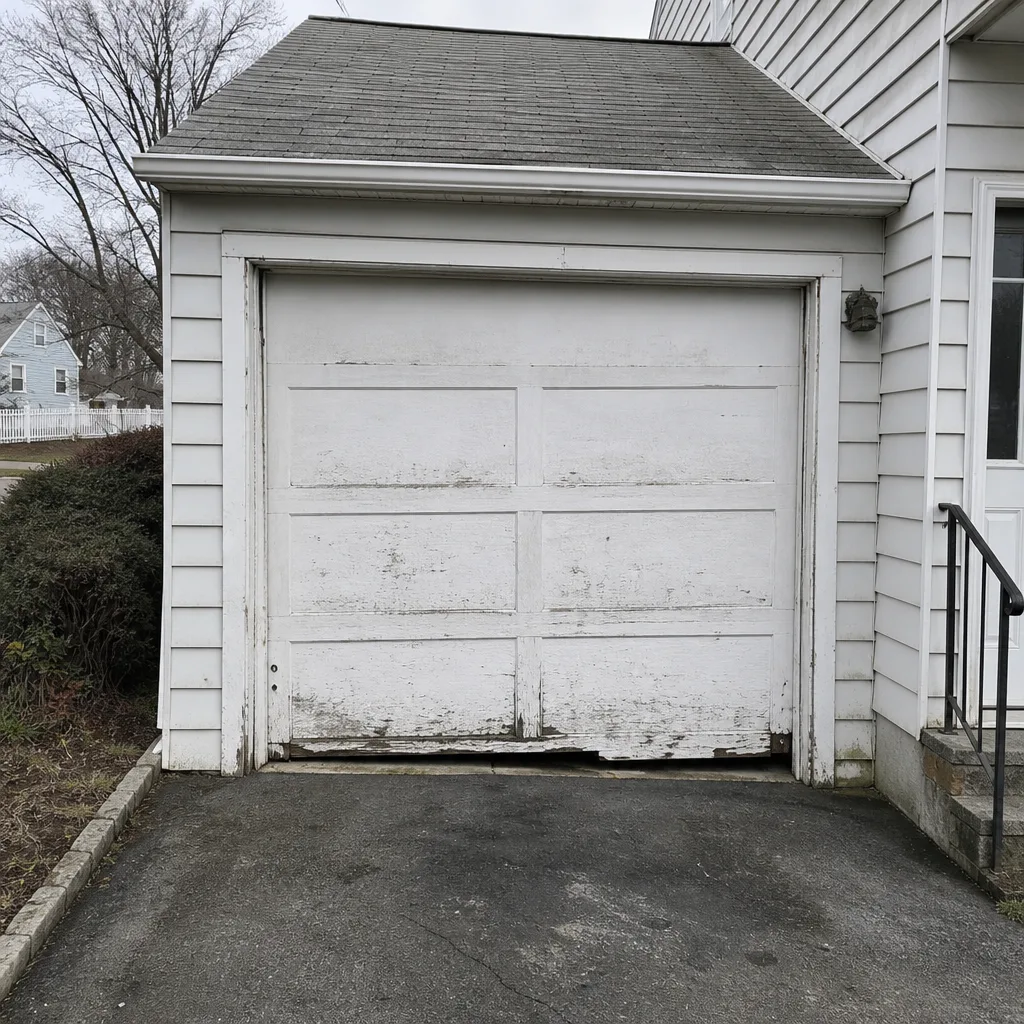 Before
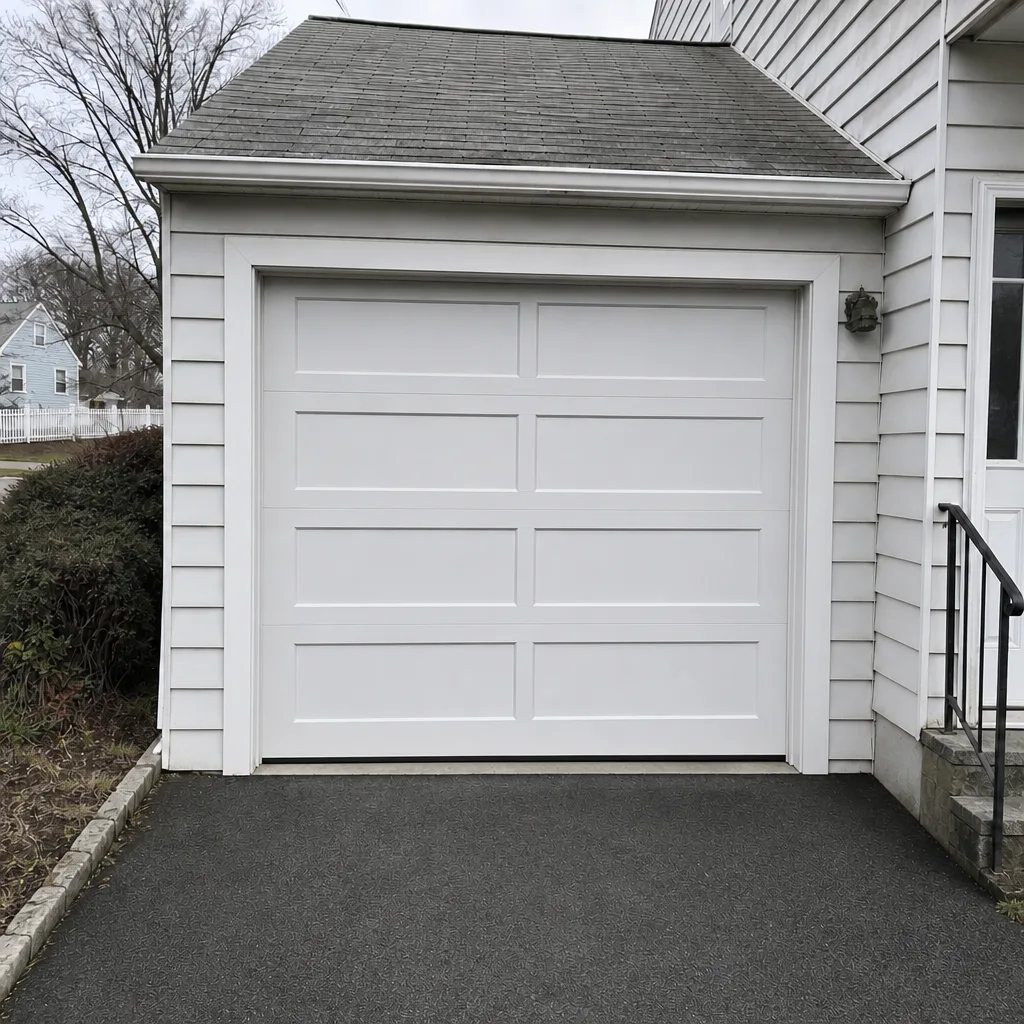 After
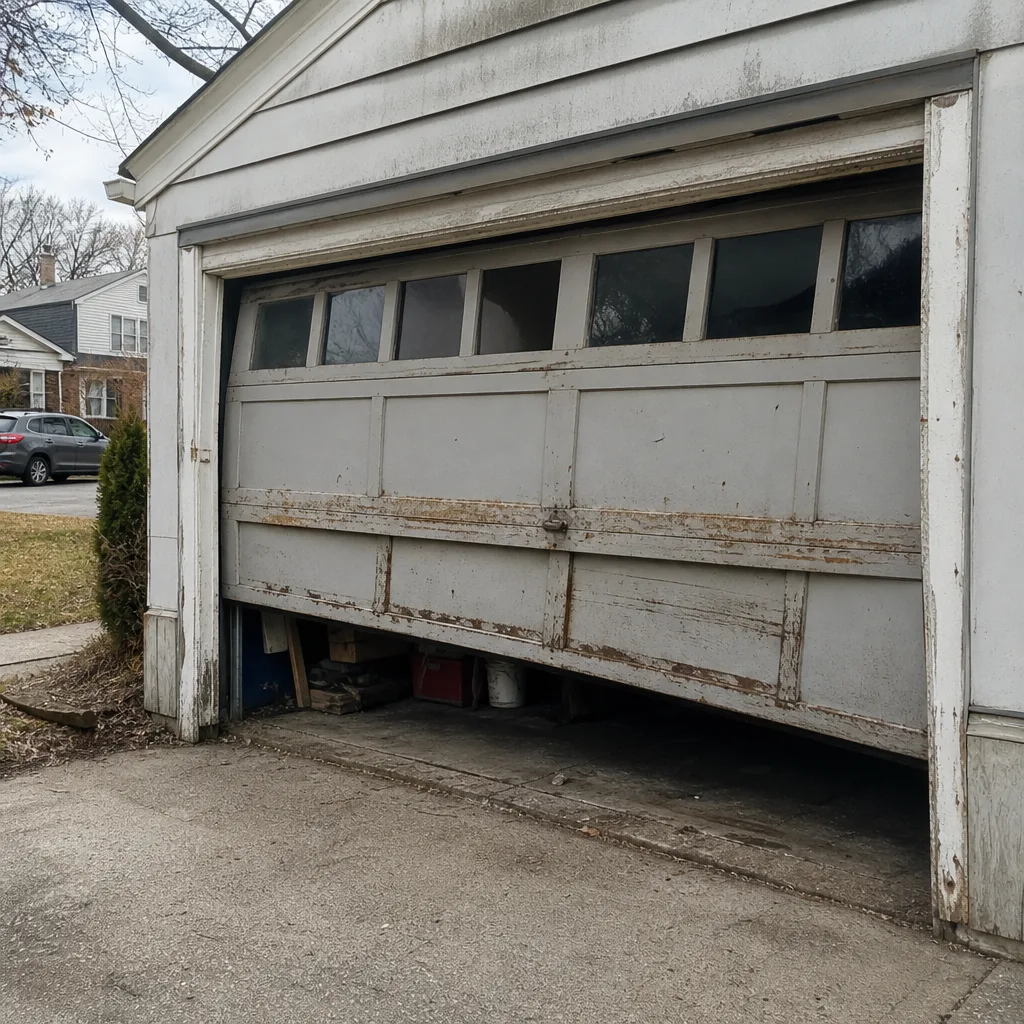 Before
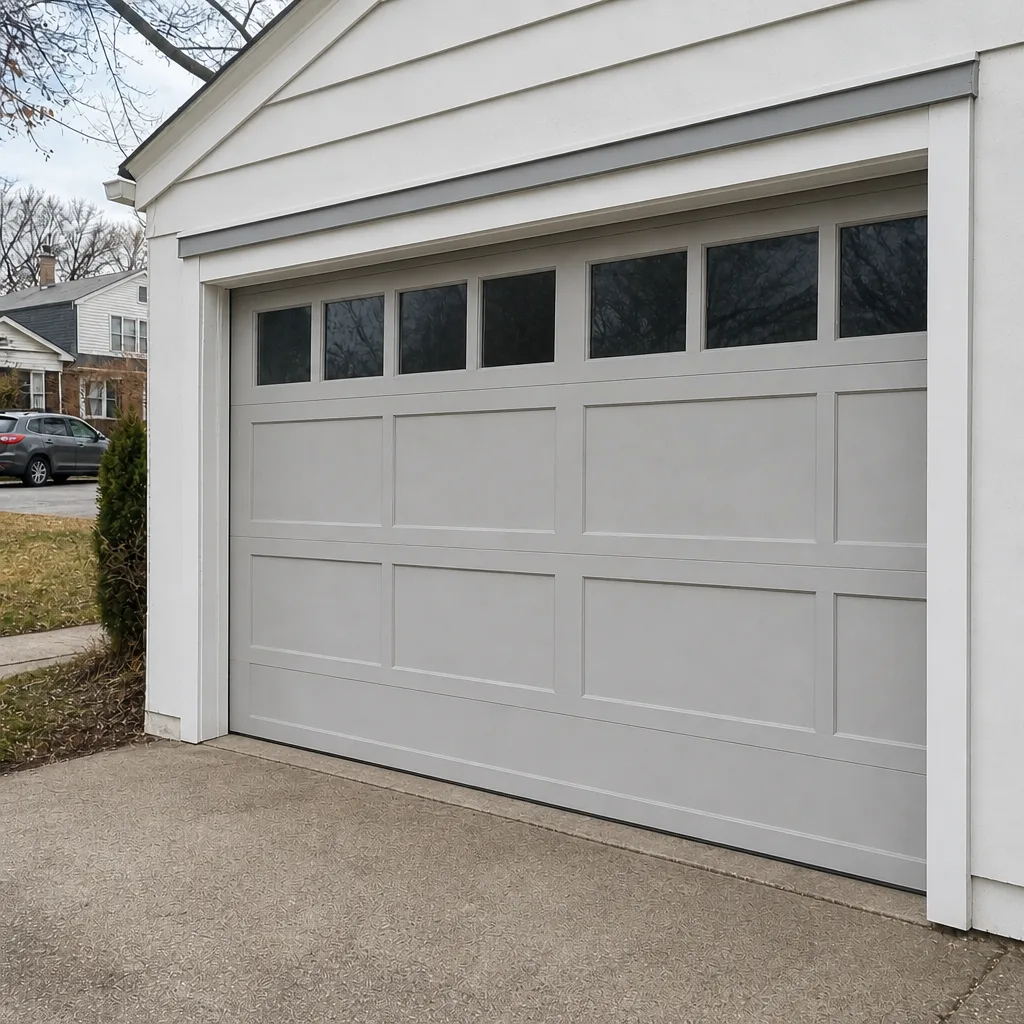 After
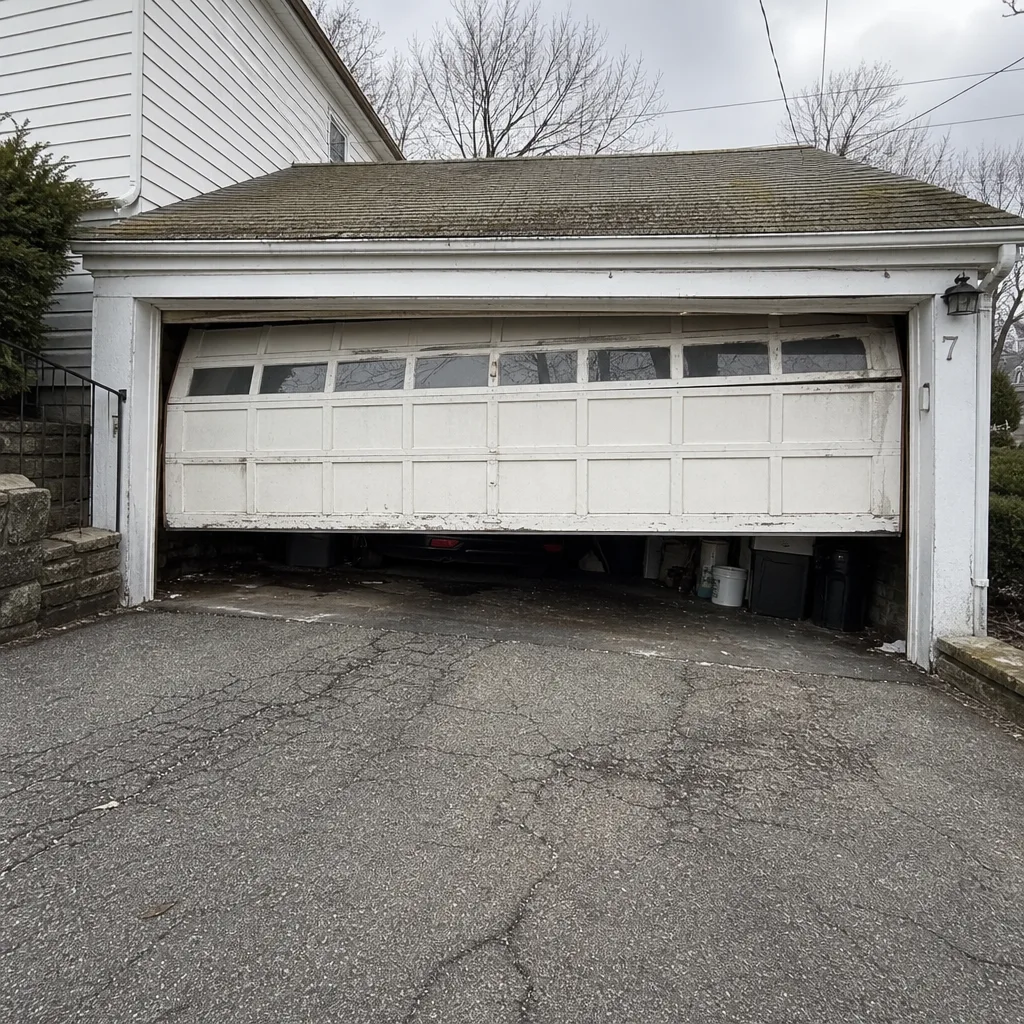 Before
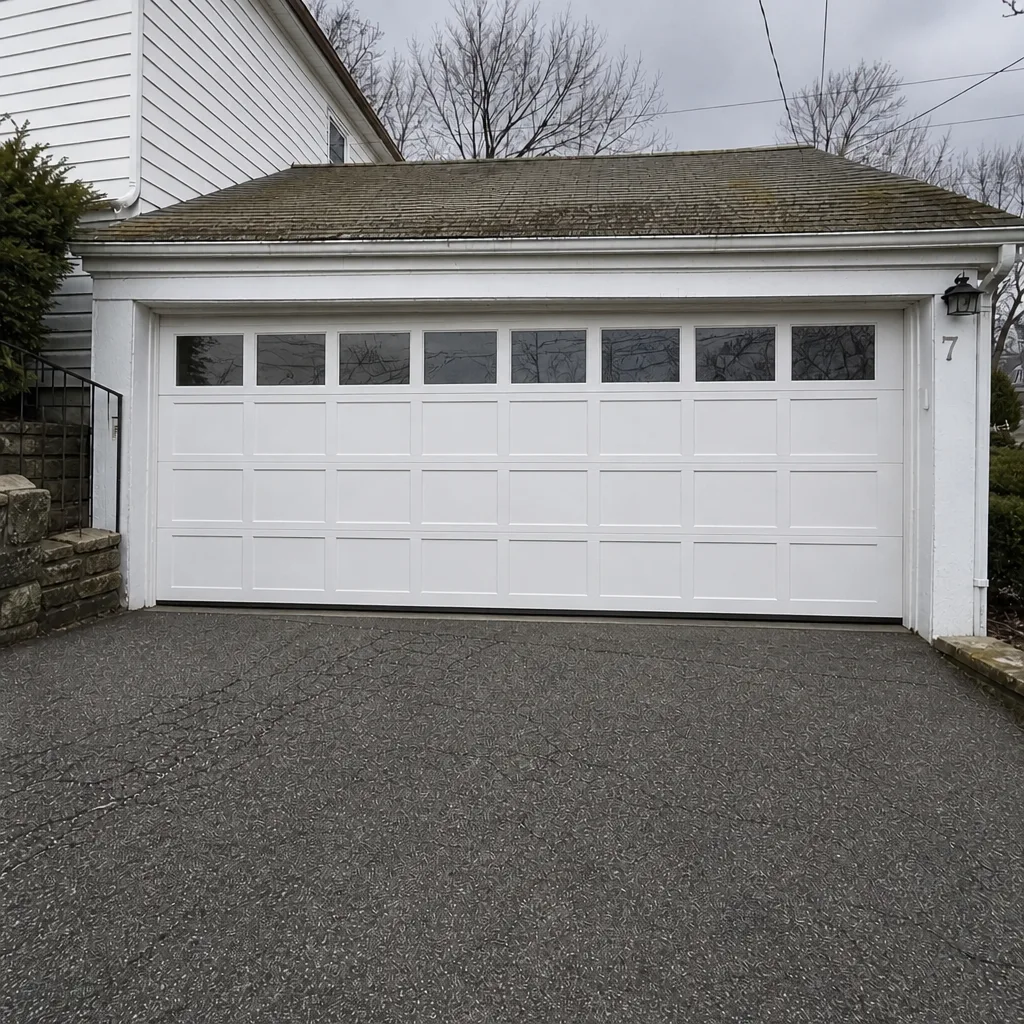 After
Frequently Asked Questions
A garage door in White Plains needs four seasonal checks: spring inspection after the winter freeze-thaw cycles, humidity and opener sensitivity attention in summer, weatherstripping and bottom seal checks in fall, and spring tension attention in winter. Most of those checks take ten minutes by eye. Springs, cables, and track adjustments belong to a trained technician. Call (844) 484-7501 for a free estimate.
Summer humidity along the Westchester County corridor causes wooden doors to swell and track alignment to drift as the frame expands. That swelling and drift creates the resistance your door feels. Re-sealing wooden panels and checking track alignment before the humid stretch is the fix. If the door is dragging or scraping, call us – estimates are free.
White Plains garage doors most often fail when temperatures drop through the 15°F to 25°F range. That band is cold enough to stiffen cables and seals but still warm enough for freeze-thaw cycles that pry at every seam. Springs lose a little tension each cycle, and by mid-winter a worn spring fails. Have tension checked in the fall before the cold settles in. Call (844) 484-7501 to book a pre-winter check.
No. Garage door springs are under extreme tension and adjusting or replacing them is not a safe DIY job. A mistake can cause serious injury. You can check spring tension by eye – lift the door halfway by hand and see if it stays put – but any adjustment needs a trained technician. Call (844) 484-7501 for a spring check; estimates are free.
You need a new bottom seal if it’s cracked, flattened, or pulling away from the retainer when the door is down. Look at the outside edge with the door closed – the seal should be compressed against the floor, not hanging. Side and top weatherstripping should sit flat with no daylight visible. Replace seals before the first hard freeze in White Plains, usually late November. Call (844) 484-7501 for a replacement estimate.
No. The written estimate is the price, and it’s set before any work starts. We quote the job in writing after we’ve seen the door, and the number on that estimate is the number you pay. Estimates are free. Call (844) 484-7501 to set one up.
The Bottom Line
White Plains garage doors age on a seasonal clock, not a yearly one. Spring humidity, summer heat, fall drafts, and the 15°F to 25°F winter band each work on a different part of the door, and the chore that protects you in one season does nothing for the next. The takeaway is simple: inspect by eye in every season, replace seals before the cold, leave springs and cables to a professional, and never crank the opener to compensate for a binding door. Do those four things and you’ll head off most of the problems that put a door out of service on a cold morning.
Garage Door Repair White Plains handles spring repair, opener diagnostics, full installation, and emergency garage door service in White Plains. Where a generalist guesses, we work on the specific brands – Genie, Clopay, Amarr, Wayne Dalton, and the rest. One call covers the door, the opener, the hardware, and the springs. Free estimates, no subcontracting, no referral to a second company. Call (844) 484-7501. We answer 24/7. Fast dispatch from 7am to 7pm, Sunday through Friday. Closed Saturday. The written estimate sets the price before anything starts.
Written by the team at Garage Door Repair White Plains.