
Last updated November 22, 2026
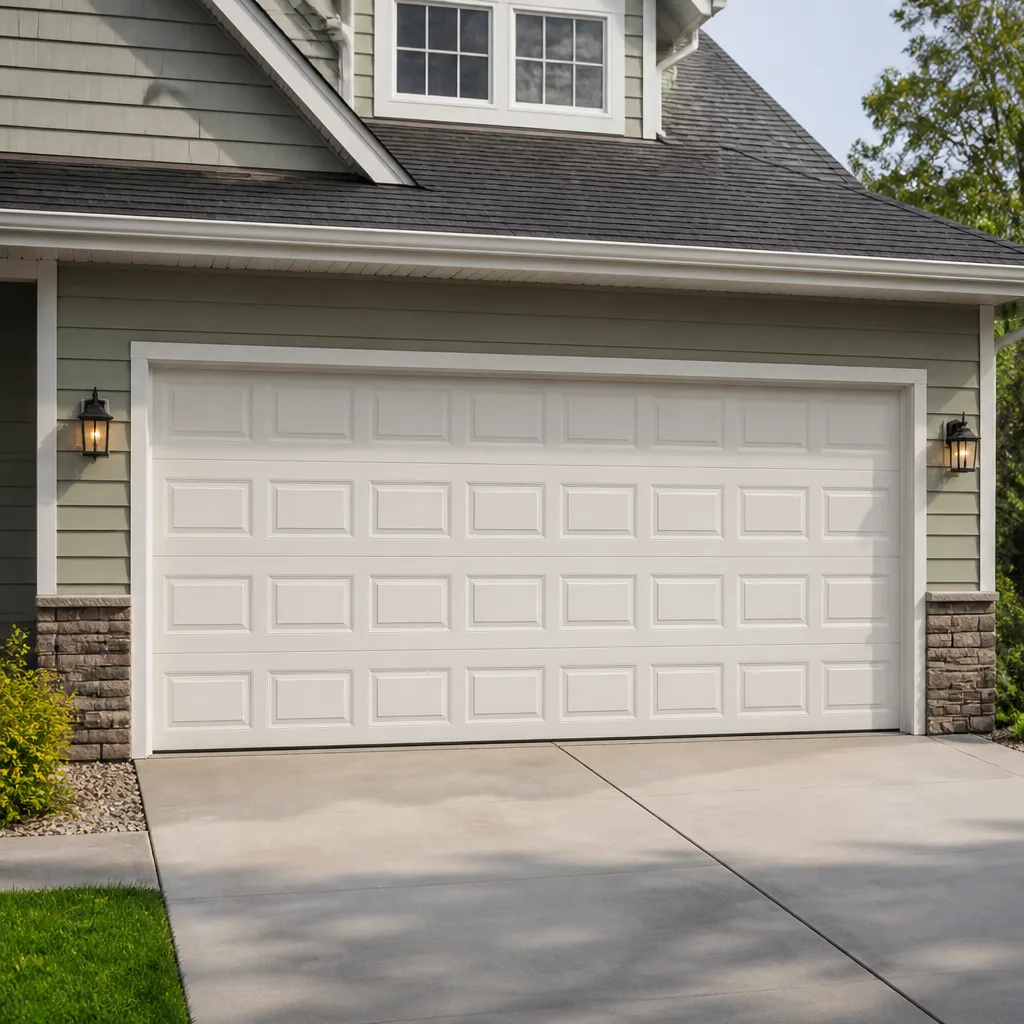 Raised-panel steel
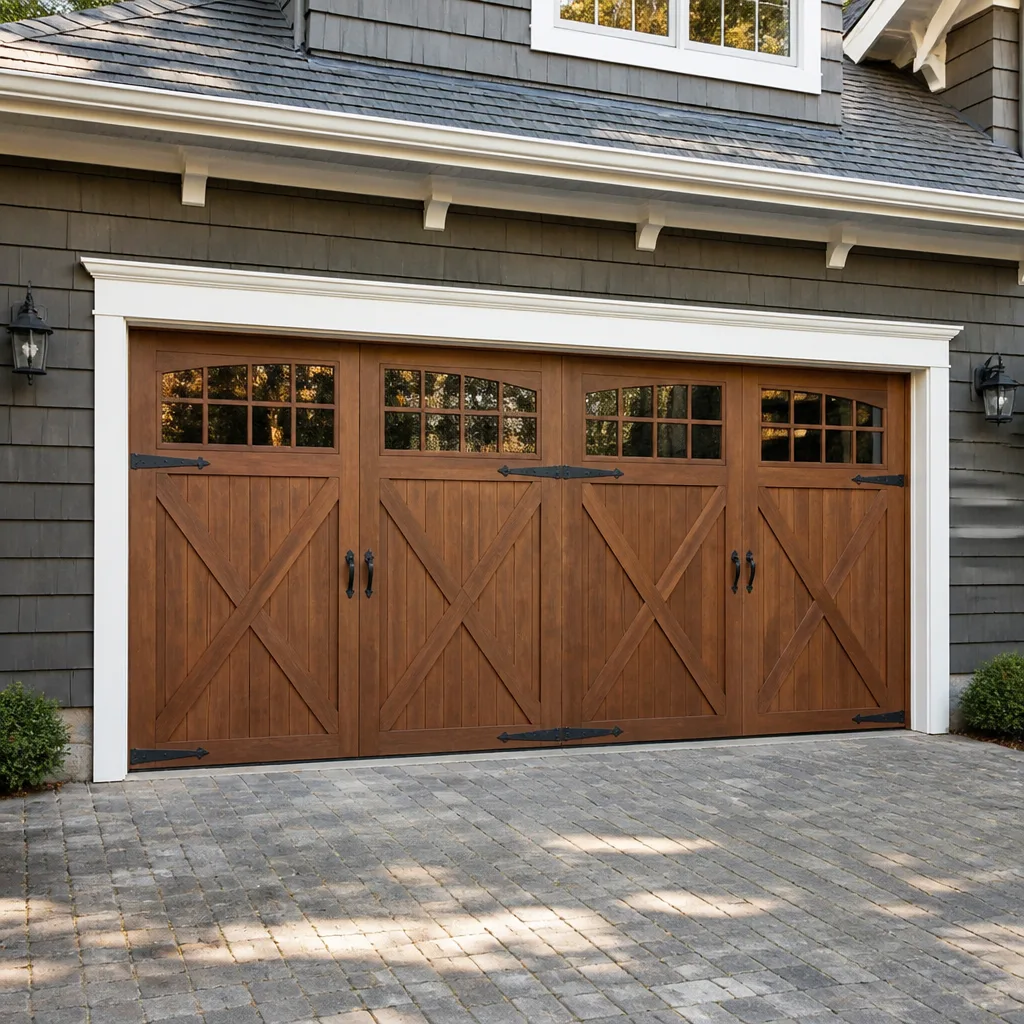 Carriage house
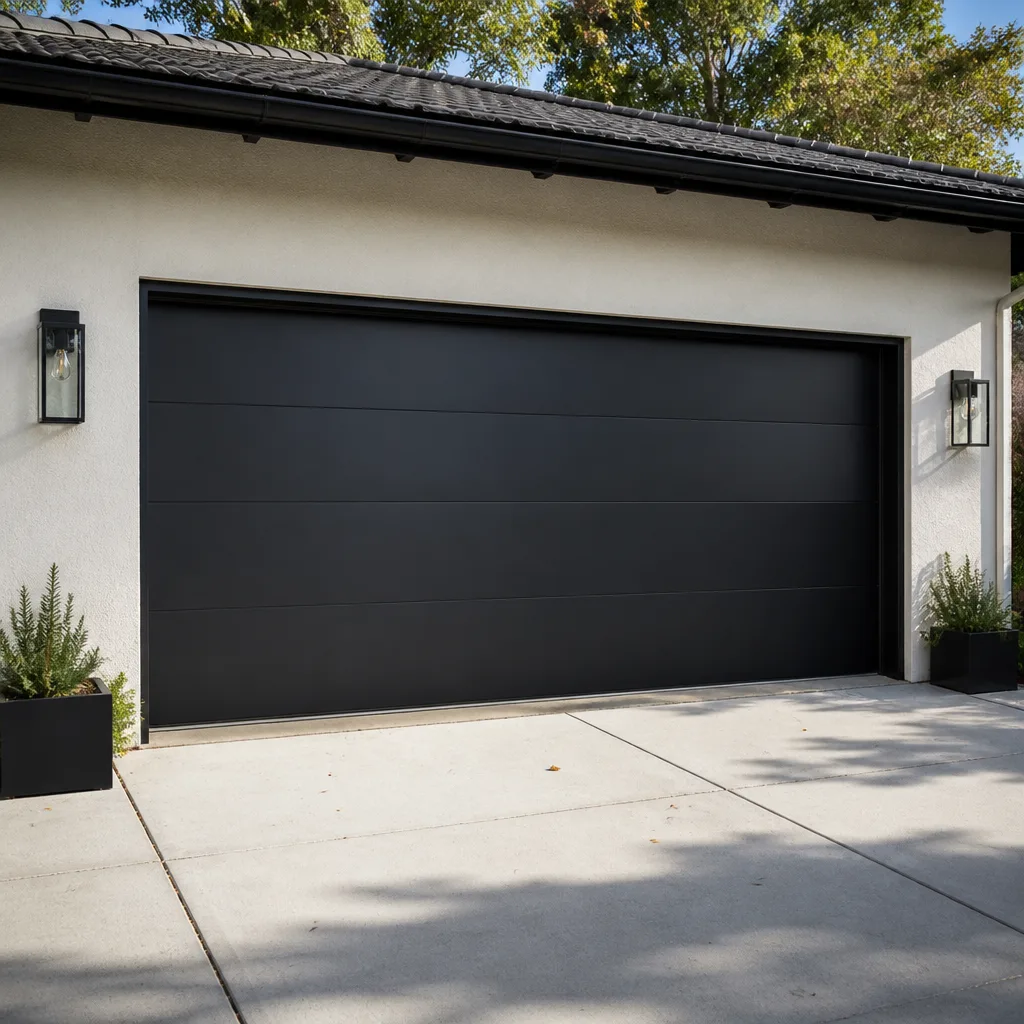 Modern flush
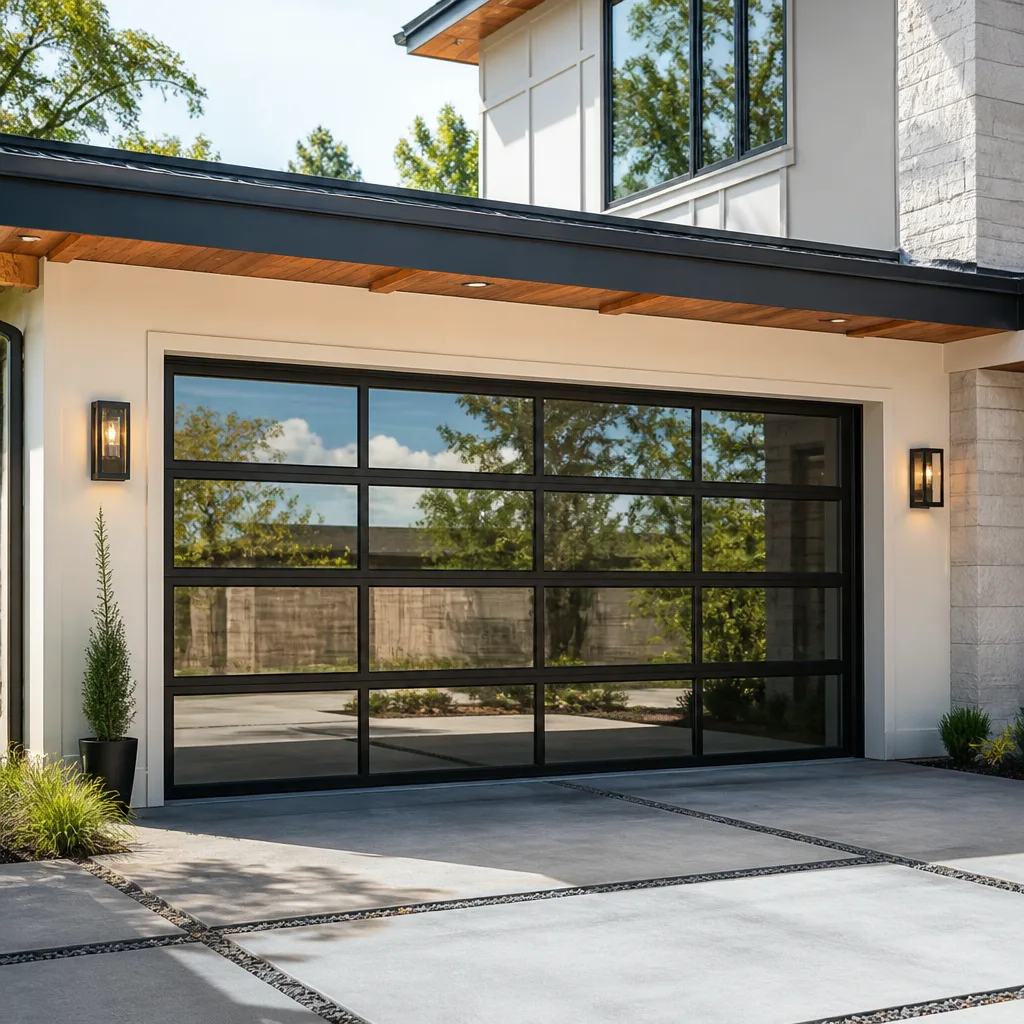 Full-view glass
 LiftMaster openers
 Chamberlain openers
Full 25-point door and opener safety check with every visit - springs, cables, rollers, tracks, and your LiftMaster or Chamberlain opener included
You get a price before we start. It does not change when the pro arrives.
Get your free estimateChoosing the Right Garage Door Brand: A Buyer’s Guide for White Plains
The most-advertised garage door brand isn’t automatically the best choice for every White Plains home. A steel door engineered for a mild southern climate handles Westchester freeze-thaw cycles differently than one built for cold-weather performance, and the brand with the biggest billboard may not be the brand your local technician can get parts for without a multi-week wait. Brand selection here is less about loyalty and more about matching manufacturer strengths to your conditions: insulation needs, steel gauge, finish durability, and the support network that actually exists around White Plains when a panel or spring fails. This guide walks through the criteria that matter, compares the major brands head to head, and shows you how to pair a door with the right opener.
Quick Answer
For most White Plains homes, the best garage door brand is the one whose insulation, steel gauge, and finish system match your exposure and your daily use, and whose parts are stocked close enough to reach you quickly. Clopay, Amarr, Wayne Dalton, and CHI cover the widest range of profiles for colonial and cape cod architecture, while LiftMaster and Chamberlain lead on opener compatibility. The right answer is specific to your house, not to a national ranking.
Styles & brands we work with
- Raised-panel steel
- Carriage house
- Modern flush
- Full-view glass
- LiftMaster openers
- Chamberlain openers
Table of Contents
- Why Garage Door Brand Matters More in White Plains Than You’d Think
- How Freeze-Thaw Cycles Stress a Garage Door
- Clopay vs. Amarr vs. Wayne Dalton vs. CHI: Head-to-Head
- Steel Gauge, Insulation, and What the Numbers Mean
- Local Parts Availability in the White Plains Area
- Matching Door Brand to Opener Brand
- The Warranty Fine Print That Actually Matters
- Style and Curb Appeal for Westchester Architecture
Why Garage Door Brand Matters More in White Plains Than You’d Think
A garage door is the largest moving object on most homes, and in White Plains it takes a beating that doors in gentler climates don’t. The region sees hard winters and humid summers, which means the same door panel is expanding and contracting through a wide temperature swing every year. That swing stresses the finish, the seams, the hinges, and the weather seal. A builder-grade door that looks fine on a showroom floor can start showing rust at the bottom section within a few seasons if the finish system wasn’t built for it.
Brand matters because each manufacturer engineers to a different set of assumptions. Some optimize for cost and sell through big-box channels, where the door arrives in a box and the install is treated as a commodity. Others design specifically for cold-weather performance and sell through dealer networks that include local distributors. The difference shows up in the details: how the steel is galvanized, whether the finish is a baked-on polyester or a cheaper paint, how the sections are joined, and how easy it is to find a matched replacement panel five or ten years down the road.
We work on eight major brands – LiftMaster, Chamberlain, Genie, Clopay, Amarr, Wayne Dalton, Craftsman, and Raynor – so we’ve seen how each one ages in this climate. The pattern is consistent: doors built for cold-weather performance hold up; doors built to a price point show their age first at the bottom section and the hardware. For a homeowner in White Plains, choosing a brand is really choosing which engineering trade-offs you’re willing to live with.
There’s also the service side. When a door fails, the question becomes who can get the right part. A brand with a distributor nearby means a replacement panel or a matched spring in days, not weeks. A brand with no local support means waiting on a shipment from a warehouse three states away. In White Plains, that difference is often the deciding factor between a one-week fix and a month of a stuck door.
How Freeze-Thaw Cycles Stress a Garage Door
Freeze-thaw is the local condition that separates a well-built door from a cheap one. Through a Westchester winter, daytime meltwater works its way into seams, joints, and the bottom weather seal, then refreezes overnight and expands. Repeated hundreds of times over a season, that cycle pries at the weakest points: the bottom section, the hinge plates, the roller tracks, and the seal itself. Doors with a poor finish rust first at the bottom, and doors with weak seals let cold air and moisture in around the perimeter.
The freeze-thaw pattern also affects the door’s hardware and springs. Steel contracts in the cold, and the springs and cables that balance the door carry more tension in winter than in summer. A door that felt fine in October can feel heavy and stiff in January, and that extra load accelerates wear on the springs. This is why White Plains homeowners often notice spring trouble in the coldest weeks of the year, and why we treat garage door spring repair as a core part of what we do. Springs are the most dangerous component in the system, under extreme tension, and they need to be handled by someone who does this work routinely.
Here’s what freeze-thaw means for brand selection, in practical terms:
- Finish system: Look for a baked-on finish over galvanized steel, not a painted surface that chips at the edges. The bottom section is where you’ll see the difference first.
- Bottom seal: A quality seal that stays flexible in cold weather keeps meltwater from pooling under the door and refreezing.
- Hardware: Galvanized or coated hinges and track resist the moisture that collects at the floor line.
- Insulation: An insulated door resists condensation on the interior panel, which is a common winter issue on uninsulated steel doors in this climate.
None of this is exotic. It’s just the difference between a door built to survive a real winter and one built to look good in a catalog. A White Plains door gets tested every year, and the brand you choose determines how well it passes.
Clopay vs. Amarr vs. Wayne Dalton vs. CHI: Head-to-Head
These four brands cover most of what White Plains homeowners actually choose, and each has a different center of gravity. The table below compares them on the criteria that matter most for this climate. The ranges are typical for the residential lines each brand offers, not for every door in the catalog.
| Brand | Steel gauge (typical) | Insulation options | Finish durability | Best fit for White Plains |
|---|---|---|---|---|
| Clopay | 24-27 gauge depending on line | Non-insulated up to multi-layer polyurethane | Strong baked-on finish systems on premium lines | Homeowners who want the widest style range and premium insulation |
| Amarr | 24-27 gauge | Non-insulated up to three-layer insulated | Good galvanized steel with durable finish | Value-focused buyers who still want a solid cold-weather door |
| Wayne Dalton | 24-27 gauge | Insulated and non-insulated lines | Solid finish, wide dealer support | Homeowners who want easy parts access and a broad product range |
| CHI | 24-27 gauge, with heavier options | Insulated lines available | Strong finish and hardware on premium models | Buyers prioritizing build quality and finish durability |
A few observations from working with these brands. Clopay’s strength is range: it offers a door for nearly every style and budget, and its premium insulated lines are among the best cold-weather performers. Amarr tends to compete on value without giving up much in the way of steel quality, which makes it a common choice for homeowners who want a well-built door without paying premium-line prices. Wayne Dalton has broad dealer support and a wide catalog, so parts are generally easy to source. CHI has earned a reputation for finish and hardware quality on its premium models, which matters in a climate that punishes weak finishes.
The practical takeaway: there’s no single winner. A homeowner who wants maximum insulation and the broadest style range leans Clopay. A homeowner who wants solid value leans Amarr. A homeowner who values parts availability leans Wayne Dalton. A homeowner who prioritizes finish durability leans CHI. The right answer depends on your budget, your exposure, and how long you plan to stay in the house.
Steel Gauge, Insulation, and What the Numbers Mean
Two numbers tell you most of what you need to know about a garage door’s build quality: steel gauge and insulation. Understanding them saves you from paying for specs you don’t need or skimping on the ones you do.
Steel gauge is counterintuitive. A lower number means thicker steel. A 24-gauge door uses thicker steel than a 27-gauge door, so it’s stiffer and more resistant to dents. For a White Plains home that sees real winters and occasional storm debris, 24- or 25-gauge steel is a reasonable starting point for the door faces. Thinner gauge saves money but dents more easily.
Insulation is measured by R-value, which describes resistance to heat flow. Here’s how the options break down:
- Non-insulated: Single-layer steel with no insulation. Cheapest, noisiest, and prone to condensation in winter. Fine for a detached shed, rarely ideal for an attached garage in Westchester.
- Polystyrene (styrofoam) insulated: A middle option that improves temperature control and reduces noise at moderate cost.
- Polyurethane insulated: The best insulation, usually in a three-layer sandwich construction. Quieter, stronger, and the best choice if you use the garage as a workspace or if a room sits above it.
Why insulation matters specifically here: an attached garage in White Plains shares walls with the house, and an uninsulated door lets cold air pour in and heat escape all winter. If you have a bedroom or living space above the garage, an insulated door makes that room noticeably more comfortable. It also reduces condensation on the door’s interior, which is a common cold-weather annoyance with uninsulated steel.
Matching gauge and insulation to your situation is more useful than chasing the highest spec. A single-car detached garage doesn’t need the same door as an attached two-car garage under a bedroom. The point is to buy the door your house actually needs.
Local Parts Availability in the White Plains Area
A brand is only as good as its parts network. When a panel is dented, a spring breaks, or a track is bent, the question becomes how fast the right replacement part can reach White Plains. Brands with established local distributor support generally get parts to a job in days. Brands sold primarily through national big-box channels can mean a multi-week wait for a matched panel, and a mismatched replacement panel is worse than waiting.
This is where brand choice intersects with repair. If you own a door from a brand with strong local support, a repair is usually straightforward. If you own a door from a brand with thin local support, a repair can turn into a longer project. The same logic applies to openers: a garage door opener repair on a common brand is quick because the parts are common, while an obscure brand can mean a special order.
What to check before you buy, in order:
- Ask your installing company which brands they can service locally. The company doing your install should be able to tell you which brands they can source parts for quickly.
- Confirm the model line, not just the brand. A brand’s entry-level line and premium line have different parts availability. Make sure the installer can support your specific model.
- Check that the finish and panel are available as replacements. A door you can’t get a matched panel for is a liability.
- Think about the opener as part of the system. Buy a door and an opener that your local service can support, not a door and an opener from different ecosystems with no overlap.
In White Plains, this is a real advantage of choosing a brand with a strong local footprint. It’s also why we work across the eight major brands rather than pushing one: the right brand for your house is the one that fits your needs and can be serviced locally when it matters. When a door fails, you want a technician who knows your brand and can get the part, not one who’s guessing.
Matching Door Brand to Opener Brand
Door and opener are a system, and pairing them correctly protects your warranty and your day-to-day reliability. The opener needs to be properly matched to the door’s weight and balance, and the safety features need to work together. When you pair a door with an opener from the same ecosystem, you get better compatibility, easier service, and fewer surprises.
The two names that come up most often here are LiftMaster and Chamberlain, which share a great deal of ecosystem compatibility, including their smart-home integration and safety-sensor standards. If you’re pairing a new door with a new opener, staying within that ecosystem is a sensible default, and it’s one reason so many White Plains homes end up with a LiftMaster or Chamberlain opener behind their new door. It also pays to note which opener brand is already on your door: if you have an older Craftsman or a Genie unit, the pairing matters differently, and a technician who knows those brands can tell you whether your existing opener can handle a heavier or taller door.
Here’s the pairing logic to keep in mind:
- Match the opener’s capacity to the new door’s weight. A heavier insulated door needs an opener rated for it. Reusing an opener that was sized for a lighter door can shorten its life and strain the motor.
- Keep safety features compatible. Modern openers use safety sensors and, in some cases, secondary safety systems that need to work with the door’s construction.
- Check warranty terms before you mix and match. Some manufacturers’ warranties assume a matched system. Mixing brands can affect what’s covered, so read the fine print or ask before you install.
- Think about the smart-home side. If you want Wi-Fi control, make sure the opener supports it and the app ecosystem you prefer.
Pairing a door and an opener from the same family is usually the cleanest path. If you’re not sure your existing opener can handle a new door, a diagnostic before install is worth the time.
The Warranty Fine Print That Actually Matters
Warranties are where the curb-appeal brochures get quiet. A door warranty can look generous on the cover and turn out to cover much less than you expect once you read the details, and the fine print is where the real value lives. The question isn’t just what’s covered, but for how long, and whether the labor to fix it is part of the deal or left to you.
The parts and labor split is the big one. Many warranties cover materials for a period, then drop to a shorter term, then cover almost nothing. Labor is frequently excluded entirely, which means a “covered” repair can still cost you the technician’s time. The result is a warranty that sounds comprehensive but covers only the panel, not the work to replace it.
What to look at, specifically:
- The parts schedule. Most door warranties have different coverage periods for different components: panels, hardware, springs, finish. Read each one.
- The labor clause. Find out whether labor is covered, and for how long. If it’s excluded, a covered repair can still cost you money.
- The finish warranty. Finish durability is where cheap doors fall short. Check what the finish warranty covers: peeling, cracking, or rust-through, and for how many years.
- The exclusions. Most warranties exclude damage from misuse, impact, water intrusion, and improper installation. In a freeze-thaw climate, water intrusion exclusions matter.
- The installation requirement. Many warranties require professional installation or installation to the manufacturer’s spec. A door installed by an unqualified installer can void coverage.
The practical move is to compare door and opener warranties side by side and ask what a typical failure would actually cost you five years out. A brand with a strong parts and labor warranty is worth more than a brand that only looks good in the catalog. That’s part of the reason we work with the brands we do: we’ve seen what their warranties are actually worth in practice.
Style and Curb Appeal for Westchester Architecture
White Plains and the surrounding Westchester towns have a distinctive housing stock: colonials and cape cods dominate, with a mix of raised ranches, split-levels, and newer construction. A garage door that was designed for a modern development can look out of place on a 1940s cape cod, and a door that’s right for a colonial can look fussy on a ranch. Brand and product line matter here because each brand offers different panel styles, window options, and color systems.
The profiles that fit the most common White Plains homes:
- Colonial: Raised-panel doors in white or a muted color, often with decorative hardware, suit the symmetrical facade of a colonial.
- Cape cod: Carriage-house style doors with crossbuck or decorative windows fit the cape cod profile, and most major brands offer a carriage-house line.
- Raised ranch and split-level: Flush or ribbed-panel doors in a simpler style keep the entry clean.
- Newer construction: Contemporary glass-and-aluminum doors when the architecture calls for them, from brands with that product line.
Style choices aren’t only about looks. Window placement affects light and privacy, and hardware choices affect how the door ages. A door with decorative straps and hinges needs hardware that can be replaced when it rusts, which loops back to parts availability. And a color that’s “in” this year may date quickly, which is why most White Plains homeowners are better served by a classic color and a timeless panel profile than by a trendy one.
For the white colonial and cape cod blocks that make up much of White Plains, the safest approach is a raised-panel or carriage-house door in a classic color. That’s the look most of these houses were built around, and it’s the look that holds its value through resale.
Common Mistakes to Avoid
- Buying on brand name alone. A brand’s reputation at the entry-level means little for the premium line. Compare the specific model, not the brand’s overall image. A White Plains homeowner who buys “the brand they’ve heard of” without checking gauge and finish often ends up with a door that doesn’t match the climate.
- Skipping the local parts check. The most common regret is buying a door whose panels can’t be replaced locally. Confirm parts availability for your specific model before you sign.
- Ignoring the warranty’s labor clause. A warranty that covers parts but not labor can leave you paying for a “covered” repair. Read the labor terms before you buy.
- Mismatching opener and door. Reusing an opener that’s undersized for a heavier insulated door strains the motor and shortens its life. Match opener capacity to door weight.
- Choosing insulation by price, not need. An uninsulated door on an attached garage with a bedroom above costs more in comfort and energy than the insulation would have. Match insulation to the room above.
- Getting the style wrong for the house. A modern door on a cape cod can hurt curb appeal and resale. Choose a door that fits the architecture.
- Letting an unqualified installer put in a good door. Many warranties require installation to manufacturer spec, and a poor install can void coverage. Use a technician who installs your brand routinely.
Most of these mistakes come down to skipping the research before the purchase. A little time on gauge, insulation, parts, and warranty saves a great deal of frustration later.
See the difference
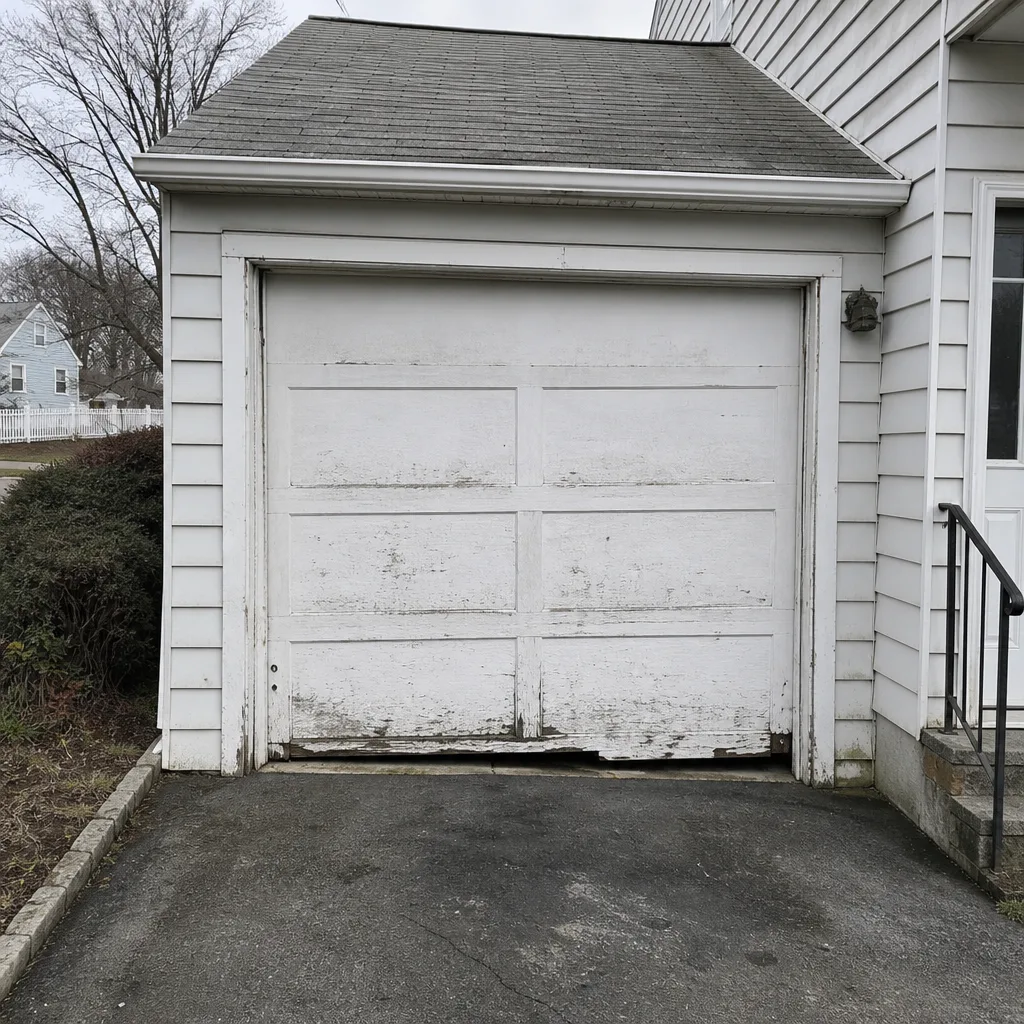 Before
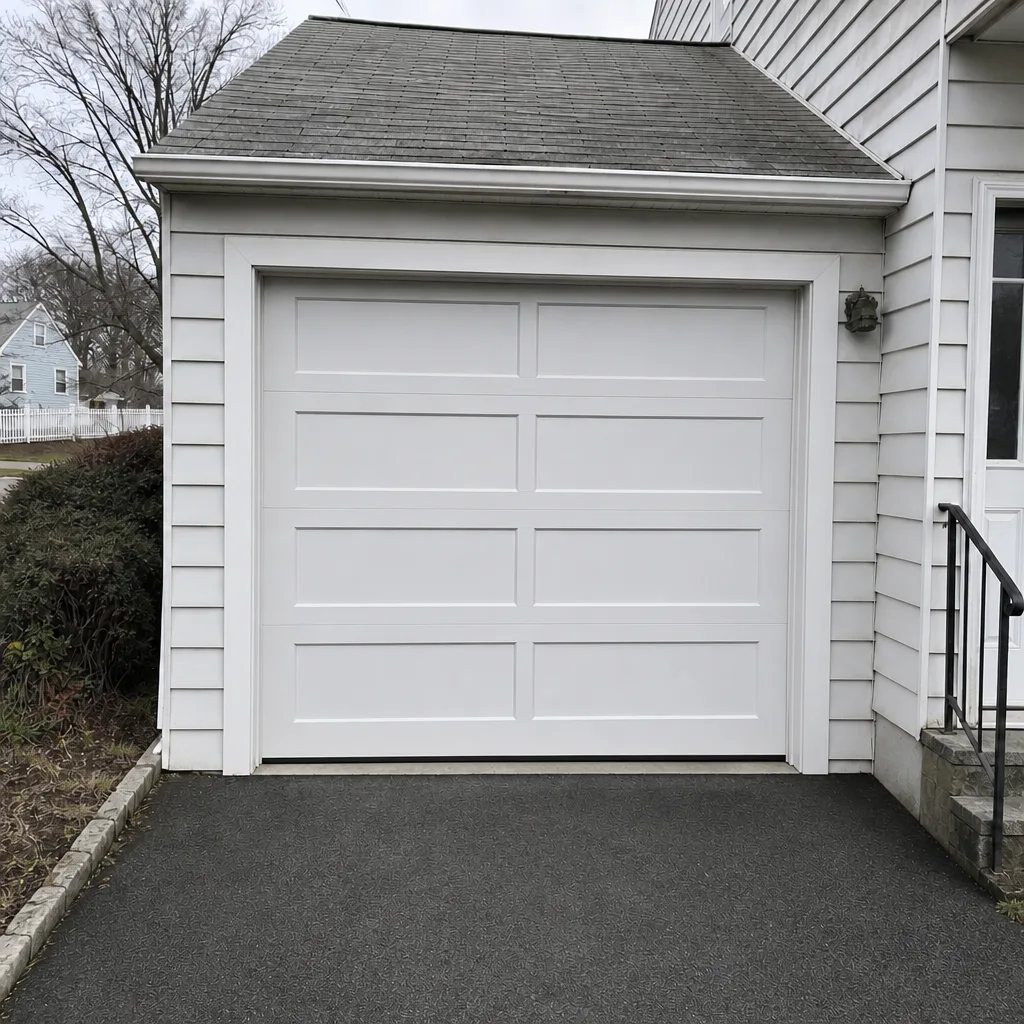 After
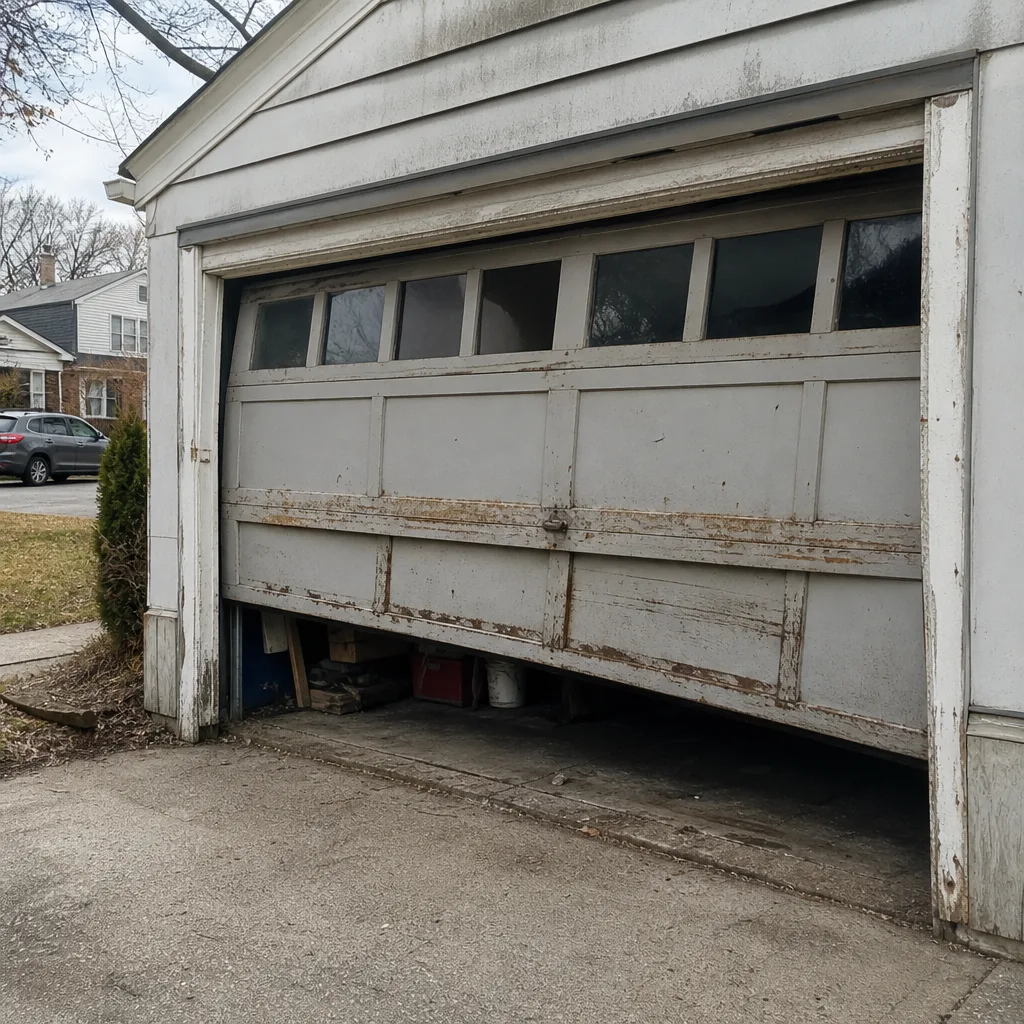 Before
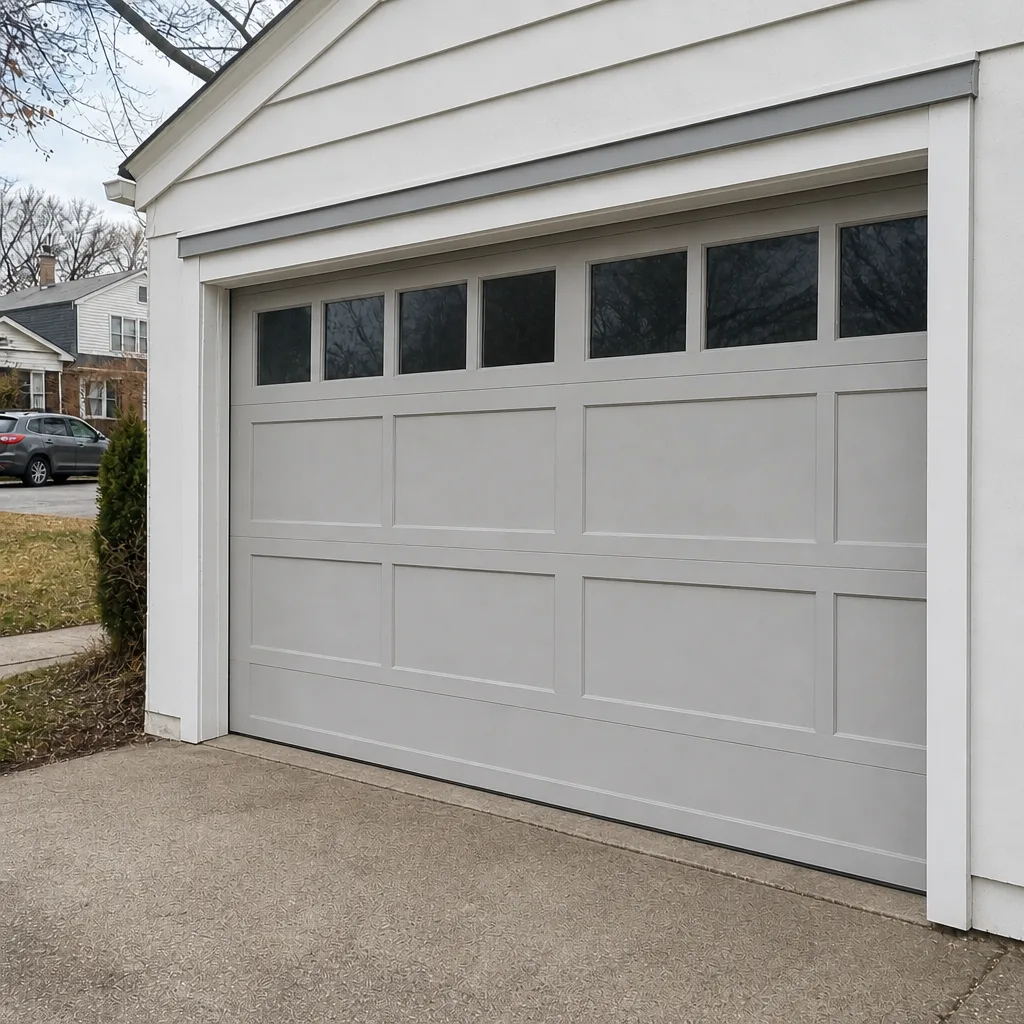 After
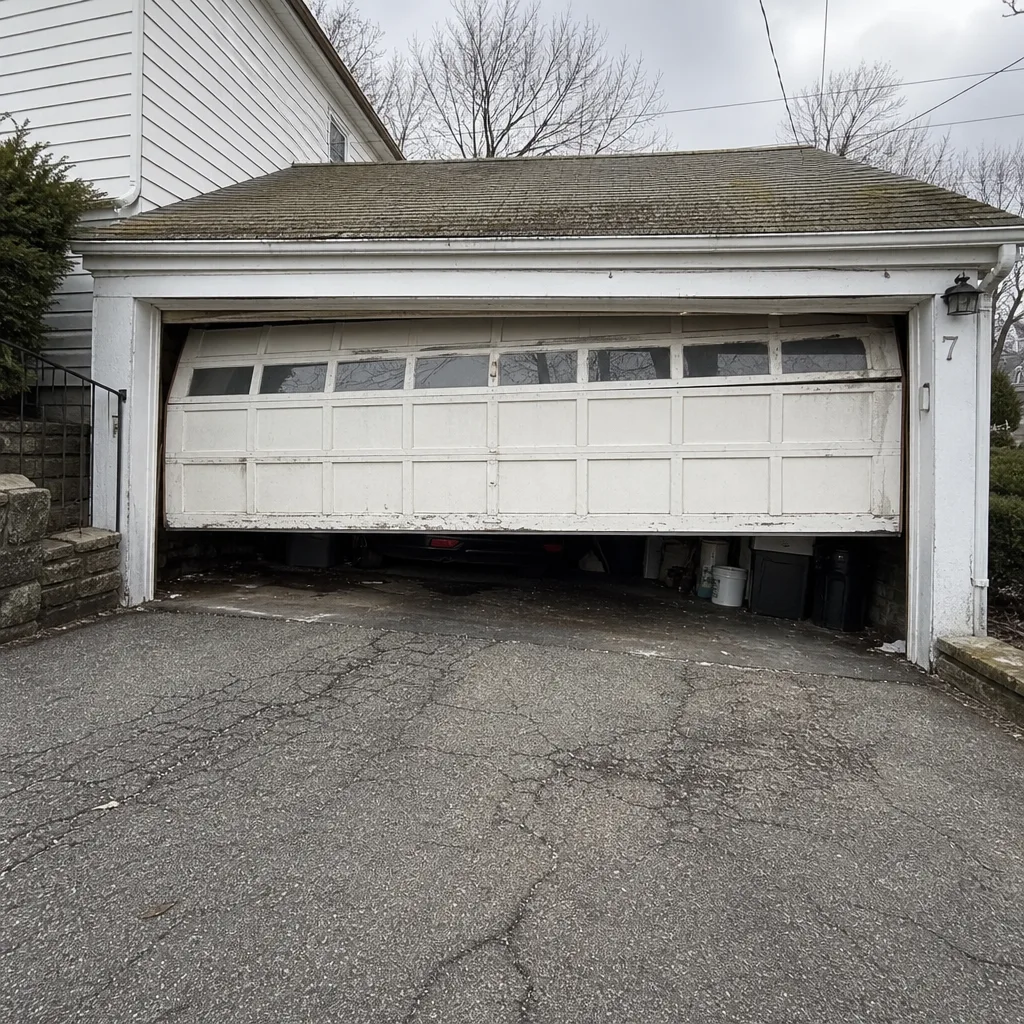 Before
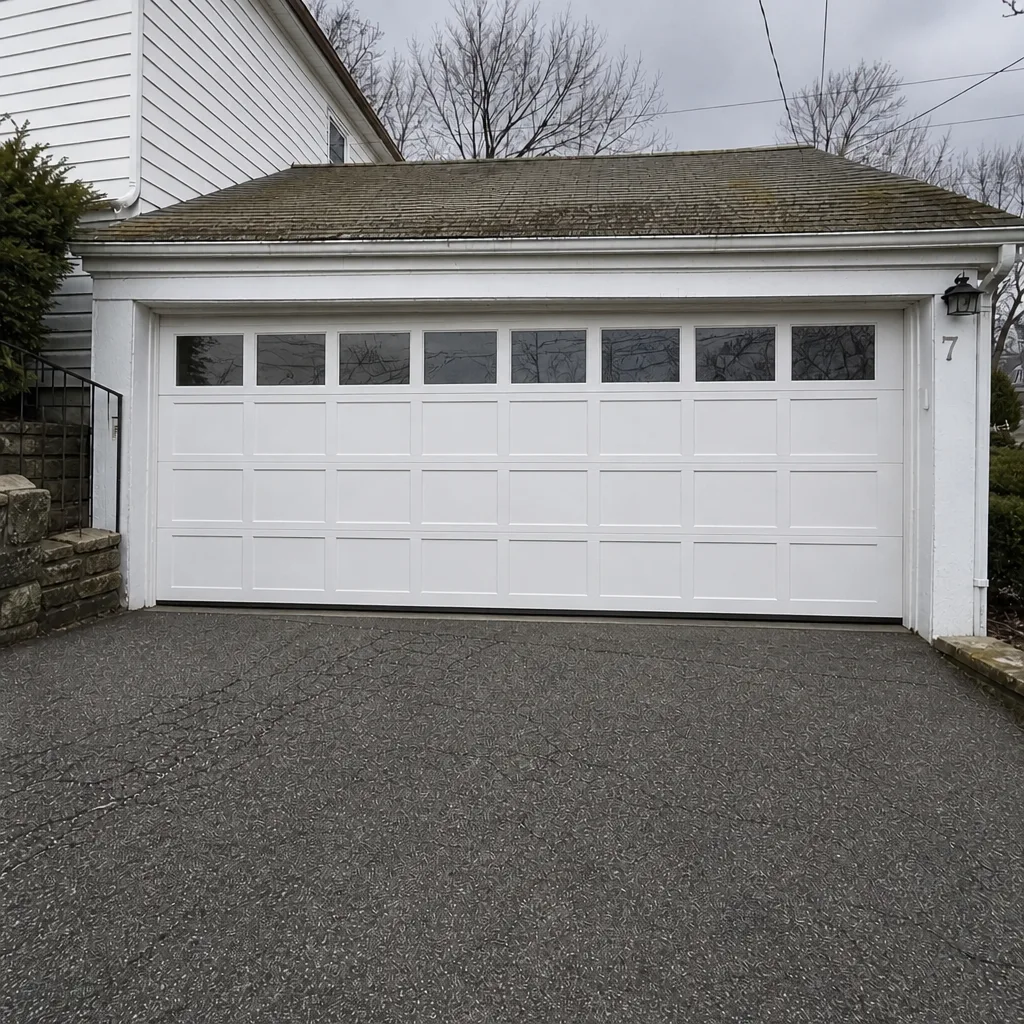 After
When to Call a Professional
Some jobs are straightforward DIY: a new weather seal, a remote battery, a track that needs a nudge back into alignment. But several jobs on a garage door genuinely aren’t safe to handle yourself. The springs are the clearest example – a door spring is under extreme tension and can cause serious injury if a homeowner tries to replace it without the right tools and knowledge. Electrical work on an opener and any wiring behind a panel fall in the same category.
Call us when the door won’t open or close reliably, when a spring has snapped, when the opener runs but the door doesn’t move, when the door is loud or jerky, or when you’re planning a replacement and want the door measured and quoted properly. We handle garage door repair and garage door repair White Plains work as a single call from opener to hardware to panel, and our technicians have up to 11 years of experience with the major brands.
Garage Door Repair White Plains offers free estimates in White Plains – call (844) 484-7501. We answer 24/7. Fast dispatch from 7am to 7pm, Sunday through Friday. For a full replacement, we’ll start with a free measure and a written price, not a dispatch.
Frequently Asked Questions
For most White Plains homes, Clopay and Amarr offer the best balance of insulation, steel gauge, and finish durability for the climate, with Wayne Dalton and CHI strong alternatives depending on your priorities. The right choice depends on your exposure, your budget, and whether a room sits above the garage. Call (844) 484-7501 for an exact quote – estimates are free.
Both matter, but for a White Plains attached garage, insulation is usually the higher-impact choice because it affects comfort and energy use all winter. Steel gauge matters more for a detached garage or one exposed to storm debris. The best door gets both right for your specific house.
No. The written estimate sets the final price, and we quote and agree before any work starts. If we find something during the work that wasn’t visible at the estimate, we’ll stop and discuss it with you before doing anything additional. That’s why we do a proper measure for a replacement and a clear diagnostic for a repair.
Yes, and pairing a door with an opener from the same ecosystem is generally a good default, since LiftMaster and Chamberlain share compatibility. What matters most is that the opener’s capacity matches the door’s weight and that the safety features work together. A diagnostic before install confirms the pairing.
The local professionals we connect you with are licensed and insured as their state requires. We work only with technicians who are experienced on the major brands, and our own technicians have up to 11 years of experience. Call (844) 484-7501 to ask about your specific job.
A standard single-car replacement is typically a one-day job once the door is ordered and delivered, though the lead time before install depends on the brand and model you choose. That’s why we measure first and give you a written price and timeline before you commit. Call (844) 484-7501 for a free measure.
For most stuck-door and spring failures, yes – we offer same-day service and emergency garage door service for doors that can’t wait. We answer 24/7, and a call outside dispatch hours is booked into the next opening, Sunday through Friday, 7am to 7pm.
The Bottom Line
The best garage door brand for White Plains is the one built for the conditions here: a baked-on finish over galvanized steel, insulation that matches how you use the garage, a gauge that resists dents, and a parts network that reaches Westchester quickly. Clopay and Amarr lead on insulation and value, Wayne Dalton leads on parts support, and CHI leads on finish and hardware. Pair the door with an opener from a compatible ecosystem, read the warranty’s labor clause, and choose a style that fits the architecture. Get the measure and the written price before you commit, and use a technician who installs and services your brand routinely. That’s the difference between a door that lasts and one you regret.
Garage Door Repair White Plains handles repair, opener diagnostics, spring replacement, and full door installation in White Plains. Call (844) 484-7501 for a free estimate. We answer 24/7, with fast dispatch from 7am to 7pm, Sunday through Friday.
Written by the team at Garage Door Repair White Plains.