
Last updated November 22, 2026
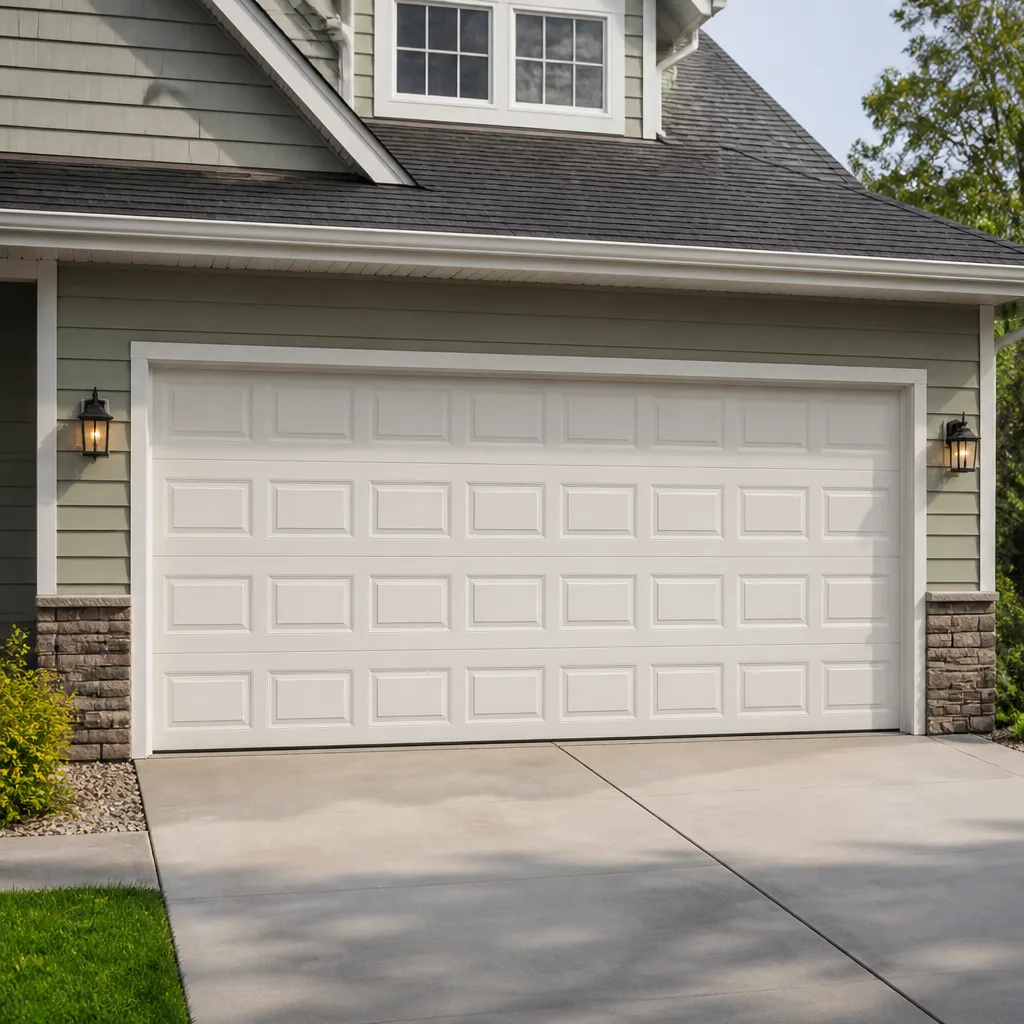 Raised-panel steel
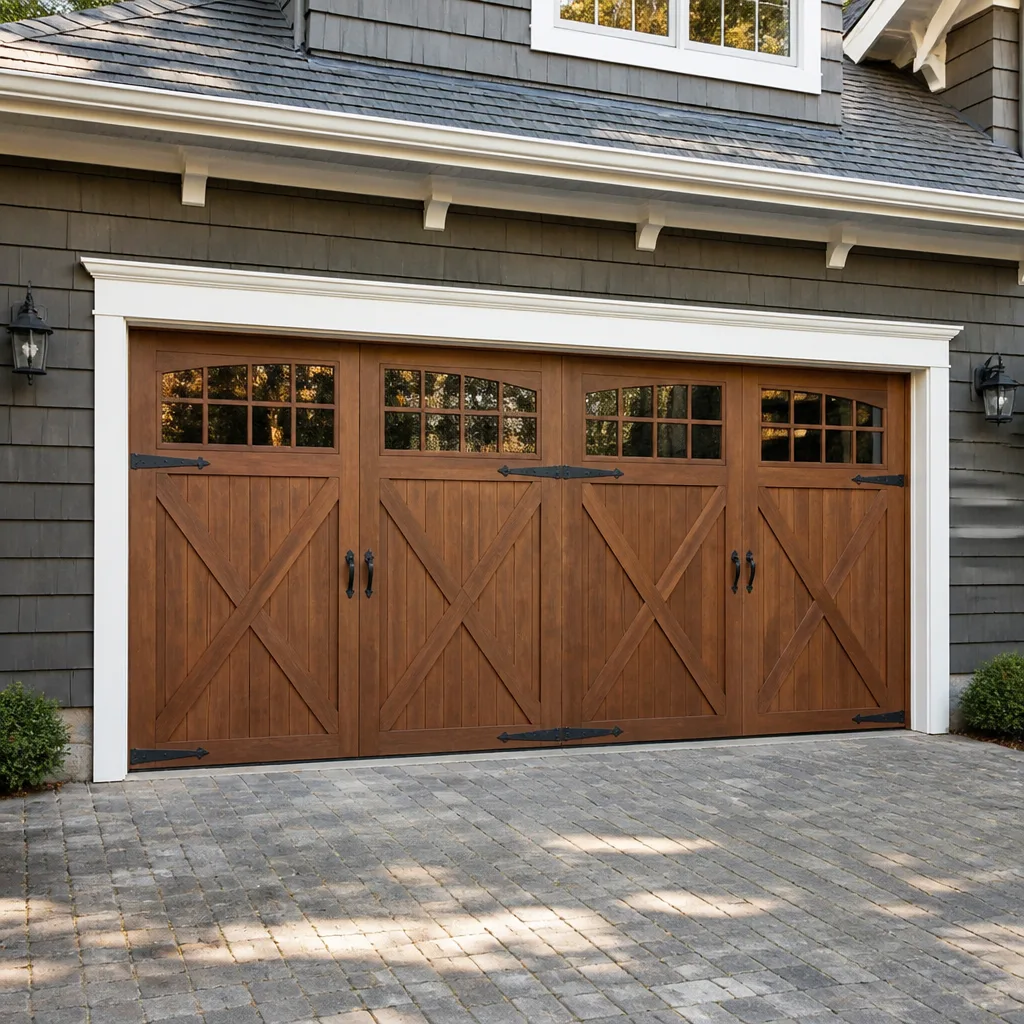 Carriage house
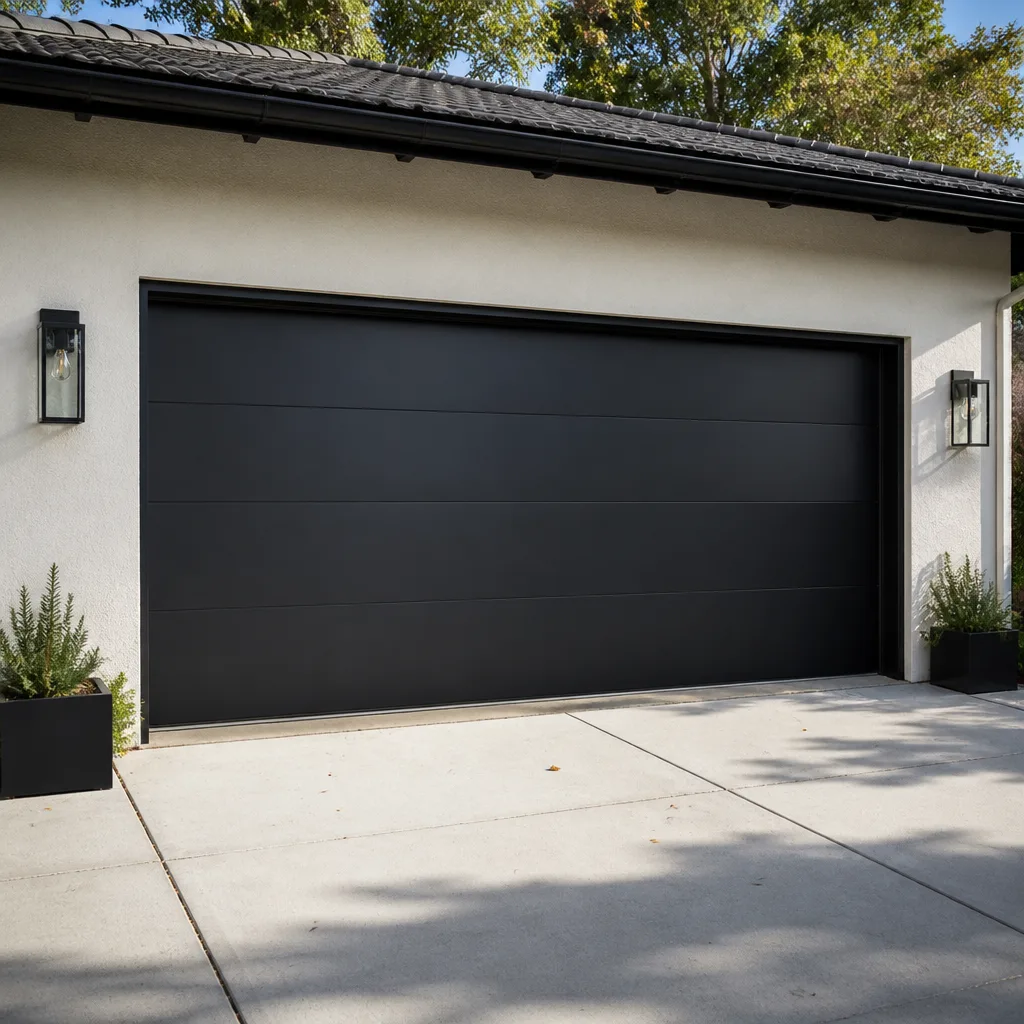 Modern flush
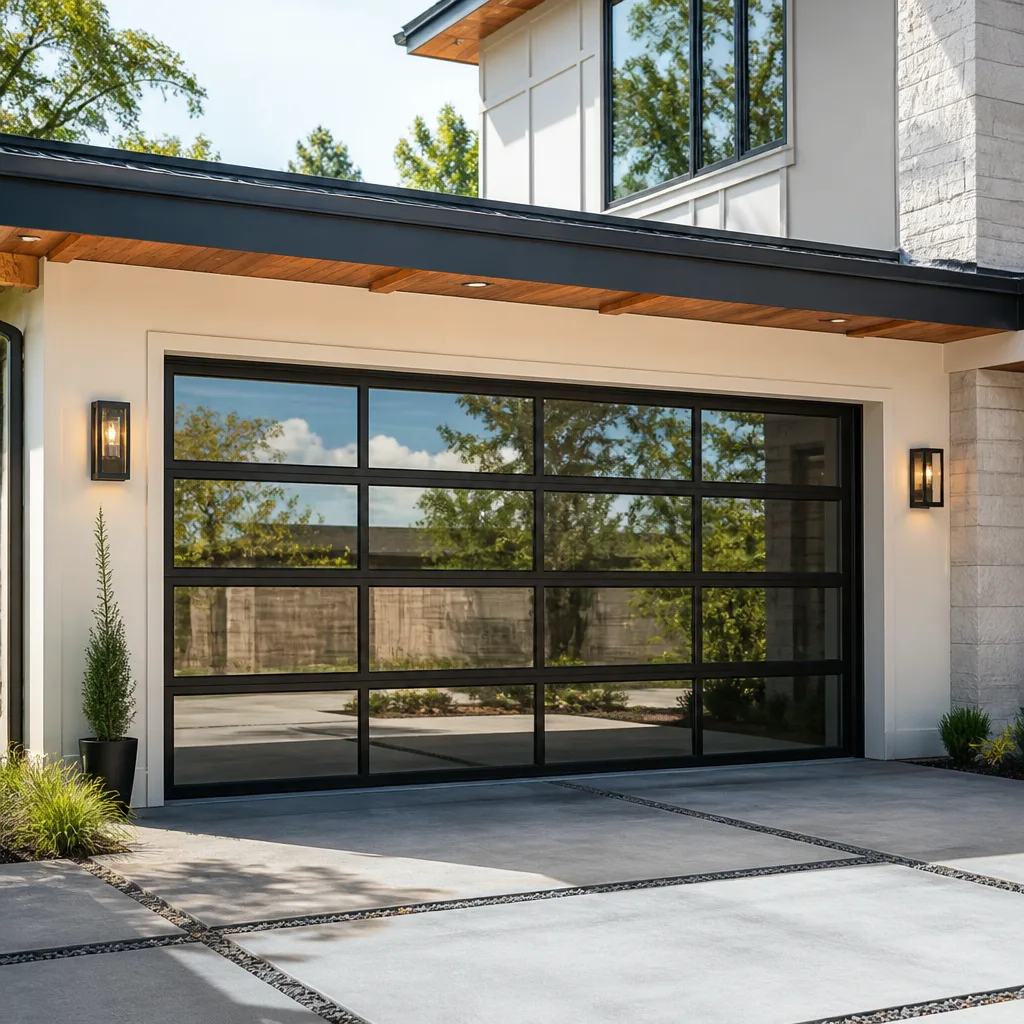 Full-view glass
 LiftMaster openers
 Chamberlain openers
Full 25-point door and opener safety check with every visit - springs, cables, rollers, tracks, and your LiftMaster or Chamberlain opener included
You get a price before we start. It does not change when the pro arrives.
Get your free estimateGarage Door Permits, Codes & Inspections in White Plains, NY: What You Need to Know
Here’s the part most homeowners get wrong: a garage door permit in White Plains isn’t really about the door. It’s about the paper trail. People assume the worst that happens without one is a fine, so they skip it and move on. But the real exposure shows up years later, when a buyer’s attorney requests the certificate of occupancy and finds a door replacement logged with no permit and no inspection on file. In that moment, you have no leverage. What follows is a plain-language walk through which garage door projects in White Plains require a building permit, which don’t, what the New York State code actually says, how inspection works, and how to hand the whole permit process off so you never inherit that problem.
Quick Answer
In White Plains, NY, a full garage door replacement, a structural change to the opening or header, and most new opener installations with new wiring require a building permit from the city’s building department. Like-for-like repair of an existing door – a broken spring, snapped cable, damaged panel, or a same-size opener swap using existing wiring – is typically considered maintenance and does not trigger a permit. When in doubt, call the White Plains Building Department and ask; the answer takes five minutes and saves a closing headache later.
Styles & brands we work with
- Raised-panel steel
- Carriage house
- Modern flush
- Full-view glass
- LiftMaster openers
- Chamberlain openers
Table of Contents
- Which Garage Door Projects Require a Permit in White Plains?
- New York State Code and UL 325: What Applies to Your Door
- How the White Plains Inspection Process Works
- What Happens When Unpermitted Garage Work Surfaces at Closing
- How a Knowledgeable Contractor Handles the Permit For You
- What Permit Pulling Should Cost and Include
- Westchester Weather and Why It Affects Door Condition
- Common Mistakes to Avoid
Which Garage Door Projects Require a Permit in White Plains?
The short version: if you’re changing the structure, the size of the opening, or adding electrical work, you’re in permit territory. If you’re restoring a door to the way it was built, you generally aren’t. Here’s how the split breaks down in practice for most White Plains homes.
Projects that typically require a building permit
- Replacing the entire garage door with a different size, weight, or track configuration
- Changing the header, framing, or opening dimensions
- Converting a manual door to an automatic one where no opener previously existed
- Installing a new opener circuit or dedicated outlet where none existed
- Converting a garage to a habitable space, or vice versa
- Any structural repair that requires removing or altering load-bearing framing
Projects that typically do not require a permit
- Replacing a broken torsion or extension spring with a matching part
- Replacing cables, rollers, hinges, or bottom brackets on the existing door
- Swapping a damaged panel for a matching panel of the same size and weight
- Replacing an opener with a same-size unit using existing wiring and track
- Adjusting or lubricating hardware
A word of caution on that last bullet: “like-for-like” is doing a lot of work there. If you’re replacing a door and the new one weighs meaningfully more, or if the original door was installed under an older configuration and the track or header isn’t sized for the replacement, the job drifts into permit territory even if you didn’t intend it to. That’s a conversation to have with the building department before you order the door, not after. A spring swap on an existing door is routine garage door repair; a new slab is a construction project.
One White Plains-specific note: many homes in the older residential blocks around the Highlands and the Battle Hill area were built with single-car garages and low headers. The door opening was sized decades ago for a door that’s no longer made. When we’re called out to quote a replacement on one of these homes, the header dimension is the first thing we check, because if it’s undersized for a modern door, the permit conversation starts before the measurement does.
New York State Code and UL 325: What Applies to Your Door
The New York State Uniform Fire Prevention and Building Code applies to residential garage doors across Westchester County, and White Plains enforces it through its own building department. Two pieces of that code come up on almost every garage door job.
Structural and egress requirements
The code governs the door and its attachment to the structure. That includes how the door is anchored to the header and jambs, how the track is supported, and – on a garage attached to the home – how the wall between garage and living space is protected. A door that was installed with undersized lag bolts or track brackets that have pulled loose over time doesn’t pass a review, because it wasn’t installed to code to begin with. This matters on older White Plains homes where the original installation predates current code and may never have been corrected.
UL 325 and the opener
UL 325 is the safety standard for garage door operators. Every opener sold in the United States today must comply with it, and compliance means the opener has both a primary and a secondary entrapment protection system – typically a photo-eye sensor pair combined with either a pressure-sensing reverse or a safety edge. The standard also requires the manual release, and for one-piece and sectional doors, specific force limits on closing.
What this means for a White Plains homeowner is that a garage door opener installed today has to meet UL 325, full stop. If you have an older opener in place and it’s being replaced, the new unit will meet it automatically. If you’re keeping a legacy opener but the photo-eyes have failed or been removed – more common than you’d think – the installed system is out of compliance, and that’s the sort of thing that surfaces during a permit inspection. Openers from Genie, Chamberlain, LiftMaster, and Craftsman all ship with UL 325 compliance built in; the question is whether the unit on your ceiling is wired and operating correctly. That’s garage door opener repair territory, and it’s also why a good technician checks the safety reverse before leaving the driveway.
Two exceptions worth knowing: a garage door used only for vehicles and not part of the dwelling’s egress path is still subject to UL 325 on the operator, so the vehicle-use argument doesn’t get you out of the safety reverse requirement. And a door being replaced under a permit will be reviewed against current code, not the code in effect when the house was built – so a replacement can trigger corrections to the surrounding opening even when you weren’t planning on them.
How the White Plains Inspection Process Works
Most homeowners are surprised by the sequencing. The inspection doesn’t happen after the door is installed; it happens in stages, and the first stage comes before the door goes up. Here’s what a typical permitted garage door replacement looks like:
- Permit application. A building permit application is submitted to the White Plains Building Department with the scope of work, the door specs, and the contractor’s information. For a straightforward residential door replacement, plan for a few days to a couple of weeks for review depending on the department’s workload. Larger scopes or jobs that touch structural framing take longer.
- Permit issued and posted. Once approved, the permit has to be available on-site. Your contractor should bring it, not you.
- Pre-inspection of the existing opening. Depending on scope, an inspector may verify the existing header, framing, and attachment points before the new door goes in. This is where surprises live – the header isn’t what the drawings assumed, or the original install wasn’t code-compliant.
- Installation. The door, track, and opener go in.
- Final inspection. The inspector confirms the door operates correctly, the safety reverse works, UL 325 compliance is met on the operator, and the installation matches what was permitted.
- Certificate of occupancy or completion. The permit closes out, and the paperwork goes into the property record – which is exactly what you want, and exactly what catches a buyer’s attorney’s attention when it’s missing.
On timing: routine residential door replacements in White Plains typically move through this in a few weeks from application to final inspection when nothing goes sideways. But “nothing goes sideways” depends on two things – the accuracy of the application and whether the existing opening was built the way the last owner thought it was. Older garages, especially in the neighborhoods off Mamaroneck Avenue and in the North Broadway corridor, sometimes reveal as-built conditions that require a revised plan. We build that possibility into the timeline we give homeowners on replacement work, because assuming everything will be clean and then being surprised is worse for everyone.
One more thing worth flagging: an inspection failure isn’t the end of the world, and it isn’t the inspector being difficult. It’s usually a specific, fixable item – a lag bolt that’s the wrong size, a photo-eye that’s misaligned, a door that drifts. A contractor who knows the code will already be checking those things before the inspector arrives, which is why the inspection should be a formality rather than a coin flip.
What Happens When Unpermitted Garage Work Surfaces at Closing
This is the section most homeowners wish they’d read before their last renovation. The financial exposure from an unpermitted garage door replacement isn’t the permit fee you saved, and in most cases it isn’t a retroactive city fine. It’s the leverage you lose at the negotiation table.
When you sell a home in White Plains, the buyer’s attorney will request the certificate of occupancy and will check for open permits on the property record. If a garage door replacement shows up with no permit, one of a few things tends to happen:
- The sale gets delayed. The buyers can’t close while the property has open or undisclosed permit issues. That delay can cost you in carrying costs and in the chain of your own next purchase.
- The buyer asks for a credit or a price reduction. If they do, the number they ask for is almost never the cost of fixing it – it’s the cost of fixing it plus the uncertainty around whatever else might be unpermitted. You’ve handed them the number.
- You have to get it permitted after the fact. Sometimes that’s a straightforward as-built permit and inspection, sometimes not. Getting a permit for work that was already completed and cannot be visually inspected as it was built is a harder, more expensive, more unpredictable process than doing it up front.
The deeper problem is that unpermitted garage door work is usually part of a pattern. If a buyer’s attorney sees an unpermitted door, they will assume there’s more. The inspection cost, the negotiation, and the schedule are all secondary to that loss of trust – and trust at closing is worth real money. The cost of skipping the permit isn’t a fine. It’s a house that a buyer can walk away from with a clear reason.
How a Knowledgeable Contractor Handles the Permit For You
If you’re hiring a garage door professional for a replacement in White Plains, the permit should be their job, not yours. Here’s what that looks like in practice when it’s done right.
- They tell you up front whether the job needs a permit. Not after the door’s ordered and the crew is scheduled. Before.
- They pull the permit in their name as the contractor of record. You hire them, they file the application, and they handle correspondence with the building department.
- They submit accurate drawings and door specs. The most common reason a permit gets held up is a drawing that doesn’t match what’s actually going to be installed. A contractor who works in the specific brand – Clopay, Amarr, Wayne Dalton, Raynor – knows the spec sheets and the weight figures without guessing.
- They schedule the inspections. Both the pre-inspection and the final. You don’t take a day off work for it.
- They correct anything the inspector flags. A door that’s installed correctly and to spec usually needs no correction. But if the inspector asks for an adjustment, the contractor handles it, not you.
- They hand you the closed permit at the end. The paperwork goes into your records and, importantly, onto the property record where the next buyer’s attorney will find it.
The reason this matters in our experience is that the permit process is not the hard part of a garage door job – it’s the part where generalists get exposed. A handyman can hang a door. But without knowing whether the header size is right, whether the opener is UL 325 compliant on the existing wiring, and how White Plains wants the application filed, they get stuck, and the homeowner ends up chasing the building department on their own time. That’s not a technical problem, it’s a coordination problem, and it’s the difference between a job that closes clean and one that doesn’t. Our technicians have up to 11 years of experience handling this exact sequence, and we can work on the brands that come up most often in Westchester homes – including Clopay and Amarr replacements and Wayne Dalton doors that need matching panels.
What Permit Pulling Should Cost and Include
There’s no clean universal number, because permit fees in White Plains and Westchester County are set by the city and scale with the scope of work. What you should expect is that a contractor either quotes the permit fee as a separate line item on the written estimate or folds it into the job total, and you should see which one they did. A written estimate for a permitted replacement should show:
- The permit fee itself, listed separately or explicitly included
- The door model and size (so you can compare against spec sheets)
- Opener model if one is being installed, with the UL 325 compliance noted
- Any structural correction work to be performed
- What the estimate does not include (e.g. re-framing beyond a certain scope)
What it should not include is a vague “permit handling” charge with no detail, or an estimate that omits the permit and quietly adds it after the work is done. And it should be explicit that the price you approve is the price you pay – any additional scope is quoted and agreed before it’s performed, not after. We give written estimates on every job, and the estimate is what sets the final price.
One legitimate reason a permit can add cost to a garage door replacement: the inspection sometimes reveals that the existing opening needs a correction to pass current code. That’s not a hidden charge – it’s an as-built issue that gets quoted up front, and the right way to handle it is to price it as part of the permit scope rather than discover it after the fact. If a contractor tells you the permit is “free” they’re either absorbing the fee into the job total (fine, as long as it’s on the estimate) or they’re planning to skip it (not fine).
Westchester Weather and Why It Affects Door Condition
White Plains sits in a climate that runs the garage door through a real workout over the course of a year. Cold winters with ice and freeze-thaw cycles, humid summers that swell wood and stress gaskets, and the occasional heavy storm that drops debris or puts strain on a door that’s already marginal. That pattern is exactly why the condition of a door matters at permit time – a door that’s been through several winters of freeze-thaw is more likely to have loosened hinges, misaligned tracks, and hardware that’s held by rust rather than torque.
When a permitted replacement goes in, the inspector is looking at the installed door, but they’re also looking at whether the surrounding opening is sound. A door that’s been dragged along by rusted track for years means the track itself is part of the job. And the opener on that door – bolted to a ceiling joist that’s seen some winters – has to be reattached correctly, not reused on a different door without rechecking the mounting.
This is where the specific systems matter. A spring under tension is the single most dangerous part of the assembly, and it’s also the part that fails most often in cold weather. That’s the case for a garage door spring repair handled by someone who knows torsion springs, not just a pair of wrenches. And a replacement door that’s heavier than the original because it’s a modern insulated model – common when homeowners upgrade to a Clopay or Amarr insulated door – will stress a spring system that was sized for the old door. If the spring isn’t resized, the door fails early. That’s a specification question, and getting it right is part of what a permit-driven job is supposed to ensure.
Common Mistakes to Avoid
- Assuming repair always means no permit. Replacing a spring is repair; replacing a door that’s a different weight or configuration is not. The line isn’t always obvious, and a five-minute call to the White Plains Building Department settles it.
- Letting the contractor decide whether to file. Ask directly, before the work starts, and get the answer in writing on the estimate. If they say “you don’t need one for this” and the scope involves a new door, get a second opinion.
- Forgetting that a new opener can trigger a permit requirement. If new wiring is part of the job, that’s electrical work and it can fall under the permit umbrella even though the door isn’t being replaced. Same-size opener swaps on existing wiring usually don’t, but “usually” isn’t “always.”
- Filing the permit in your own name as the homeowner. Legally you can, but then you own every step of the inspection process and every correction. The contractor should be the applicant of record.
- Buying the door first and permitting second. The door spec has to match the application. Reversing that order is the fastest route to a revision, a delay, and a frustrated contractor.
- Assuming the old install was compliant. A door that was installed decades ago in a White Plains home may not meet current code. A replacement permit reviews against current code, not the code the house was built under.
- Ignoring the property record. If you’re planning to sell within a few years, the permit paperwork is an asset. Skipping it creates a liability that waits until closing to appear, and by then you have no negotiating room.
See the difference
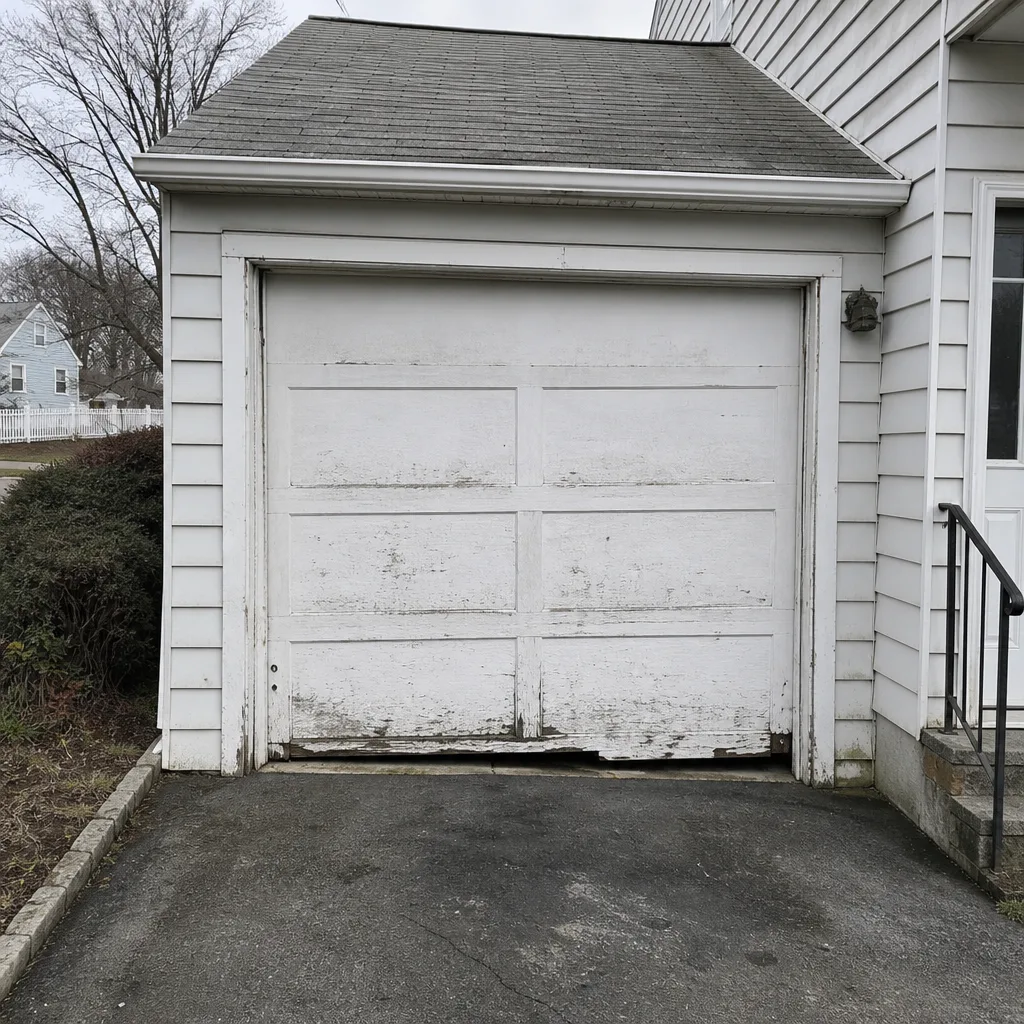 Before
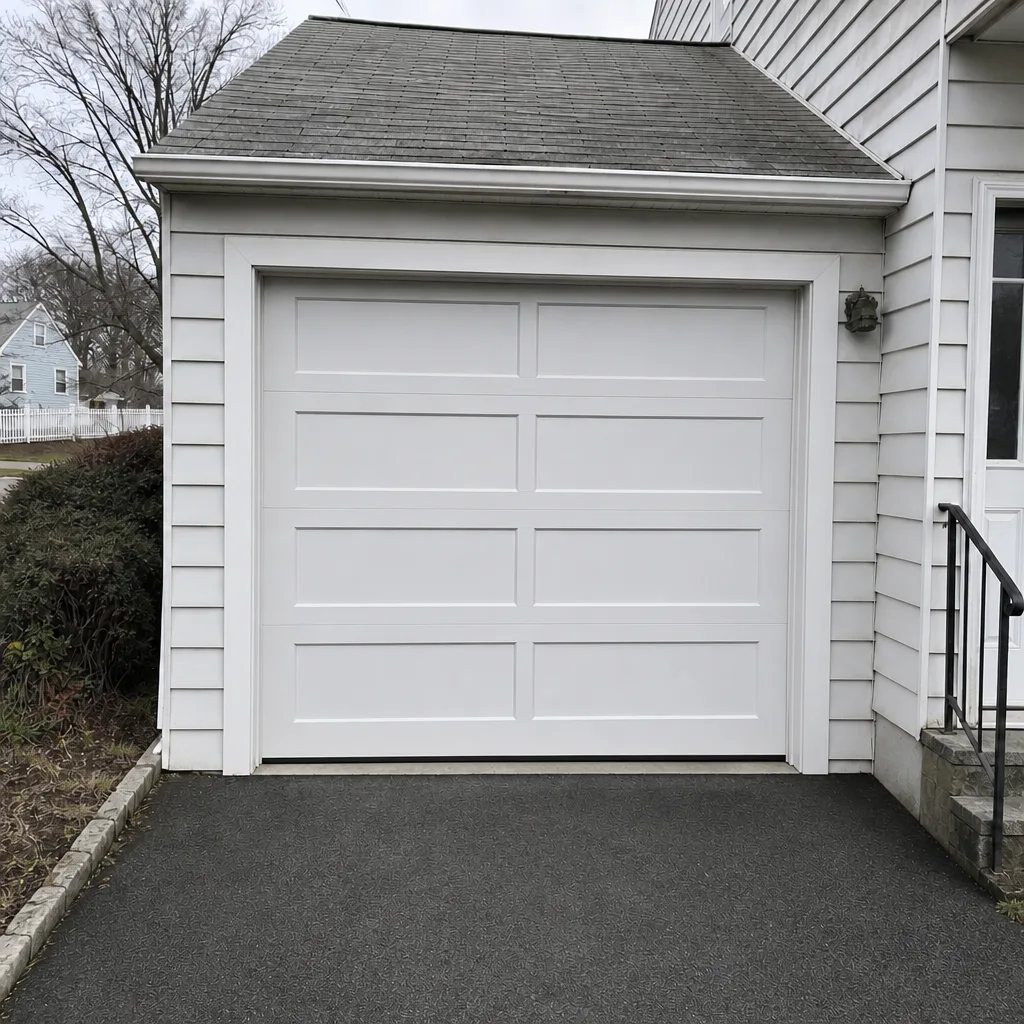 After
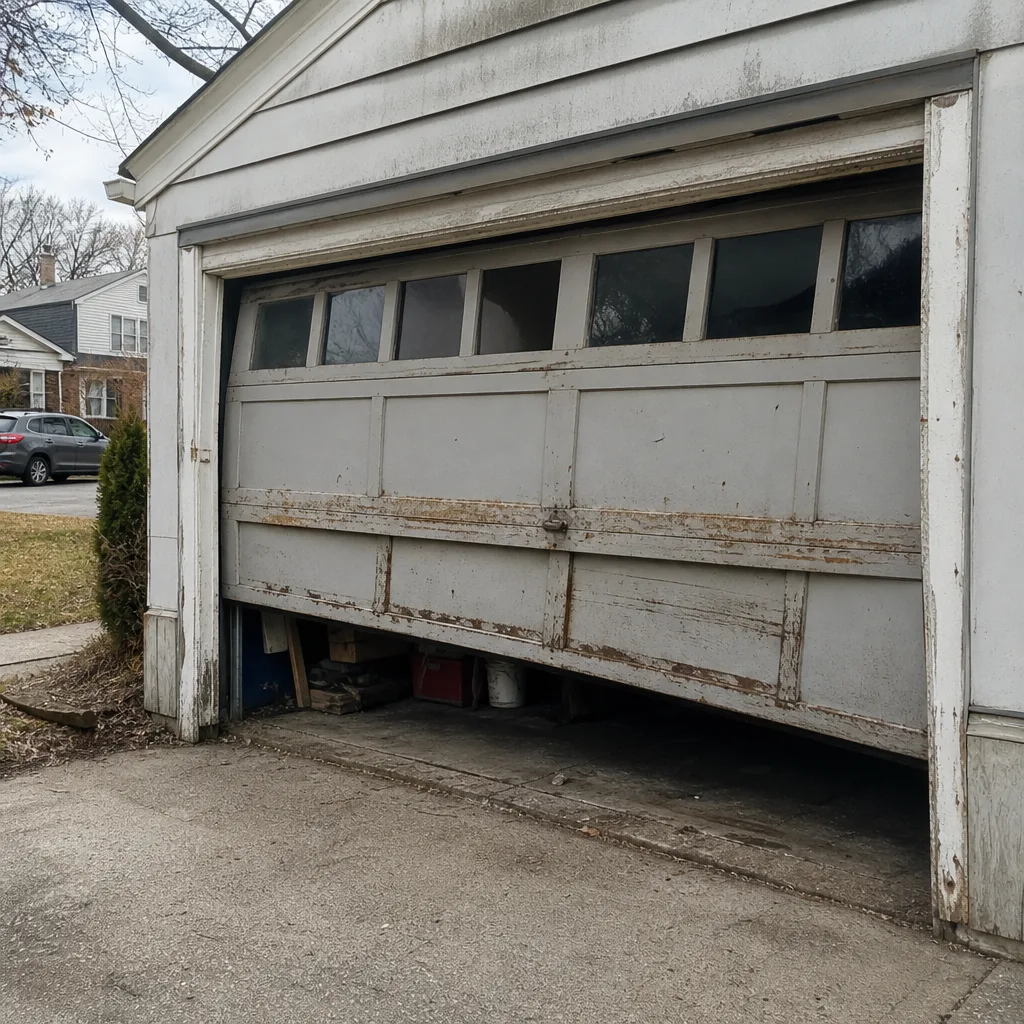 Before
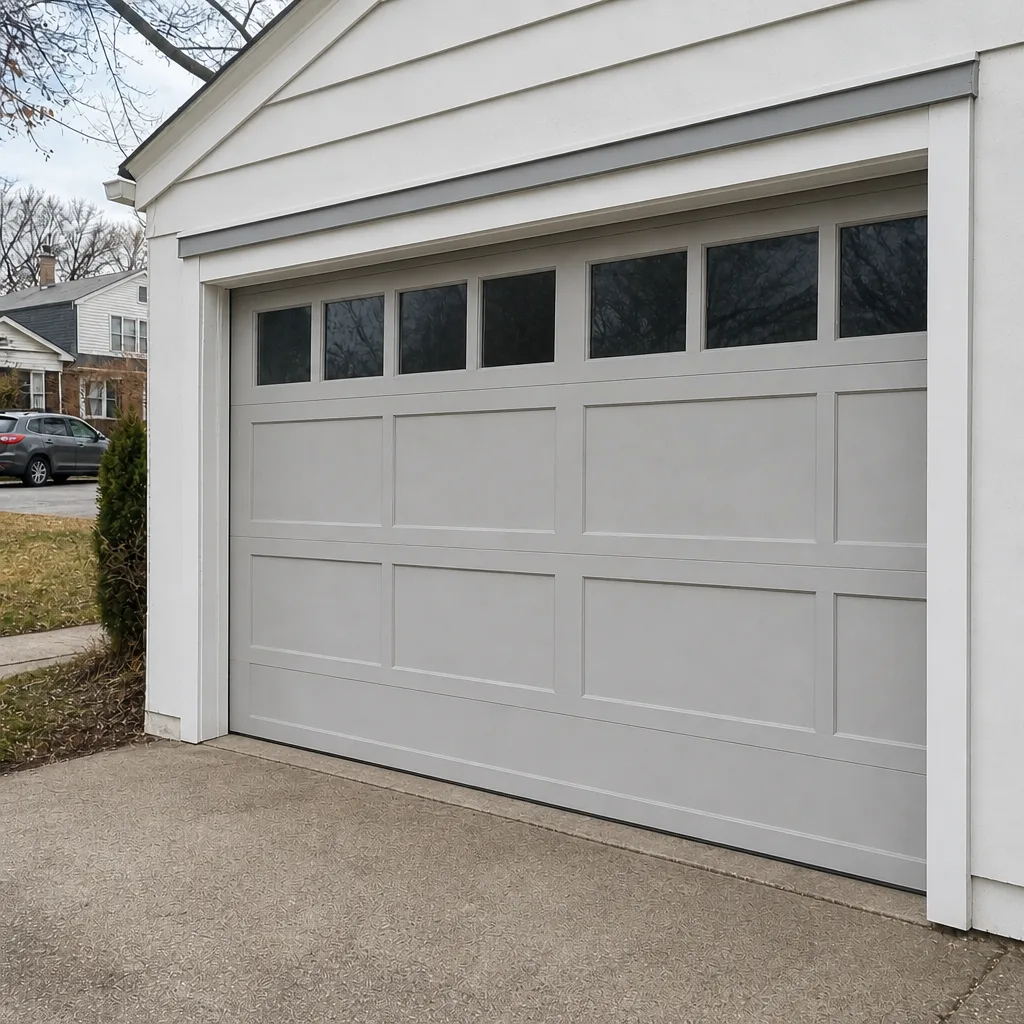 After
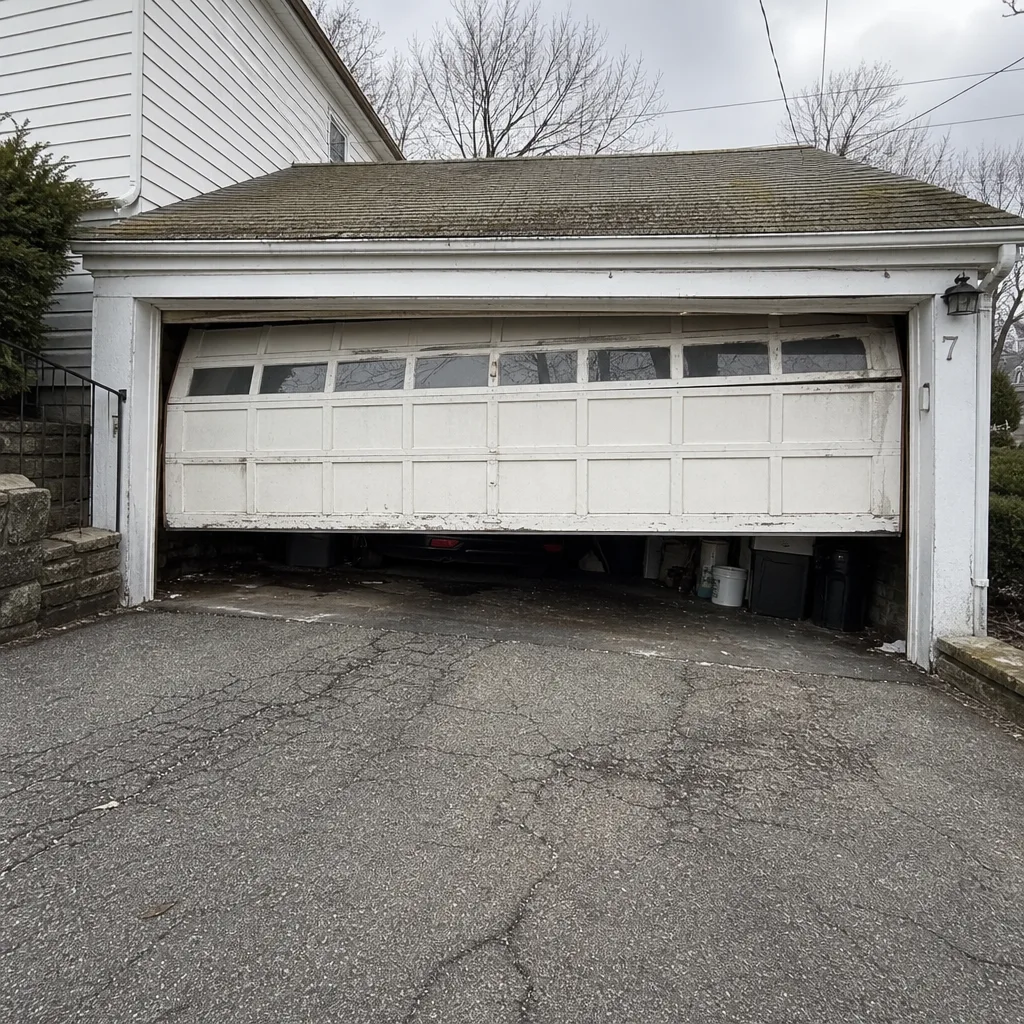 Before
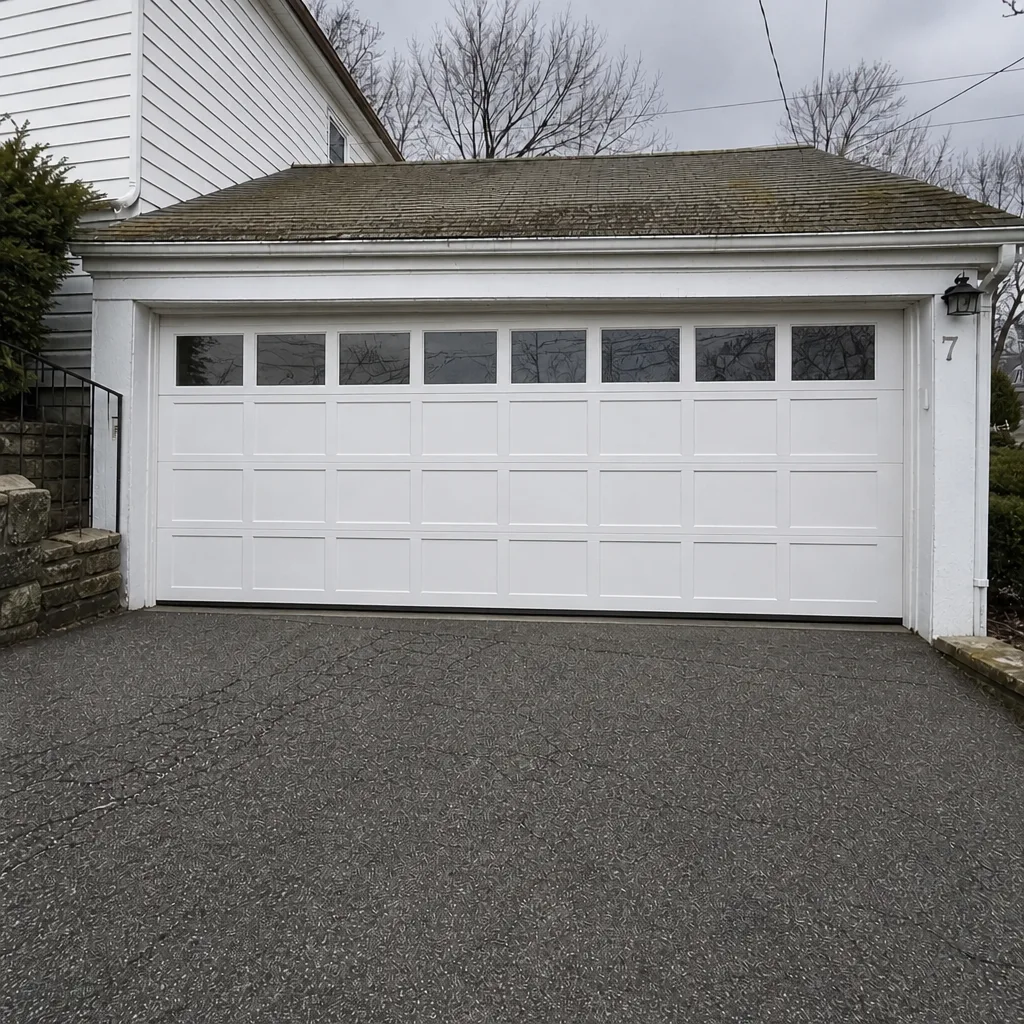 After
When to Call a Professional
Some garage door jobs are genuinely routine maintenance. A noisy roller, a sticking track, a remote that needs re-pairing – those don’t need a permit and often don’t need a specialist. The line is at the door itself and the opener system. If you’re replacing the door, changing the opener, dealing with a spring that’s snapped, or the door is hanging crooked or moving in a way it didn’t before, those are the calls that need a trained hand. Springs are the most dangerous component in your garage door system – they’re under extreme tension and a botched repair can cause serious injury – so that’s not a job for a general handyman, and it’s not a job for a homeowner with a YouTube video. If a door is stuck or a spring has failed and it’s not a tomorrow problem, we answer 24/7. If you’re planning a replacement, we’ll measure, quote, and sort out the permit before anything is ordered. Garage Door Repair White Plains offers free estimates in White Plains – call (844) 484-7501.
Frequently Asked Questions
Yes, in most cases. A full garage door replacement in White Plains requires a building permit from the city’s building department because it changes the structure of the opening. Like-for-like repair of an existing door – spring, cable, panel, or hardware – typically doesn’t. When in doubt, call the building department directly and confirm the scope. And call us at (844) 484-7501 for a free estimate on the work itself.
It can, depending on whether new electrical work is involved. A same-size opener swap using existing wiring usually does not require a separate permit. Installing a new opener where none existed, adding a dedicated circuit, or running new wiring does. Because it hinges on the electrical scope, the right move is to describe the job to the building department and ask. Our opener work covers Chamberlain, LiftMaster, Genie, and Craftsman systems, so we can advise on the specific installation before you file anything.
The New York State Uniform Fire Prevention and Building Code applies to the structural side of the installation and to the operator safety standard, UL 325. UL 325 requires a primary and secondary entrapment protection system – photo-eyes plus either a pressure-sensing reverse or a safety edge – on any opener installed today. White Plains enforces both through its building department during permit review and inspection. Call (844) 484-7501 if you want a quick check on whether your existing opener is compliant.
The buyer’s attorney will find the missing permit during the title and certificate of occupancy search, and the sale can be delayed or the buyer can ask for a credit. In many cases the seller has to get the work permitted retroactively, which is harder and more expensive than permitting it up front. The financial exposure usually isn’t a city fine – it’s lost negotiating leverage at closing. If you’re unsure whether a past job was permitted, call us and we can walk you through what the record should show.
For a standard residential replacement, plan on a few days to a couple of weeks for the permit review, then installation, then a final inspection. Jobs that involve structural changes or corrections to the existing opening take longer. Older White Plains homes sometimes reveal as-built conditions during the pre-inspection that require a revised drawing, so the honest answer is: sooner than a major renovation, later than “next week.” We’ll give you a realistic timeline on the estimate rather than promising a date we can’t hold.
Yes. We file the permit application as the contractor of record, submit the door specs and scope of work, schedule the inspections, and hand you the closed permit at the end. You don’t have to take a day off work or chase the building department. Call (844) 484-7501 and we’ll walk through what your specific job requires – the estimate is free, and the price is quoted and agreed before any work begins.
The Bottom Line
Garage door permits in White Plains aren’t red tape. They’re the difference between a door that closes clean and one that shows up as an open item at closing. Replacement, structural change, and new opener wiring need a permit; like-for-like repair usually doesn’t. UL 325 compliance on the operator is non-negotiable, and the inspection process is manageable when the contractor owns it. The cost of skipping the permit isn’t the fee – it’s the leverage you hand away at the worst possible moment. If you’re planning a replacement, a spring repair, or an opener change, call us at (844) 484-7501. We answer 24/7. Fast dispatch from 7am to 7pm, Sunday through Friday.
For general service on repair work, whether it’s a spring, a panel, or an opener, we handle it end to end – the same company that files the permit is the one that installs the door and closes the inspection. You can also see our broader Garage Door Repair White Plains service if you’re not sure which category your job falls into. Free estimates, written prices agreed before work starts, and brand-specific diagnostics on Genie, Clopay, Amarr, and Wayne Dalton systems.
Written by the team at Garage Door Repair White Plains.