
Last updated November 22, 2026
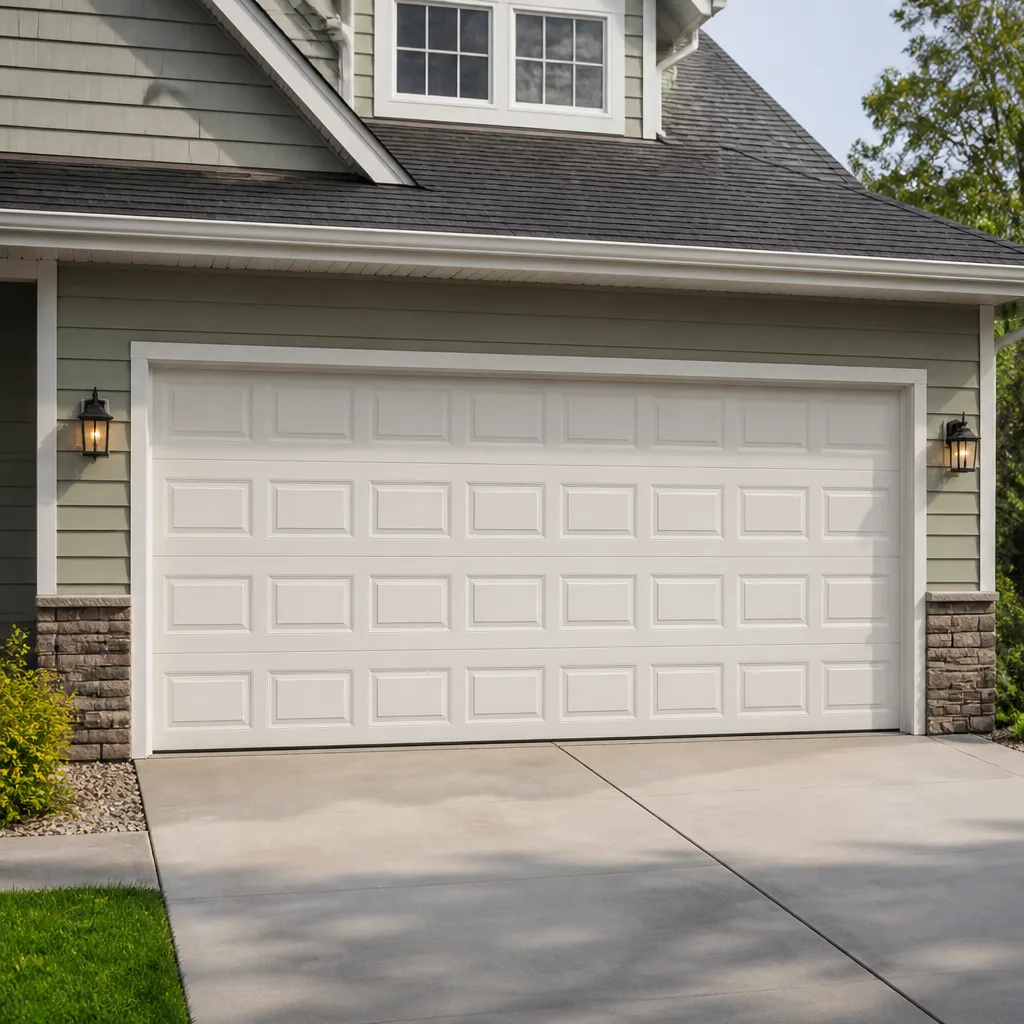 Raised-panel steel
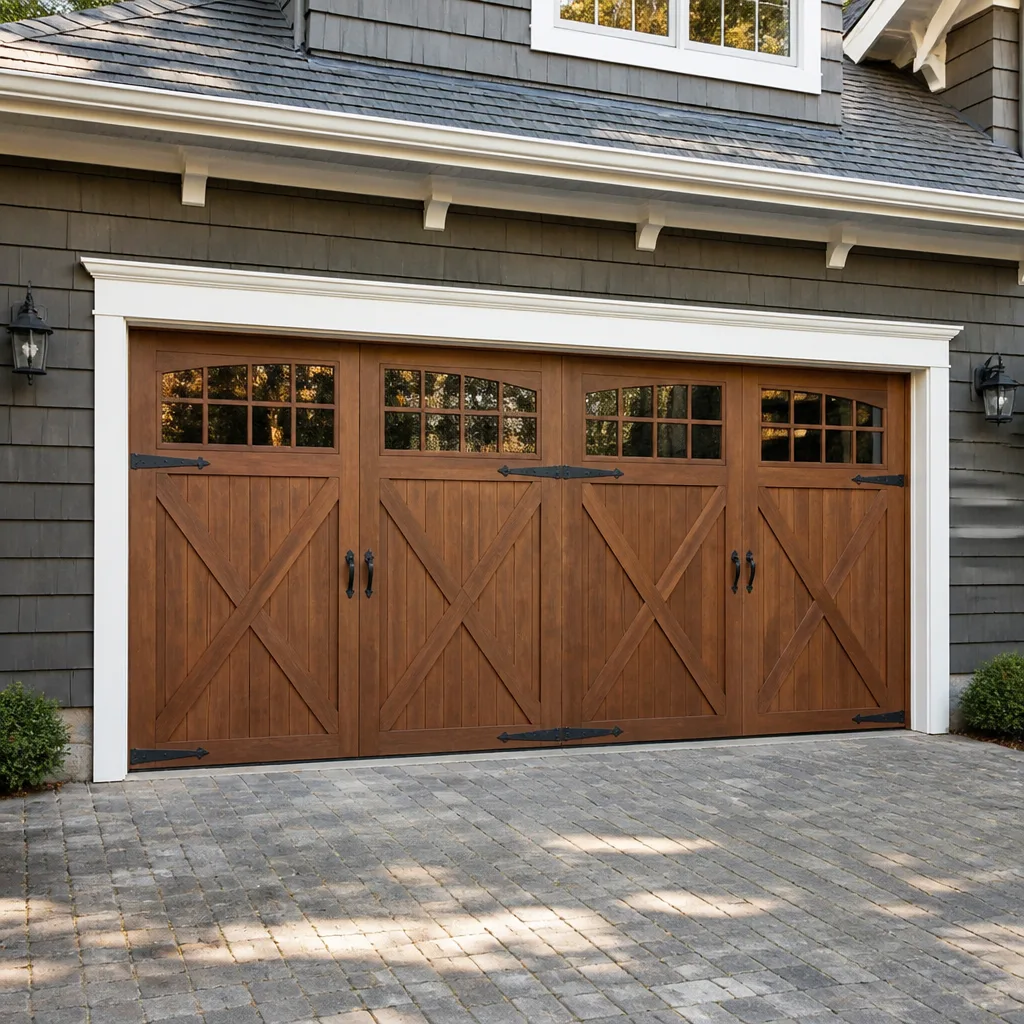 Carriage house
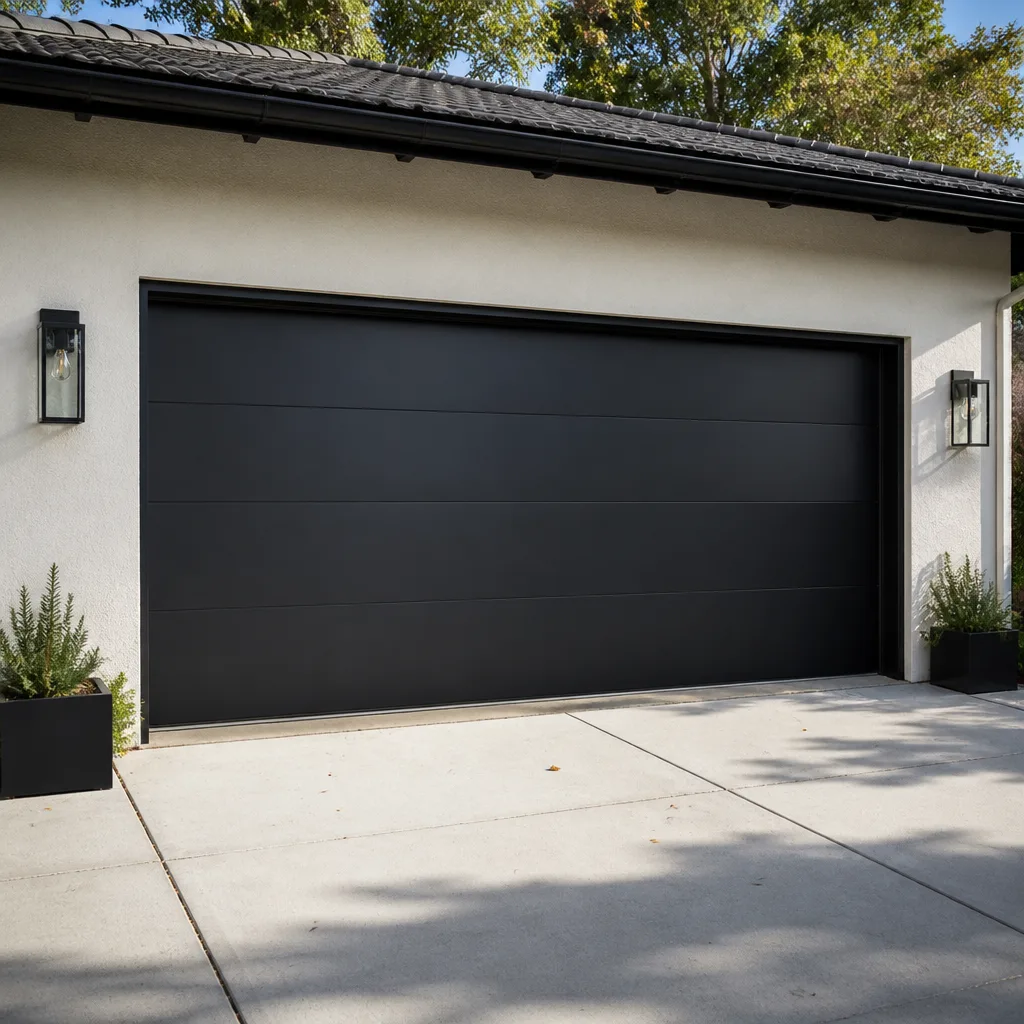 Modern flush
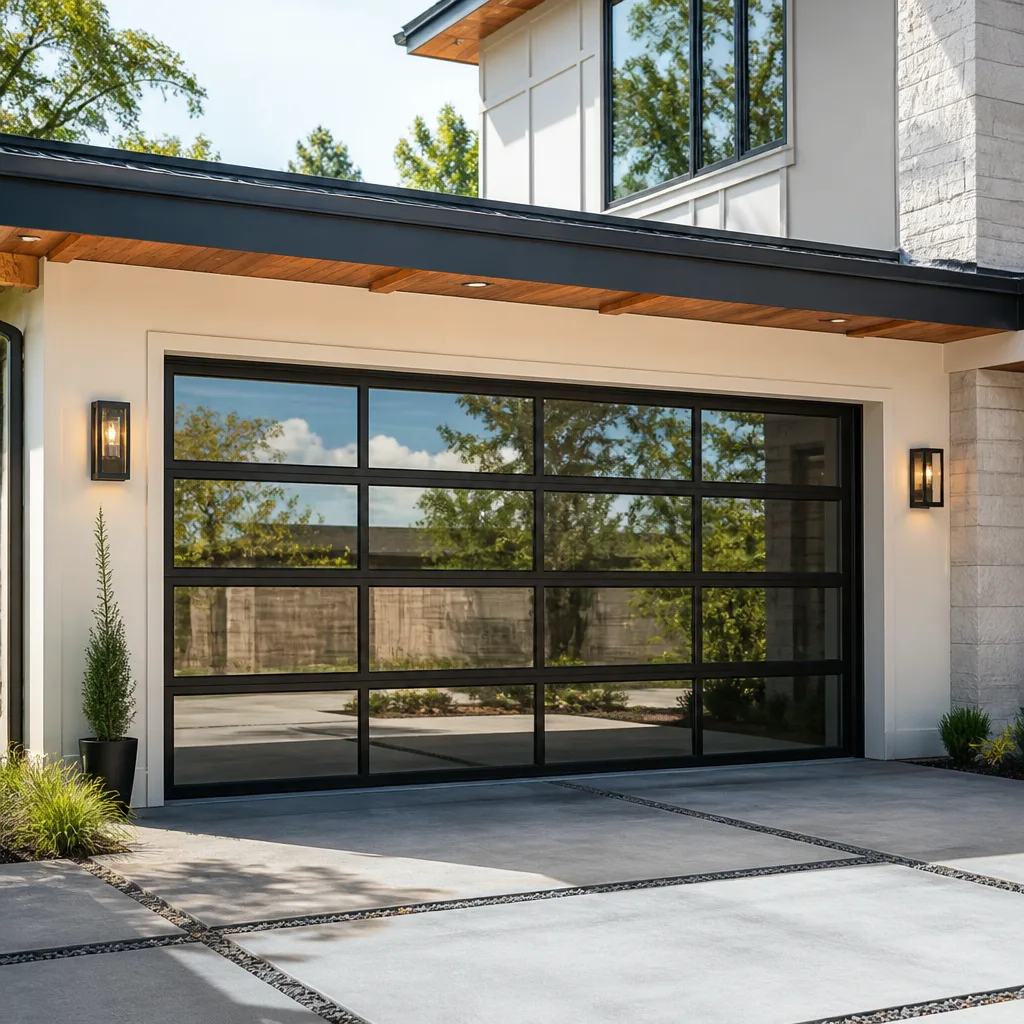 Full-view glass
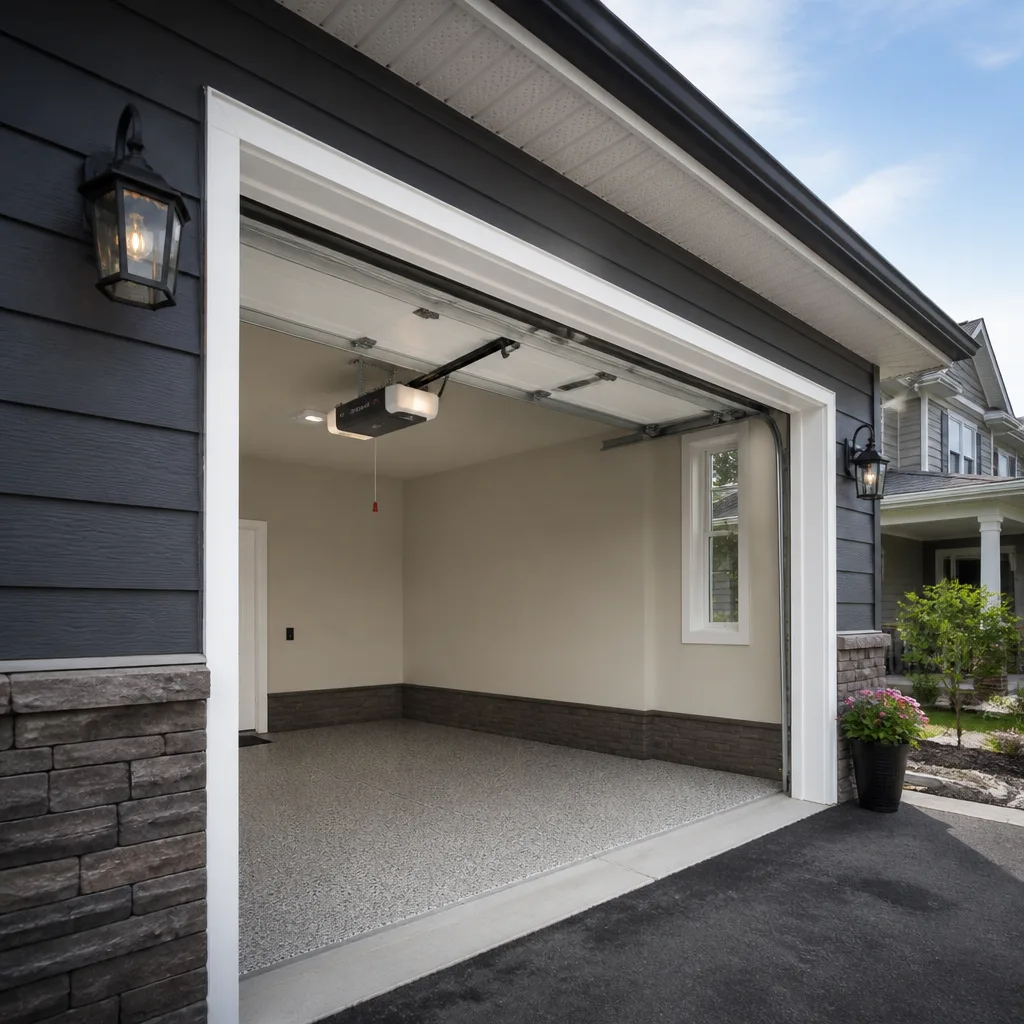 LiftMaster openers
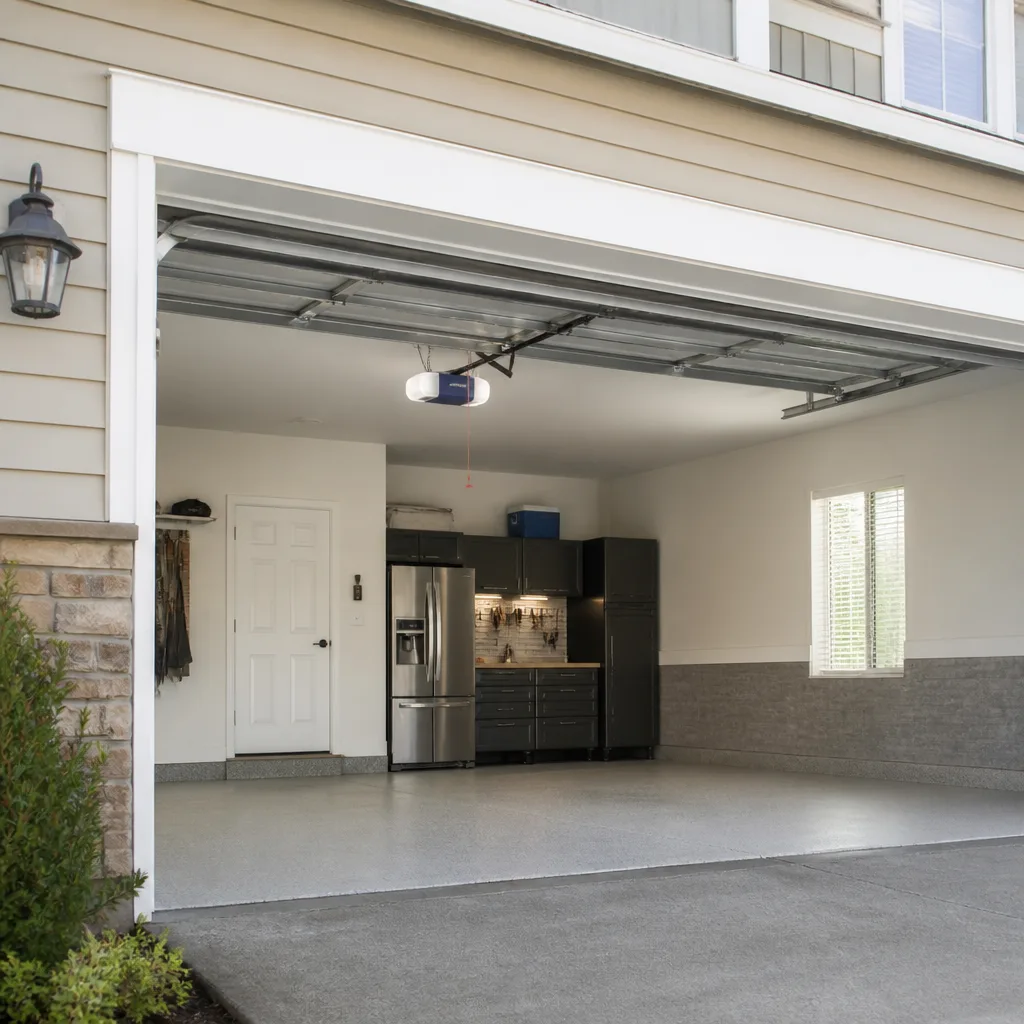 Chamberlain openers
Full 25-point door and opener safety check with every visit - springs, cables, rollers, tracks, and your LiftMaster or Chamberlain opener included
You get a price before we start. It does not change when the pro arrives.
Get your free estimateGarage Door Emergency Preparedness Guide for White Plains Homes
When a torsion spring snaps and your car is trapped inside the garage, most homeowners don’t realize there’s a manual release cord hanging from the opener trolley that lets them get the car out. Pulling it the wrong way, though, can leave the door hanging open and impossible to lock until a technician arrives. That single detail, plus a handful of others covered in this guide, separates a two-hour inconvenience from a night spent parked in the driveway watching the garage. We’re going to walk through how a garage door failure actually plays out in White Plains, what to do before and after, and how to prepare for one before it happens.
Quick Answer
Every White Plains homeowner should know three things before a garage door emergency hits: where the manual release cord is, how to disconnect and reconnect the opener safely, and how to wedge the door closed if it won’t fully close on its own. A garage door emergency in White Plains usually involves a broken spring, a snapped cable, or an opener that won’t respond, and knowing the right sequence of moves in the first five minutes protects both your car and the door from further damage. The rest of this guide explains each of those situations in detail, along with what to say when you call for help.
Styles & brands we work with
- Raised-panel steel
- Carriage house
- Modern flush
- Full-view glass
- LiftMaster openers
- Chamberlain openers
Table of Contents
- What Counts as a Garage Door Emergency
- How to Use the Manual Release Cord (and What Can Go Wrong)
- How to Secure a Garage Door That Won’t Close
- What to Tell an Emergency Technician When You Call
- Winter-Specific Emergencies in White Plains
- Power Failures, Opener Failures, and Other Emergencies
- The Two-Minute Pre-Emergency Setup for White Plains Homes
- Common Mistakes to Avoid
- When to Call a Professional
- Frequently Asked Questions
What Counts as a Garage Door Emergency
A garage door emergency is any failure that leaves your home exposed to weather or makes the door impossible to open, close, or secure. In White Plains, that description covers a wider range of situations than most people expect. It isn’t only a snapped spring at 11 p.m. on a January night. It’s also the door that closes halfway and reverses, the opener that hums without moving anything, and the cable that hangs loose along one side because the drums lost tension.
Here’s how we sort the calls that come in:
- Car trapped inside: usually a broken torsion spring, snapped cable, or dead opener motor. The door will not lift manually either because the spring tension is gone.
- Door will not close: safety sensors misaligned, a stuck limit switch, or a bent track. This is the one most likely to leave your home open overnight.
- Door hanging crooked: one side has lost cable tension. Do not run the opener. The door can come off the track entirely.
- Opener dead: a burned-out motor, stripped gear, or failed logic board. Often all you’ll hear is a click, or nothing.
- Weather intrusion: a bottom seal torn or frozen, letting snow and rain run under the door. In White Plains winters, this is the call that turns into a frozen floor and a damaged threshold within hours.
If any of those describes your situation, treat it as urgent and get a call in. We answer 24/7. Fast dispatch from 7am to 7pm, Sunday through Friday. A garage door emergency in White Plains rarely gets better on its own, and the longer a door sits half-broken the more likely the repair price grows.
How to Use the Manual Release Cord (and What Can Go Wrong)
The manual release cord disconnects the garage door from the opener so you can lift it by hand. It’s a red handle on a short rope hanging from the trolley that rides along the opener rail. Pulling it is correct and often necessary. Pulling it on a door with a broken spring, though, is where things get dangerous, because a door whose springs have failed weighs far more than a person can lift, and forcing it can pull the door off its track.
Here’s the correct sequence, in the order that protects you:
- Check the springs first. Look at the torsion spring above the door or the extension springs along the tracks. If either looks broken (a visible gap in a torsion spring or a dangling extension spring), do not pull the release cord to open the door by hand. The door is unsupported and can drop.
- Only pull the release if the springs are intact. With the door closed and the opener off, pull the handle straight down until the trolley clicks and releases.
- Lift slowly. A properly balanced door lifts with light pressure. If it feels heavy or binds on one side, stop and let it back down. Something else is wrong.
- To reengage after power returns: close the door fully, then run the opener. The trolley reconnects automatically on most LiftMaster and Chamberlain openers when the door hits the closed position and the opener cycles. If it doesn’t catch, cycle the opener once more with the door in the closed position.
- If the door won’t reengage: do not force it. The track, trolley, or limit setting needs adjusting, and that’s a job for the garage door opener repair side of the trade.
One more thing. If your car is inside and the springs are broken, don’t try to lift the door to drive out. The safer move is to call and let a technician take the tension off the remaining spring or safely raise the door by hand with the right equipment. Springs are the most dangerous component in a garage door system, and we handle them with the right tools and technique every time.
How to Secure a Garage Door That Won’t Close
A door that won’t close leaves your home open to weather and people. The goal in that moment is to get a physical barrier in place that holds overnight without causing more damage to the door. Most of the quick fixes people try online create a false sense of security rather than a real one. Here’s what actually works:
- Vice grips on the track above a roller: clamp a pair of locking pliers onto the vertical track just above one of the door’s rollers so the door physically cannot be raised further. This works well for a door stuck partly open.
- Wedges under the bottom panel: if the door is fully down but not latched, tap a couple of rubber wedges or folded cardboard under the bottom corners. It won’t lock the door, but it stops casual lifting.
- C-clamp on the track: similar to vice grips, a C-clamp tightened on the track above a roller is a strong barrier.
What doesn’t work: bracing the door with a chair, using a broom handle against the panel, or relying on the opener to hold the door in a halfway position. The opener was never designed to hold a door that’s lost its tension, and if a spring is broken the door could drop the moment the opener gives way. Also skip the trick of disconnecting the opener and trusting the door to stay put. A door with a failed spring will not stay in place, and it’s a genuine injury risk.
If the door is fully down and latched and your concern is the gap at the bottom, a folded towel across the threshold will hold back drafts and light snow for a night. For anything more significant, call garage door repair. We answer 24/7, and a call outside dispatch hours is booked into the next opening, Sunday through Friday, 7am to 7pm.
What to Tell an Emergency Technician When You Call
The right first-call details get you an accurate arrival window and make sure the technician arrives with the right parts. Vague calls (“my garage door is broken”) often end in a second trip for a part, which adds hours. Give the dispatcher this information in the first three minutes:
- The door’s current position. Fully open, fully closed, hanging crooked, or partway up and stuck.
- What you heard or saw when it failed. A loud bang points to a spring. A snap points to a cable. Silence plus a dead opener points to the motor or logic board.
- Spring type and count. Look above the door: do you see one or two torsion springs mounted horizontally, or extension springs running along the tracks on each side? A matched pair replacement is common, and knowing this helps the technician bring the right pair.
- The opener brand. A quick look at the unit’s label tells you. We’re trained on LiftMaster, Chamberlain, Genie, Clopay, Amarr, Wayne Dalton, Craftsman, and Raynor, so brand-specific diagnostics are part of the visit rather than a guess.
- Whether a car is trapped. This changes the priority. It also tells us whether you’ll need the door raised safely at the end of the visit or just repaired in place.
- Your exact address and cross street. In White Plains, knowing whether you’re off Mamaroneck Avenue, near the Highlands, or up toward Gedney Farms helps us set a realistic arrival window.
Have your phone nearby and expect to send a photo of the spring or opener if asked. A photo saves a follow-up question and often narrows the diagnosis before the technician leaves the truck. Call (844) 484-7501. We answer 24/7. Fast dispatch from 7am to 7pm, Sunday through Friday.
Winter-Specific Emergencies in White Plains
White Plains winters produce a specific set of garage door failures you don’t see in milder climates. Ice and freeze-thaw cycling along the bottom seal, cable brittleness from cold, and the temptation to force an ice-bound door all shorten the life of a system that’s otherwise fine nine months of the year. What looks like a random breakdown is often the result of two or three freeze cycles in a row.
The three most common winter emergencies in White Plains:
- Frozen bottom seal. Snowmelt runs under the door, then refreezes overnight and glues the door to the threshold. Running the opener against a frozen seal can strip the opener gear or pop the door off the track. If the door doesn’t lift on the first try, stop, and warm the seal area with a hair dryer on low before trying again.
- Cable snap from cold brittleness. Steel cables are strong but they don’t like repeated freeze-thaw cycles combined with the normal stress of daily use. A snapped cable usually announces itself with a loud snap and a door that hangs crooked. Stop running the opener immediately.
- Ice-bound door that won’t move. Don’t force it. Chipping ice with a metal tool can scratch the panel or damage the seal. If the door won’t lift after a minute of gentle opener pressure, stop and treat it as frozen, not broken.
Before the first real freeze, spray silicone lubricant on the bottom seal and wipe the seal dry. It’s a small step that prevents the frozen-seal failure most White Plains homeowners hit in January. For anything that’s already snapped or stuck, we handle garage door spring repair and cable work as a core specialty, not an afterthought. Springs and cables are the two parts of a garage door that can hurt you if handled wrong, which is exactly why we treat them as our specialty rather than a side job.
Power Failures, Opener Failures, and Other Emergencies
Not every garage door emergency is mechanical. Power outages, failed openers, and locked-out remotes all qualify, and they tend to hit at the worst times. A few of these have quick fixes. Others need a technician, and knowing which is which saves you a wasted call.
Power out: pull the manual release cord (with the door closed and springs intact, as covered above) and lift the door by hand. On a modern LiftMaster or Chamberlain opener, the battery backup on some models will keep the door moving even without house power. Check the unit for a battery icon.
Opener hums but nothing moves: usually a stripped drive gear or a broken torsion spring. If the springs are intact and the opener still hums without lifting, the opener itself is the problem. If the springs are broken, the opener is fine and the door needs spring work.
Remote or wall button doesn’t respond: check the wall outlet the opener plugs into, then replace the remote battery. If two different remotes both fail, the logic board or the safety sensor alignment is the likely cause. Getting the opener diagnostics right is where brand familiarity matters, and we work on the opener side of the business as much as the door side.
Door reverses immediately on closing: safety sensors knocked out of alignment. Look at the two small lenses at the bottom of each track. If one has an LED that’s off or flickering, it needs realigning. This is also the most common reason a door “won’t close” in White Plains after a storm has shifted something along the track.
If any of those situations leaves you unable to close and secure the door, call (844) 484-7501. We answer 24/7, and same-day service is standard when the door itself is the problem.
The Two-Minute Pre-Emergency Setup for White Plains Homes
Two minutes of setup now saves you an hour of scrambling when a spring snaps at 11 p.m. in January. We’ve seen what happens when homeowners have planned ahead versus when they haven’t, and the difference is consistently the amount of damage the door takes before a technician arrives. Do these five things before you need them:
- Locate the manual release cord now. It’s a red handle hanging from the trolley on the opener rail. Stand under it, touch it, and show every adult in the house where it is. If it’s tangled up in the rail or missing, get it sorted before you need it. This is also the single most useful thing to teach a teenager who drives.
- Write the emergency number on the wall beside the opener. Not in a phone, not on a fridge magnet that gets buried. A piece of tape with (844) 484-7501 on the wall above the wall button means you’re not searching for a number with a flashlight in a cold garage.
- Note the opener brand and model. Look at the label on the back of the unit. LiftMaster, Chamberlain, Genie, and Craftsman are the four brands we see most often in White Plains homes, and knowing yours means the first call gets straight to the diagnosis.
- Check the springs visually once a season. Above the door for torsion springs, along the tracks for extension springs. Look for a gap in the torsion spring coil or a sagging extension spring. Catching a failing spring before it snaps usually means a scheduled repair instead of an emergency one.
- Test the door balance. Disconnect the opener, lift the door to waist height, and let go. A balanced door stays put. A door that drifts down is telling you the springs are losing tension. Reconnect the opener and note the drift. It’s a warning sign worth acting on before winter.
None of this prevents every failure. Springs fail on their own schedule. But it turns a 20-minute scramble into a two-minute phone call, and on a cold night in White Plains that’s worth a lot. For scheduled garage door repair before the problem gets worse, we’re glad to book a visit.
Common Mistakes to Avoid
- Forcing a door that’s stiff or frozen. In White Plains winters, a door that doesn’t lift on the first try is usually ice-bound at the seal, not broken. Running the opener against it strips gears and can pop rollers out of the track.
- Pulling the release cord on a door with a broken spring. The door is unsupported and can drop on whoever is standing under it. Check the springs before you pull the cord.
- Lifting the door with a broken spring to get the car out. A door that weighs 150 to 200 pounds without spring tension can come off the track entirely. It also can’t be safely gotten back into place without a technician.
- Trusting the opener to hold a door that’s half-broken. The opener isn’t a lock. If the spring is gone, the door can drop the moment the opener reverses.
- Fixing a snapped torsion spring with hardware-store parts. Torsion springs are under extreme tension and are the most dangerous component in the system. Improvised fixes are how people get seriously hurt.
- Waiting until the door is completely stuck before calling. In White Plains, a door that closes a little slowly in November is one that fails in January. Early spring repair is a scheduled visit, not an emergency call.
- Calling a generalist handyman for a spring job. Springs, cables, and openers are their own trade. A generalist guessing at a LiftMaster or Genie opener tends to cost more in the end than calling a specialist first.
When to Call a Professional
Call a professional when the door won’t close and you need it secured tonight, when a spring or cable has failed, when the door hangs crooked or comes off one side of the track, when the opener hums without moving the door, or when you can’t safely reengage the trolley after using the release cord. Also call when the door is balanced but noisy, binding, or reversing unexpectedly. Those are warning signs that tend to escalate. For anyone in White Plains who isn’t sure whether a situation counts as an emergency, it’s worth a five-minute call. Garage Door Repair White Plains offers free estimates in White Plains. Call (844) 484-7501. We answer 24/7, and same-day service handles most repairs that need it. Every price is quoted and agreed before any work starts, so you know the number before the technician picks up a tool. For garage door repair White Plains calls that can’t wait, we’re set up to handle the emergency side of the trade alongside the scheduled work.
Frequently Asked Questions
Don’t try to lift the door. A door with a snapped spring is unsupported and can drop on anyone standing under it. Check that the car isn’t trapped, then call (844) 484-7501. We answer 24/7, and a tech can talk you through what to do with the door until help arrives.
Yes, as long as the springs are intact. Pull the manual release cord hanging from the trolley, then lift the door slowly. If it feels heavy or binds, stop and let it back down. A dead opener with good springs is fine to open manually.
Clamp a pair of locking pliers or a C-clamp on the vertical track just above a roller so the door can’t be raised further. If the door is fully down but unlatched, tap a couple of rubber wedges under the bottom corners. For a door that’s stuck open, call and get booked for repair rather than trying to force it.
It is if the door needs to close for weather or security, or if a car is trapped. A snapped spring leaves the door unsupported, and the door can’t be opened or safely closed without professional help. Call (844) 484-7501 to get on the schedule.
Yes. Our technicians are trained on LiftMaster, Chamberlain, Genie, Clopay, Amarr, Wayne Dalton, Craftsman, and Raynor systems, from older chain-drive openers to Wi-Fi-connected smart openers. Brand-specific diagnostics mean we’re not guessing at your unit’s quirks.
No. The price is set per job by the written estimate, and the estimate is free. Call (844) 484-7501. We answer 24/7, and a call outside dispatch hours is booked into the next opening, Sunday through Friday, 7am to 7pm. The quote you agree to is the price.
The Bottom Line
A garage door emergency in White Plains is a security and weather problem at the same time. The homeowner who’s already located the manual release cord, knows the opener brand, and has the emergency number taped to the wall beside the opener handles a midnight spring snap in two phone calls and one visit. The homeowner who hasn’t does the scramble, makes a couple of wrong assumptions, and often ends up with a larger repair than the original failure would have required. Walk out to your garage tonight, find the release cord, check the springs, and write down (844) 484-7501. Two minutes now, and you’ll be ready when the season turns.
Written by the team at Garage Door Repair White Plains.
See the difference
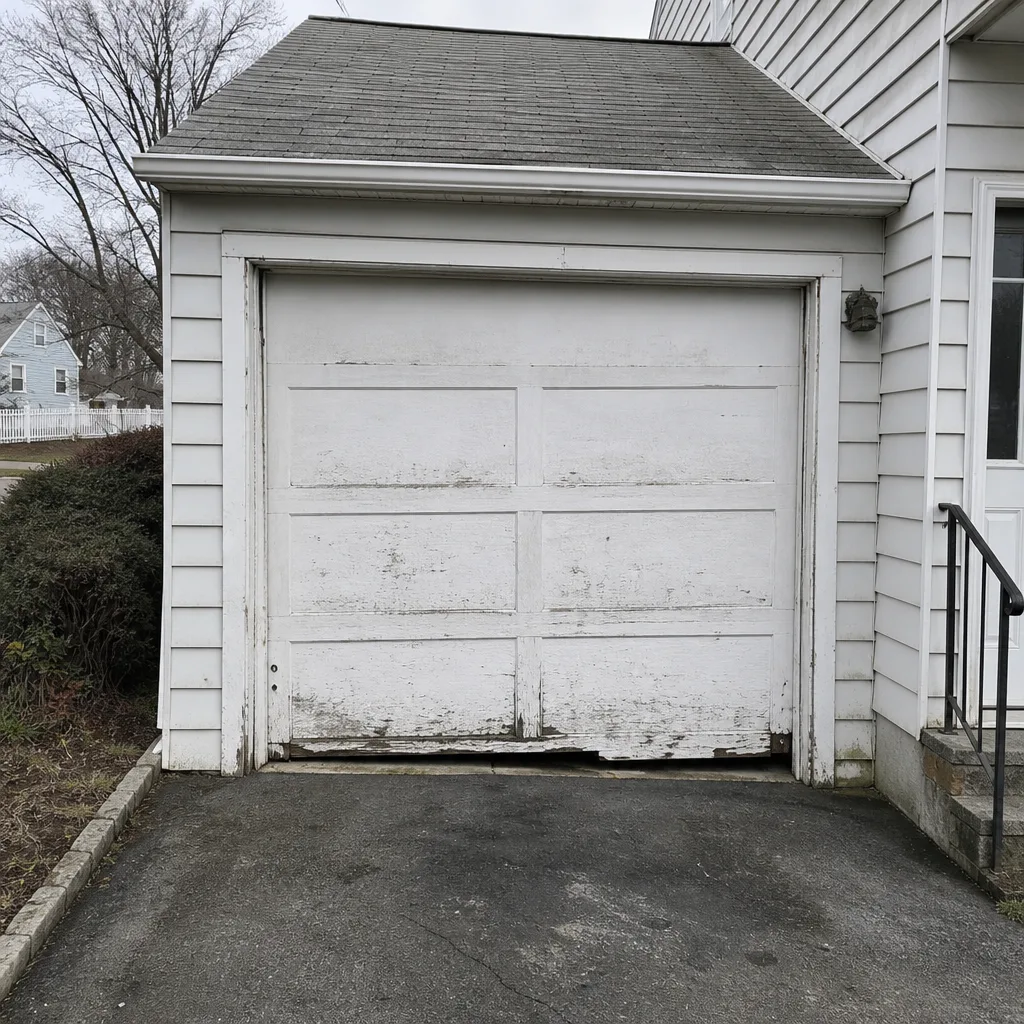 Before
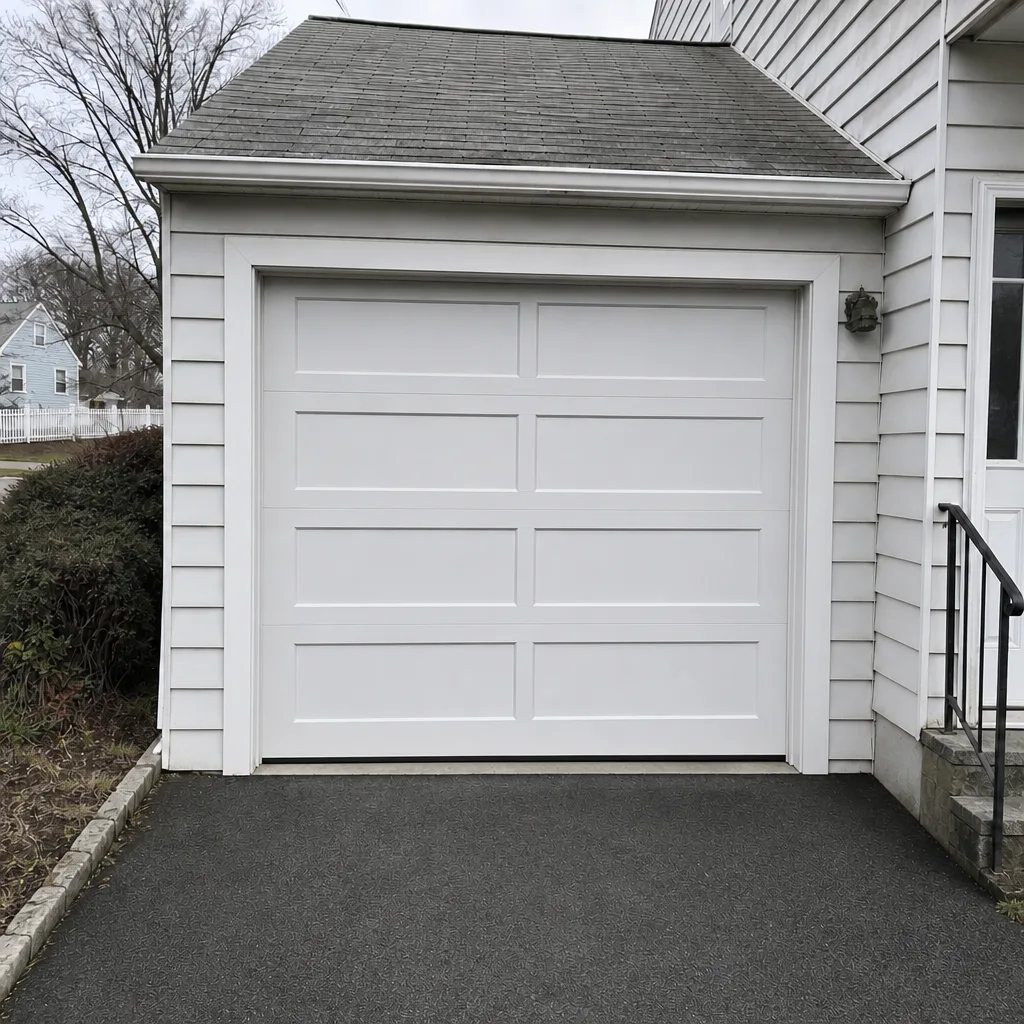 After
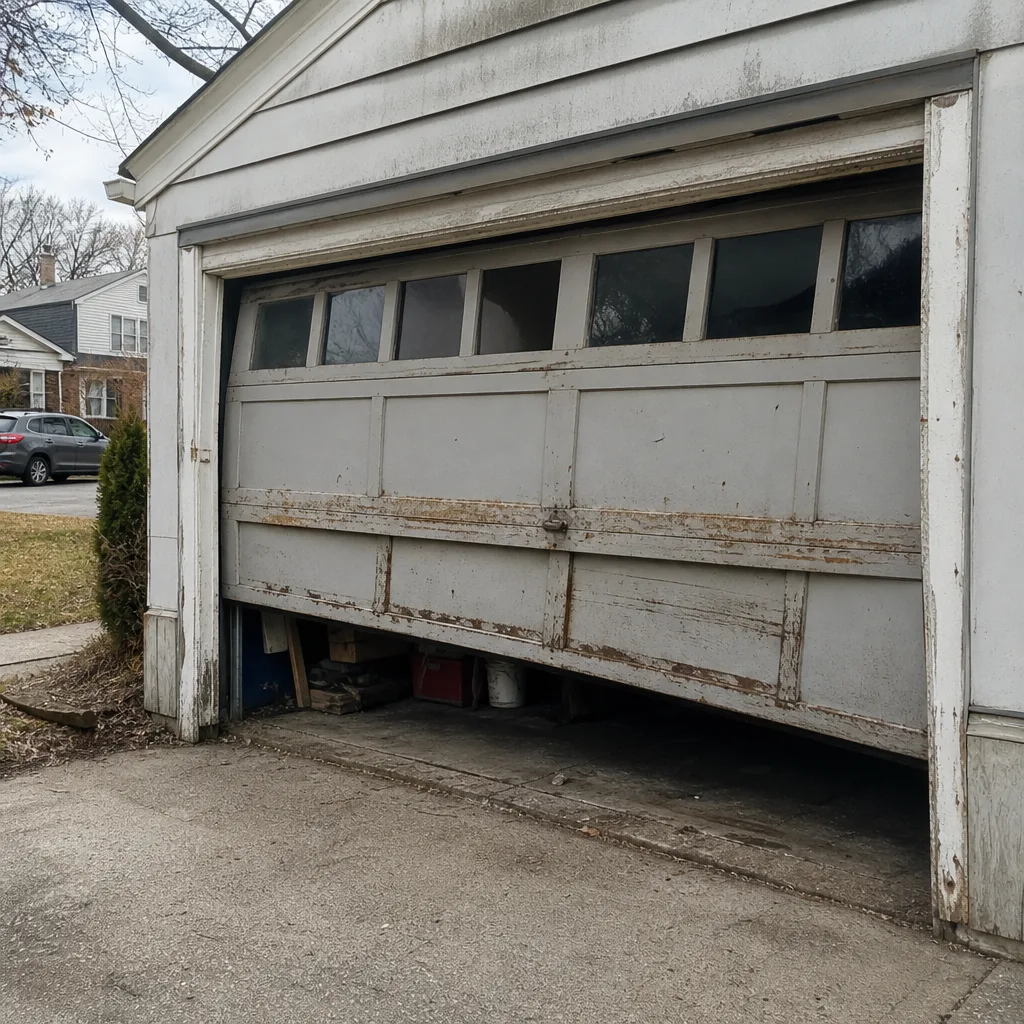 Before
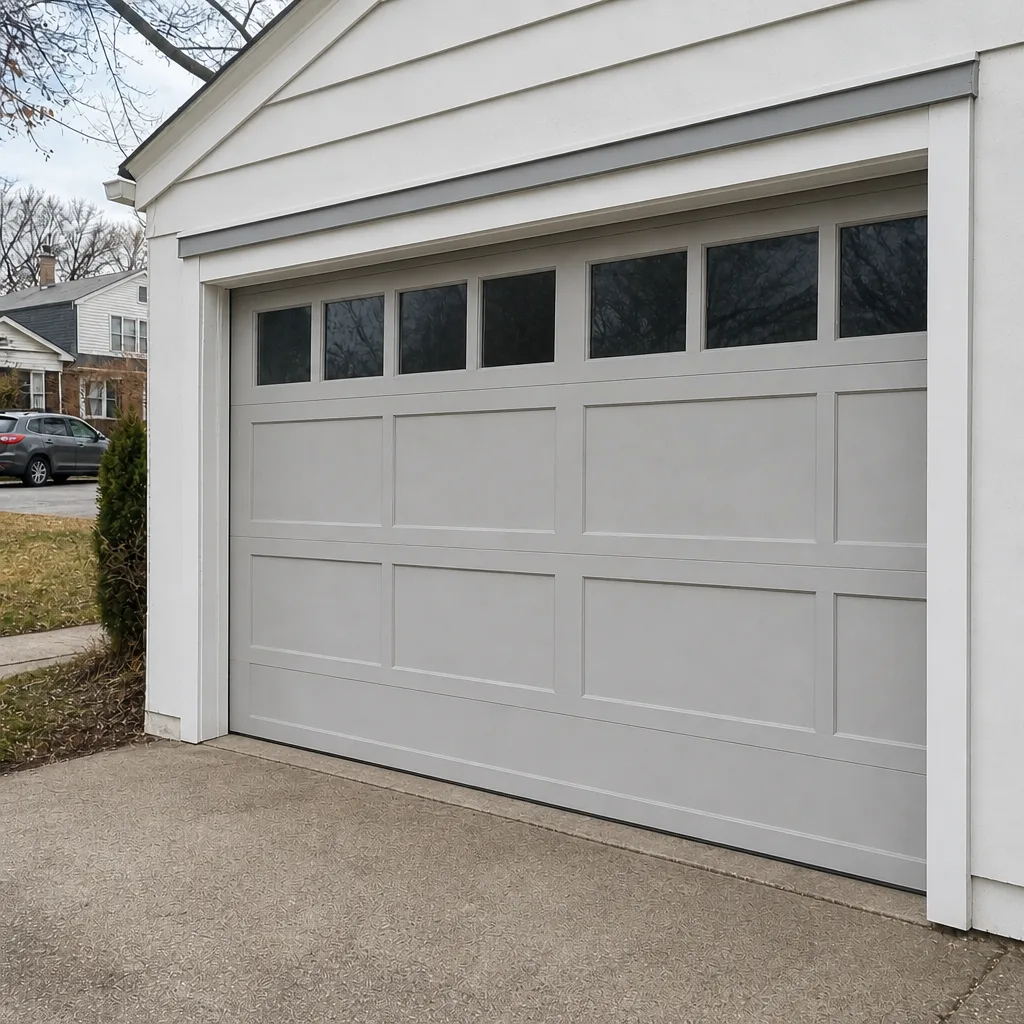 After
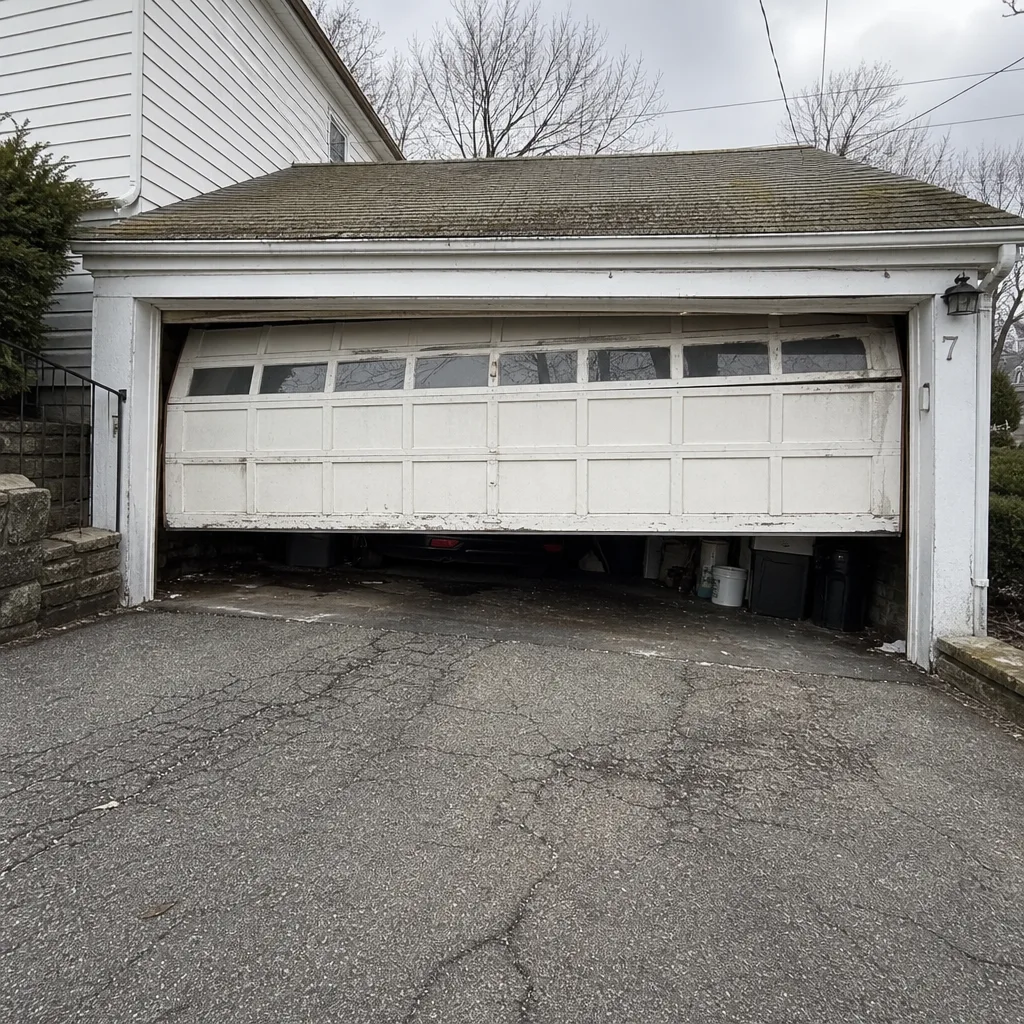 Before
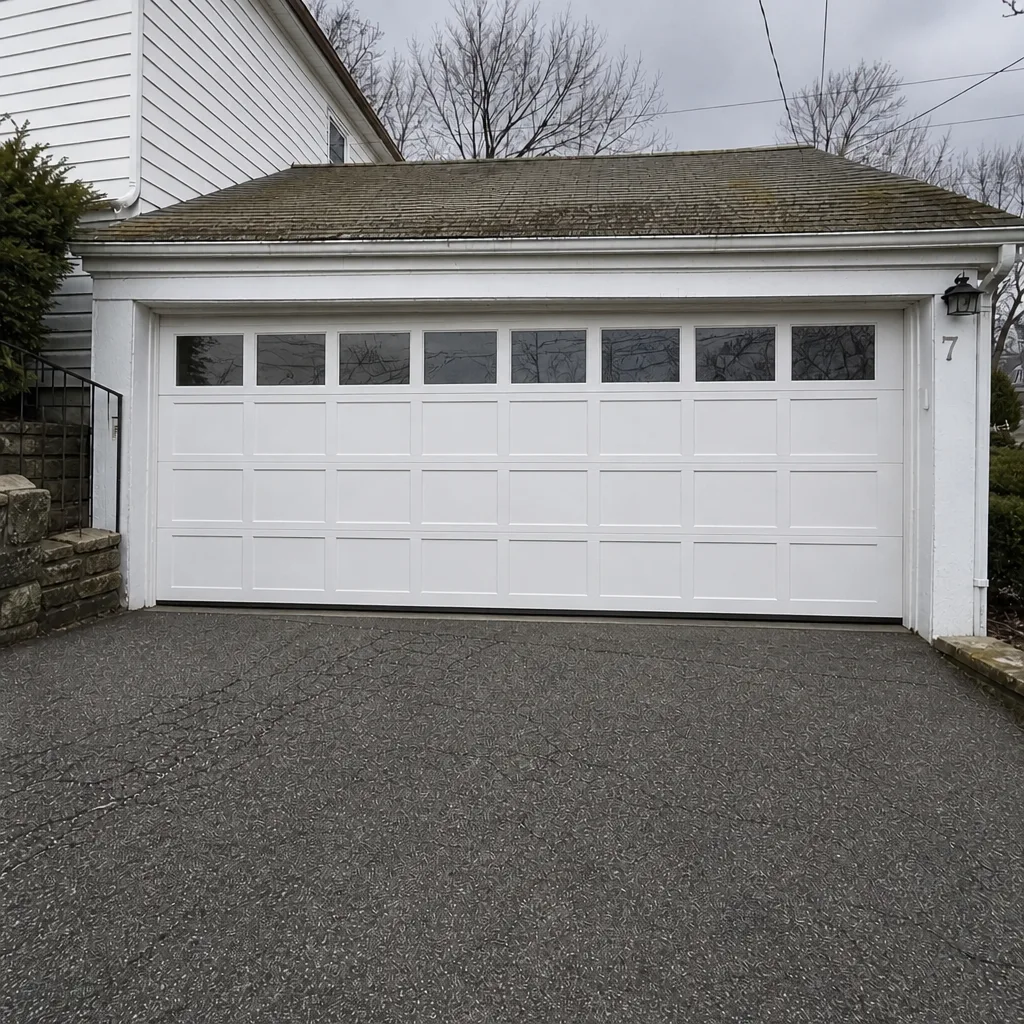 After